Payroll Audits by a Certified Payroll Professional
Why Certified Payroll Professionals Save Companies Money on Audits

Dr. Isabella Mae Niznik, MBA, CPS, SHRM-CP
US Payroll & Tax Manager
IMN Storyworks LLC
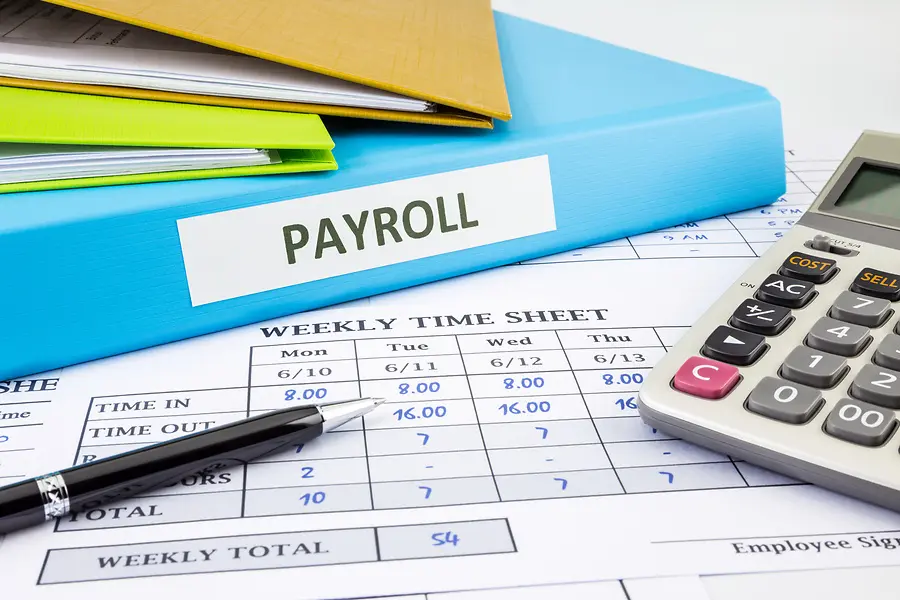
Having a Certified Payroll Professional (CPP) handle payroll audits instead of a non-payroll professional can lead to significant cost savings. Here's why:
Reduced Risk of Costly Errors
- Payroll audits involve complex calculations, tax regulations, and compliance issues. A CPP is trained to identify and correct discrepancies accurately, reducing the risk of overpayments, underpayments, and costly penalties.
- A non-payroll professional may overlook key payroll compliance requirements, leading to financial liabilities.
Avoidance of Penalties and Fines
- Certified professionals understand IRS regulations, labor laws, and wage requirements, helping companies avoid fines due to misclassification of employees, incorrect tax filings, or late submissions.
- Incorrect payroll tax filings or misreporting can result in audits and penalties from the IRS, Department of Labor, and state agencies.
Time Efficiency
- A CPP can efficiently handle payroll audits, using their expertise to streamline processes, reducing the number of hours spent on investigations and corrections.
- A non-expert may take significantly longer to understand payroll data, leading to wasted time and increased labor costs.
Prevention of Fraud and Financial Losses
- Payroll fraud is a common issue that can lead to significant financial losses. A CPP is trained to detect and prevent fraud, ensuring internal controls are in place.
- Non-payroll professionals may not recognize red flags in payroll processing, increasing the risk of fraudulent activities.
Improved Compliance with Labor Laws
- Certified payroll professionals stay updated on changing labor laws, wage and hour regulations, and employee classification rules.
- Non-experts may unknowingly violate labor laws, leading to employee disputes, lawsuits, or back-pay settlements.
Efficient Use of Payroll Software and Technology
- CPPs are well-versed in payroll software and reporting tools, optimizing data processing and reducing manual errors.
- A non-payroll professional may struggle with software, leading to inefficiencies and potential data inaccuracies.
Minimized Disruptions to Business Operations
- Payroll audits can be complex, but a trained professional can handle them with minimal disruption, allowing business operations to continue smoothly.
- If a non-expert handles payroll audits, other departments may need to step in to correct mistakes, leading to lost productivity and operational inefficiencies.
Employee Satisfaction and Retention
- Accurate payroll processing ensures employees are paid correctly and on time, improving morale and reducing turnover.
- Errors in payroll audits handled by non-experts can result in disgruntled employees and potential legal claims.
Strategic Payroll Cost Management
- A CPP can analyze payroll data to identify cost-saving opportunities, such as optimizing tax credits, benefits, and overtime expenses.
- Non-experts may lack the strategic knowledge to identify payroll inefficiencies that impact profitability.
Conclusion:
Hiring a Certified Payroll Professional for payroll audits ensures accuracy, compliance, efficiency, and cost savings. The risks associated with using a non-payroll professional—including penalties, legal issues, inefficiencies, and errors—can be far more costly than investing in a qualified payroll expert.


