Payroll Management Best Practices
Master the essentials of payroll processing, compliance, and employee management for business success.

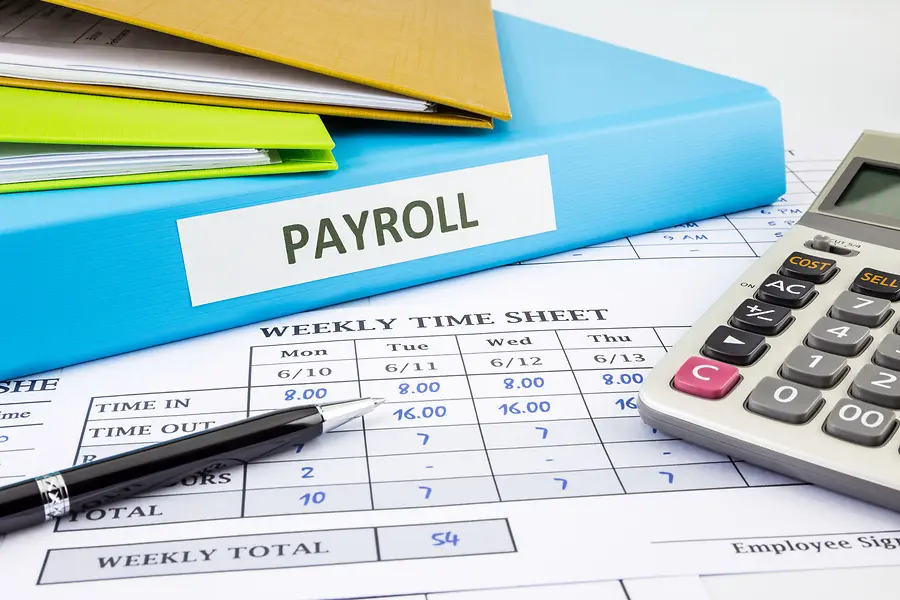
Understanding Payroll: A Guide to Efficient Management and Best Practices
Payroll is a critical function for every business, regardless of size or industry. It is more than just processing employee payments—it involves ensuring legal compliance, managing taxes, tracking working hours, and maintaining accurate financial records. An efficient payroll system is not only essential for the smooth operation of a business but also for building trust and satisfaction among employees.
What Is Payroll?
Payroll refers to the process of compensating employees for their work. It includes calculating wages, salaries, bonuses, and deductions (such as taxes and benefits) and ensuring that payments are made on time. Payroll also involves maintaining records of employees' work hours, calculating overtime, managing benefits, and complying with various tax laws.
Key Components of Payroll
- Employee Compensation: This includes salaries, wages, bonuses, and commissions. The amount employees are paid is determined by their role, the company's compensation policies, and sometimes negotiated contracts.
- Deductions: Deductions are amounts taken from an employee's gross pay. These can be mandatory (taxes, Social Security, health insurance premiums) or voluntary (retirement contributions, union dues, charitable donations).
- Net Pay: Net pay is the amount an employee takes home after deductions. It is the final paycheck amount.
- Taxes: Businesses must withhold income tax, Social Security, and Medicare contributions from employees' wages and remit these to the appropriate government authorities. Employers also contribute their share of taxes.
- Benefits: Payroll also involves tracking and managing employee benefits such as health insurance, retirement contributions, paid time off (PTO), and sick leave.
- Record-Keeping: Keeping accurate records of hours worked, wages paid, deductions, and tax information is critical for legal compliance and smooth operations.
Types of Payroll Systems
There are different ways to manage payroll, depending on the size of the business and the complexity of its workforce:
- Manual Payroll: This traditional approach involves calculating wages and deductions by hand. While cost-effective for small businesses, manual payroll is time-consuming and prone to human error.
- Payroll Software: Many businesses use specialized software to automate payroll processes. These programs simplify calculations, tax filing, and reporting. Popular options include QuickBooks, ADP, Gusto, and Paychex.
- Outsourced Payroll: Some businesses choose to outsource payroll to professional services. Payroll outsourcing companies handle everything from wage calculation to tax filing, ensuring compliance and reducing the administrative burden on business owners.
- In-House Payroll Department: Larger companies often have an in-house payroll department that manages all payroll-related tasks. This allows businesses to have more control over their payroll processes, although it can be resource-intensive.
Common Payroll Challenges
- Tax Compliance: Keeping up with ever-changing tax regulations can be a challenge for businesses. Employers need to correctly withhold federal, state, and local taxes to avoid penalties. It's essential to stay updated on tax law changes.
- Employee Classification: Misclassifying employees as independent contractors or vice versa can lead to legal issues. Correctly identifying each worker's classification is vital for payroll and tax purposes.
- Overtime and Hourly Pay: Calculating overtime pay for non-exempt employees can be tricky. Employers must ensure that overtime hours are paid correctly according to the Fair Labor Standards Act (FLSA).
- Data Security: Payroll data contains sensitive employee information such as Social Security numbers, addresses, and bank account details. Ensuring the security of this data is crucial to preventing identity theft and protecting employees' privacy.
- Errors and Mistakes: Payroll errors can lead to unhappy employees and even lawsuits. Regular audits and checks can help ensure that everything is accurate.
Best Practices for Effective Payroll Management
- Stay Organized: Keep all payroll records organized and up to date. This will help you ensure compliance with tax regulations and avoid mistakes.
- Implement Payroll Automation: Automating payroll with software reduces errors and streamlines the process, saving time and money.
- Comply with Labor Laws: Stay informed about local, state, and federal labor laws, including minimum wage, overtime regulations, and tax filing deadlines.
- Ensure Accuracy: Double-check employee hours, wages, deductions, and benefits before processing payments to minimize errors.
- Keep Employees Informed: Provide clear pay stubs and regularly update employees about their deductions, benefits, and any tax changes.
- Outsource When Necessary: If managing payroll becomes overwhelming, consider outsourcing to a professional service. It can reduce the administrative burden and ensure compliance.
- Audit Regularly: Conduct regular payroll audits to verify accuracy and compliance with laws. This can help identify potential problems before they become larger issues.
Conclusion
Managing payroll efficiently is essential for any business. By implementing the right systems and processes, businesses can ensure they are paying employees on time, maintaining legal compliance, and protecting sensitive data. Whether you choose to manage payroll in-house or outsource it to professionals, understanding the key components and challenges of payroll will help ensure smooth operations and employee satisfaction.
By adopting best practices and staying informed about regulatory changes, businesses can avoid common payroll pitfalls and create a positive, transparent work environment for employees.


