Processing Payroll Through Mid-Year Changes: A Payroll Professional’s Perspective
Navigating Complexity: How Payroll Professionals Manage Mid-Year Transitions Successfully

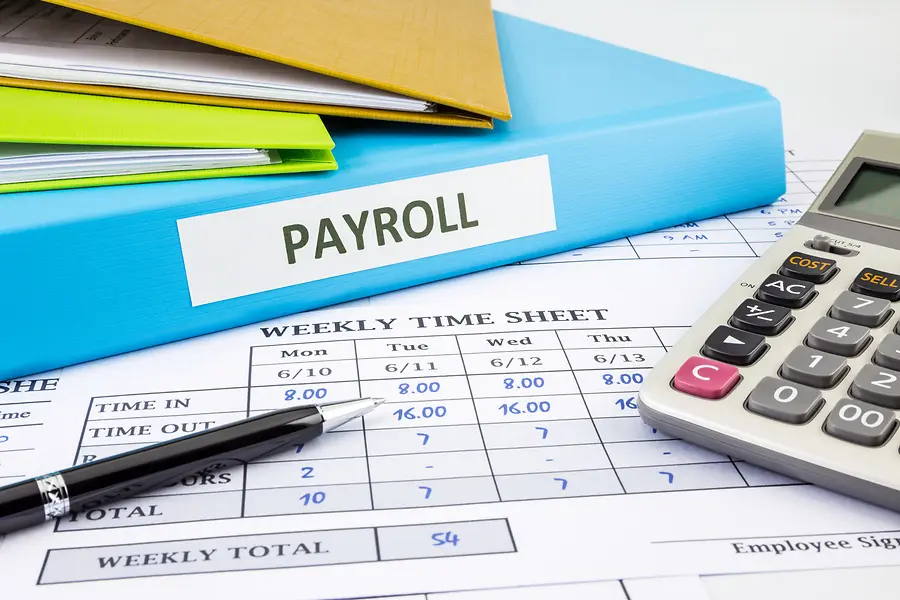
Payroll is often viewed as a routine process—calculate hours, process wages, deduct taxes, and issue payments. However, those of us who work in payroll know that the reality is far more complex, especially when organizations face mid-year changes.
Throughout my career in payroll and payroll tax management, I have learned that mid-year transitions can be some of the most challenging yet rewarding projects we undertake. Whether it's a company acquisition, payroll system conversion, company code consolidation, tax registration updates, benefit changes, or organizational restructuring, these changes require careful planning and execution to ensure employees continue to be paid accurately and on time.
The Importance of Preparation
The key to successfully navigating mid-year changes is preparation. Every modification to a payroll environment creates downstream impacts on taxes, benefits, reporting, direct deposits, year-end forms, and compliance obligations.
Before implementing any change, I focus on understanding:
- How the change impacts payroll calculations
- Tax filing and registration requirements
- Benefit deductions and employer contributions
- General Ledger mapping
- Historical payroll data integrity
- Employee communication needs
- Compliance with federal, state, and local regulations
A detailed checklist and project plan can make the difference between a smooth transition and a stressful payroll cycle.
Keeping Compliance Front and Center
One of my primary responsibilities as a payroll professional is ensuring compliance. Mid-year changes often involve multiple state agencies, unemployment accounts, withholding registrations, and tax account updates.
A seemingly simple company name change, merger, or acquisition can trigger numerous compliance requirements that must be addressed promptly. Missing one registration or failing to update a tax account can result in notices, penalties, or filing issues later in the year.
I believe payroll professionals serve as both processors and compliance guardians. Our role extends beyond issuing paychecks—we protect the organization from unnecessary risk.
Communication Is Critical
One lesson I've learned over the years is that communication is just as important as technical payroll knowledge.
Employees often become concerned when they hear words such as:
- System conversion
- Payroll transition
- Acquisition
- Company code merge
- Benefit changes
Clear communication helps reduce uncertainty and builds confidence. Employees want reassurance that their paychecks, tax forms, and direct deposits will remain accurate throughout the transition.
I always encourage organizations to provide timely updates and establish clear points of contact for payroll-related questions.
Technology Can Be Both a Challenge and an Opportunity
Payroll technology continues to evolve, and many organizations are implementing new platforms to improve efficiency and reporting capabilities.
System conversions often require:
- Data validation
- Parallel payroll testing
- Benefit deduction comparisons
- Tax setup reviews
- General Ledger reconciliation
- Historical balance verification
While these projects require significant effort, they also create opportunities to improve processes, eliminate manual work, and strengthen internal controls.
The most successful implementations occur when payroll, HR, finance, and technology teams work together toward a common goal.
My Approach to Mid-Year Changes
When managing payroll through a mid-year transition, I focus on three priorities:
1. Accuracy
Employees must be paid correctly every pay period.
2. Compliance
Tax agencies and regulatory requirements cannot be overlooked.
3. Communication
Keeping stakeholders informed reduces risk and increases confidence.
When these three areas remain aligned, even complex transitions can be completed successfully.
Final Thoughts
Payroll professionals often work behind the scenes, but our work directly impacts every employee in an organization. Mid-year changes can create challenges, but they also showcase the value payroll teams bring to the business.
Each transition is an opportunity to improve processes, strengthen compliance, and demonstrate the resilience of payroll operations.
As payroll continues to evolve alongside changing regulations and technology, one thing remains constant: employees depend on us to get it right every time.
That responsibility is what makes payroll not just a job, but a profession.


