
Recovery Does Not Have to Look Perfect to Be Real
Celebrating Progress in Every Step of Healing
September is recognized as National Recovery Month. It is a time to celebrate people who are working toward healthier lives and to recognize the families, peer-support workers, counselors, community organizations, and others who walk alongside them.
When some people hear the word recovery, they immediately think about substance use. That is certainly an important part of the conversation, but recovery can mean different things to different people.
Someone may be recovering from depression, anxiety, trauma, grief, abuse, or a major life change. Another person may be learning how to manage a mental health condition while still working, raising a family, attending school, or caring for someone else. Recovery can also mean learning how to trust again, rebuilding your confidence, setting boundaries, or simply getting out of bed after several difficult days.
One thing I have learned through my work in mental health and peer support is that recovery rarely happens in a straight line. People have good days, hard days, setbacks, and days when they are not sure they are making any progress at all.
That does not mean they have failed.
We sometimes expect people to recover according to our timeline. We may think they should be further along, making different choices, or handling things better by now. But healing does not work that way. We do not always know what someone has experienced or what it took for them to make it through the day.
Progress may look small from the outside. It may be answering a phone call, attending an appointment, taking medication as prescribed, asking for help, going one day without using a substance, or telling someone the truth about how they feel.
Those steps matter.
We also have to be careful not to define someone only by the hardest part of their story. A person is more than a diagnosis. They are more than an addiction, a relapse, a hospitalization, a mistake, or something painful that happened to them.
People deserve the opportunity to grow without being reminded of their past every time they try to move forward.
Support is also an important part of recovery. People need safe places where they can speak honestly without feeling judged or ashamed. They need people who will listen, encourage them, and help connect them with resources when needed. Sometimes support comes from professionals, but it can also come from peers, family members, faith communities, friends, and others who understand that recovery takes time.
As a woman of faith, I believe prayer has carried me through many difficult seasons. I also believe God can send help through other people. Seeking counseling, joining a support group, taking medication, or asking someone to walk beside you does not mean you lack faith. It means you recognize that you were never meant to carry everything alone.
During National Recovery Month, we celebrate people who are still trying. We celebrate the person who started over after a setback. We celebrate the person who finally asked for help. We celebrate the family that continues to offer support while also learning to set healthy boundaries.
Most importantly, we remind people that recovery is possible.
It may not happen overnight. It may not look perfect. It may require starting again more than once. But every step toward healing, stability, and a healthier life is still a step worth recognizing.
If you are in recovery, give yourself credit for how far you have come. If you are supporting someone else, remember to encourage their progress without trying to control their journey.
Recovery does not have to look perfect to be real. Sometimes, it simply begins with making the decision to keep going.
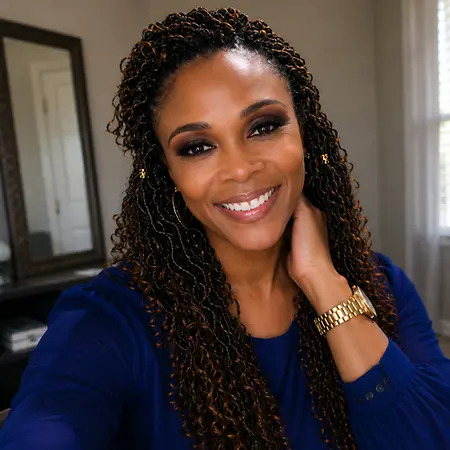
Jennifer Moore,Th.D is a Qualified Mental Health Professional and Certified Peer Support Specialist dedicated to mental health advocacy and empowering individuals to overcome challenges. With a passion for service since 2005, Dr. Moore manages a caseload of 27 clients, provides forensic peer support in local jails, and provides supervision, training, and mentorship to peer support specialists. She is also a member…





