Recovery Doesn't End at Treatment - That's Where It Begins
Why Long-Term Support and Stable Housing Are the True Foundations of Recovery

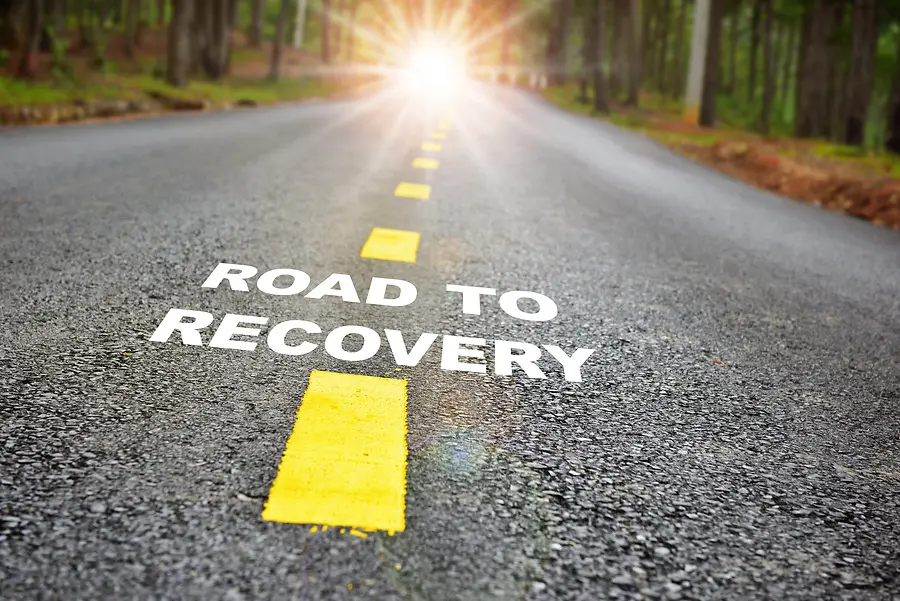
When most people think about recovery, they think about treatment. They think about detox, inpatient programs, or short-term care. And while those are critical first steps, they are only the beginning.
What happens after treatment is where recovery is truly tested.
For many individuals, leaving treatment means returning to the same environments, the same challenges, and the same instability that contributed to substance use in the first place. Without structure, support, and a clear path forward, the risk of relapse is high—not because people don’t want to change, but because they don’t yet have the foundation to sustain it.
Recovery is not just about sobriety. It’s about stability.
It’s about having a safe place to live, access to employment, consistent support, and a community that reinforces growth and accountability. These are the pieces that turn short-term success into long-term transformation.
As someone who has personally experienced addiction, incarceration, and the process of rebuilding my life, I understand how critical this phase is. I also see it every day in my work as the Executive Director of The Upper Room Recovery Community in South Bend, Indiana.
At The Upper Room, we provide sober housing and recovery support for men and women who are ready to move forward but need the structure and stability to do so. Our residents are not just working toward sobriety—they are working toward independence. They are finding employment, rebuilding relationships, and learning how to navigate life in a healthy and sustainable way.
What we’ve seen is clear: when people are given the right environment, they succeed.
But there is still a significant gap in how we approach recovery as a system. Too often, funding and attention are focused on short-term treatment without equal investment in what comes next. This leaves many individuals without the continued support they need during one of the most vulnerable times in their journey.
This is where we have an opportunity to do better.
We can begin to shift the conversation from “How do we get people sober?” to “How do we help people stay well?” That means investing in recovery housing, peer support, employment pathways, and community-based resources that provide long-term stability.
It also means recognizing the value of lived experience. Those who have walked through addiction and recovery bring insight, connection, and credibility that cannot be taught. When we include those voices in leadership, we create systems that are not only more effective but more compassionate.
Recovery doesn’t happen in isolation. It happens in community.
When individuals are surrounded by support, accountability, and opportunity, they don’t just survive—they rebuild. They grow. They lead.
And that’s where real change begins.
Recovery is not the end of a story—it's the beginning of a new one. The question is whether we are willing to build the systems that allow that story to succeed.


