Safety is in the eye of the beholder.
Safety ain’t secret

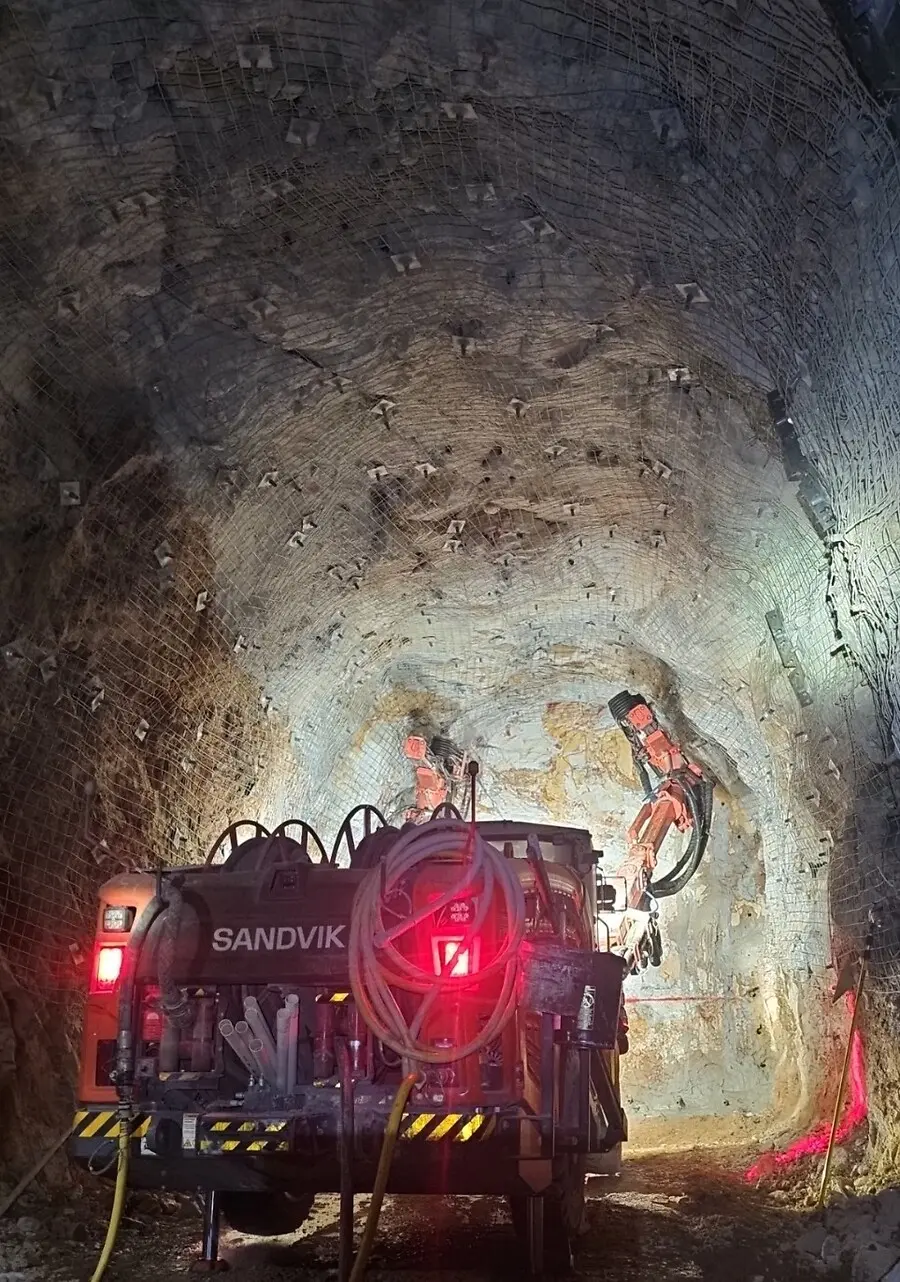
As a safety professional, many of my day-to-day activities are based on boots-on-the-ground interactions. Whether it is going underground with the superintendents to check headings and ground conditions, reviewing a 5-point workplace exam with a bolter operator, or verifying a pre-operation inspection on a 1700 mucker, I am always interacting with personnel.
Most days, I learn more from the workforce than any “how-to” safety book could ever offer. The power of using our words and having meaningful discussions cannot be replaced with AI-generated content or computerized check sheets. Having a voice in the face carries meaningful impact that cannot be replaced.
A recent discussion about safety with a coworker enlightened me to an aspect of safety that really hits home.
“Safety is in the eye of the beholder.” (Peaches)
While someone might take this as a derogatory statement against safety and run straight to HR, it made me think a little deeper.
What is safety? The Google machine says it is “the condition of being protected from or unlikely to cause danger, risk, or injury.” While this textbook answer is the most common information on the web, is it really explaining the true meaning? Safety can truly be in the eye of the beholder from many different perspectives.
Is it safe to walk across the street? Sure. I’m in a crosswalk, the cars are stopped, and the little walking signal is telling me to go. But why are more people injured in crosswalks than while jaywalking? This all ties into the delusions of safety.
We have been trained from a young age to use the crosswalk, but do we assess the hazards while we are in it? Most of the time, as humans, we do not—we are simply following procedure. The hazard isn’t the crosswalk itself; it is the factors surrounding it. High-speed drivers, limited visibility for pedestrians, and driver inattentiveness are the real risks.
Knowing that every time I use a crosswalk I am taking a risk, I rely on training: looking both ways, waiting for the signal, and ensuring it is safe before crossing. I have rationalized the hazard and reduced the risk through proper training—making safety, in many ways, in the eye of the beholder.
In underground mining, the list of hazards could go on for many pages. When I walk into a workplace, the first thing I look at is the ground conditions. Does the area need to be scaled down? If so, I know what to do. I know how to scale, sound the rock, check bolts, plates, and mesh, and verify the ground support standards. I have been trained on these tasks for years, so this knowledge comes naturally.
But is it common knowledge for the new miner I am with?
That miner might not see the situation as safe or unsafe because they have not yet been trained to recognize the hazard. This is an opportunity to train and coach the beholder of safety—helping them understand the hazard and how to reduce the risk.
Now the miner has been shown the hazards, understands the risks, and has been trained on how to ensure safety.
There are many tasks in underground mining that may seem unsafe to the untrained eye. With proper training from experienced personnel, clear communication, adherence to procedures, and the use of the tools provided, everyone can become a beholder of safety.
Training is one of the most valuable components of safety. Without training, how do we truly know what safety looks like? The impact that quality training has on an individual directly reflects the safety of the entire site.
As safety professionals, we must continually train others—and ourselves. Just because something doesn’t look safe to me doesn’t necessarily mean it is putting the worker at risk. I may simply lack the training or experience to understand the hazards involved and the controls in place to reduce the risk.
Long story short, safety is in the eye of the beholder. Continue providing quality training, using your words, documenting procedures, and updating them as tasks, machines, and personnel evolve.
Safety Ain't Secret - keep making me proud
— Kristi Ojala


