
Silenced by Stigma: Rethinking Masculinity and Suicide Prevention Among Young Males
How cultural expectations around masculinity shape mental health outcomes and what communities can do to redefine strength and save lives.

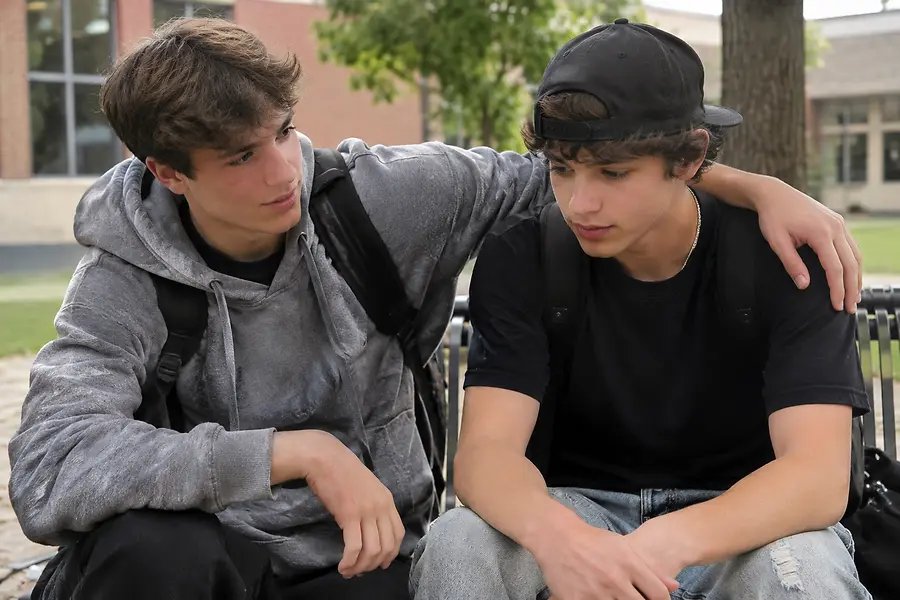
"Man up." "Boys don't cry." "Be tough."
These seemingly ordinary expressions carry messages that can shape how young boys understand emotional vulnerability, self-worth, and masculinity. When repeated throughout childhood and adolescence, they contribute to an environment where asking for help feels like admitting defeat.
But what happens when the very qualities we encourage in young males become barriers to their mental well-being?
During my community health education capstone at Seattle Central College in 2025, I explored this question through research focused on suicide prevention among American males ages 10–24. My research examined the intersection of cultural expectations, systemic inequities, emotional suppression, and community-level influences on mental health.
What emerged was a compelling opportunity to reconsider not only how we approach suicide prevention but also how we collectively define strength.
An Overlooked Health Equity Crisis
According to data from the Centers for Disease Control and Prevention (CDC), approximately 80% of suicide deaths in the United States in 2022 were among males. Suicide has also ranked among the leading causes of death for individuals ages 10–24.
Behind these statistics are young people with aspirations, relationships, talents, and futures who deserve access to meaningful mental health support.
Although suicide is complex and cannot be attributed to a single cause, research identifies several barriers that can influence whether young people seek and receive appropriate care.
For some adolescent boys and young men, these barriers include mental health stigma, limited emotional health literacy, financial hardship, inaccessible healthcare services, and societal expectations that prioritize independence and emotional restraint.
Recognizing these disparities is essential to advancing health equity. It requires acknowledging that people do not experience the same opportunities, resources, or social environments that support mental well-being.
When Masculinity Becomes a Barrier to Help-Seeking
Masculinity itself is not the problem. However, restrictive expectations surrounding masculinity can become harmful when they discourage emotional expression, vulnerability, and connection.
Research by Milner, Shields, and King (2019) examined the relationship between masculine norms and mental health literacy. Their work highlights the importance of understanding how social expectations may influence men's ability to recognize mental health concerns and navigate available resources.
Similarly, research on adolescent help-seeking identifies stigma and other personal and social barriers that can discourage young people from accessing psychological support.
A young person may want help but fear judgment. He may recognize that something is wrong but lack the language to describe his experience. He may have internalized the belief that independence means managing emotional distress alone.
These experiences are not universal among young males, but they illustrate why simply making mental health services available is not always enough.
We must also create environments in which accessing those services feels acceptable, safe, and empowering.
Looking Beyond Individual Responsibility
One of the central frameworks guiding my research was the Social Ecological Model, which recognizes that health outcomes are influenced by multiple interconnected levels:
- Individual knowledge, beliefs, and behaviors.
- Interpersonal relationships with family members, friends, and mentors.
- Community environments, including schools and youth organizations.
- Broader societal norms, policies, and institutional practices.
My research focused primarily on the community level because communities have considerable influence over the messages young people receive, the resources available to them, and the behaviors that are socially reinforced.
This perspective also brings attention to structural violence: the ways institutional and social arrangements can systematically prevent individuals from meeting their basic needs.
When mental health services are financially inaccessible, health education is inadequate, or community environments discourage emotional expression, responsibility cannot rest solely on the individual experiencing distress.
Suicide prevention must extend beyond encouraging young people to speak up. It must also address the conditions that make speaking up difficult.
Building on Strengths Rather Than Deficits
One of the most important aspects of my research was its emphasis on cultural assets.
Rather than approaching young males solely as a vulnerable population defined by risk factors, I wanted to explore how existing strengths could be leveraged to promote mental well-being.
Three strengths became central to my research:
- Resilience: The capacity to navigate adversity with the support of personal, interpersonal, and community resources. Resilience should not mean enduring hardship in isolation.
- Adaptability: The ability to respond to challenges by developing new perspectives, coping strategies, and behaviors. Learning to seek support when needed is an example of adaptability.
- Self-efficacy: The belief in one's ability to take meaningful action. Building emotional awareness, learning to communicate distress, and navigating mental health resources can strengthen this sense of personal agency.
These strengths offer an opportunity to reframe commonly valued qualities without stripping young males of their identities.
Independence does not have to mean isolation. Courage does not require emotional suppression. Strength does not mean refusing support.
We can preserve these positive values while expanding what they mean.
Communities Can Become Catalysts for Change
Through my capstone project, I proposed a community-based health education initiative that would engage trusted adults, mentors, schools, and community organizations in reshaping conversations surrounding masculinity and mental health.
Potential strategies include:
- Training educators, coaches, mentors, and caregivers to recognize emotional distress and respond without judgment.
- Creating supportive environments where young males can discuss emotions without fear of ridicule.
- Encouraging peer-led outreach and healthy friendships.
- Improving mental health literacy and awareness of available resources.
- Providing culturally responsive and accessible mental health education.
- Engaging young people directly in developing programs intended to support them.
Community involvement matters because interventions should empower the people they intend to serve rather than impose solutions without their participation.
Young males deserve a voice in shaping how their mental health needs are understood and addressed.
Redefining Strength for Future Generations
As a mother of two sons and a community health educator, I believe this conversation extends far beyond academic research.
It is a conversation about the environments we create for our children, the values we pass down, and how we respond when someone trusts us enough to share emotional pain.
We have an opportunity to teach boys that emotional intelligence is an asset, vulnerability can coexist with confidence, and reaching out for support is an act of self-awareness.
Suicide prevention is a shared responsibility. Families, educators, healthcare professionals, policymakers, and community leaders all have opportunities to contribute.
We cannot eliminate every hardship young people will encounter. But we can work toward a society in which they do not feel obligated to navigate those hardships alone.
The central message and call to action of my capstone infographic, titled Silenced by Stigma, remains one I hope to carry forward throughout my career in health education and healthcare advocacy:
Strength is asking. Love is listening. Both save lives.
Support is available: If you or someone you know is experiencing suicidal thoughts or ideation or having a mental health crisis, call or text 988 to reach the Suicide & Crisis Lifeline, available 24 hours a day.
References:
- Centers for Disease Control and Prevention. Suicide Data and Statistics. https://www.cdc.gov/suicide/facts/data.html
- Hua et al. Suicide and Suicide Risk in Adolescents. Pediatrics. https://doi.org/10.1542/peds.2023-064800
- Eigenhuis et al. (2021). Facilitating Factors and Barriers in Help-Seeking Behavior in Adolescents and Young Adults With Depressive Symptoms. https://doi.org/10.1371/journal.pone.0247516
- Milner, Shields, & King (2019). The Influence of Masculine Norms and Mental Health on Health Literacy Among Men. https://doi.org/10.1177/1557988319873532
- Pfeiffer & In-Albon (2022). Barriers to Seeking Psychotherapy for Mental Health Problems in Adolescents. https://doi.org/10.1007/s10826-022-02364-4
- Ungar & Theron. Resilience and Mental Health: How Multisystemic Processes Contribute to Positive Outcomes. https://doi.org/10.1016/S2215-0366(19)30434-1
Adapted from my 2025 community health education capstone research at Seattle Central College, "Promoting Cultural Assets in Young Males (Ages 10–24) by Reframing Community Mental Health Supports"

Keri Au-France is the co-founder and operator, along with her husband Paul, of Seatown Collectible a successful e-commerce business based in Seattle that specialize in collectibles and consumer goods. Seatown Collectible offers a diverse range of items, including collectibles, LEGO products, and trading cards, among various others. With over a decade of experience in business operations, healthcare administration,…