The EduWarrior: Leading with Resilience in Human-Centered Systems
How Personal Loss Transformed My Understanding of Leadership Resilience

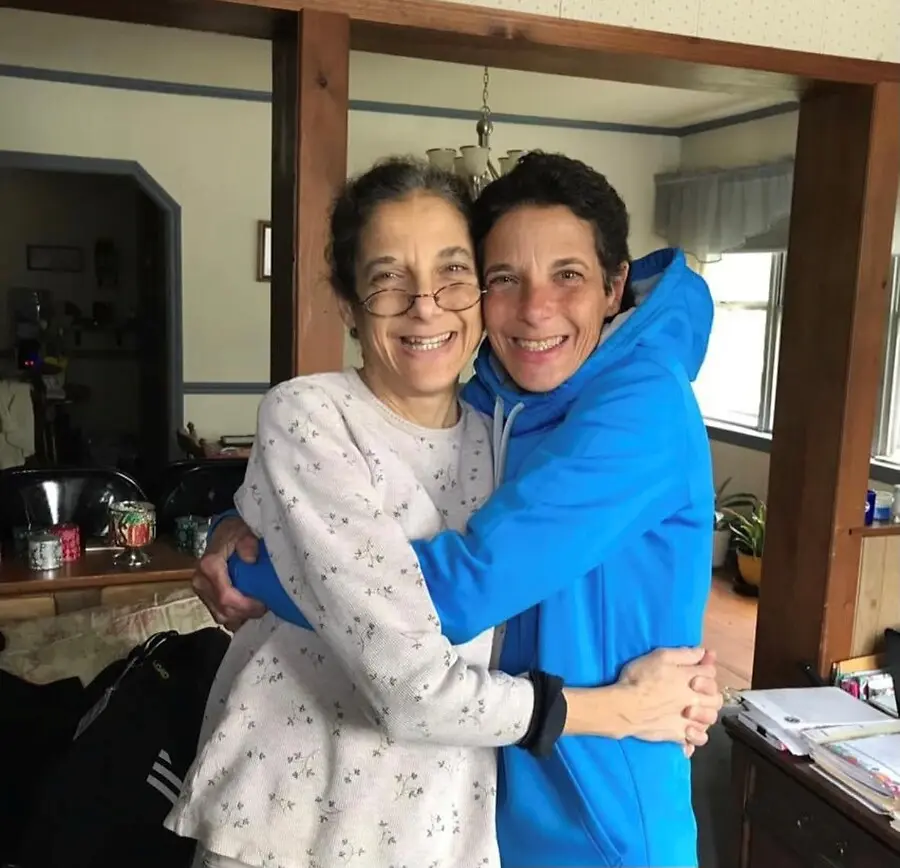
There are moments in life that quietly reshape how we see the world — and how we lead within it.
It feels like yesterday that I lost my twin sister in October 2023.
We were, in many ways, two peas in a pod. Although we chose similar professional paths — she as a school psychologist and I as an educator, beginning my career in the classroom — our connection extended far beyond shared interests. We often knew what the other was thinking without saying a word, and not a day went by without a phone call or text message. Our lives moved in quiet synchrony.
Losing her felt like losing a part of myself.
Grief has a way of reshaping everything — how you see the world, how you move through it, and how you lead within it. In the months that followed, resilience was no longer an abstract concept discussed in leadership literature. It became a lived reality, present in the daily decision to continue supporting others, engage in meaningful work, and lead with clarity despite personal sorrow.
In human-centered systems like education, leadership is rarely about returning to what once was. More often, it reflects the capacity to move forward changed.
Psychiatrist Elisabeth Kübler-Ross once wrote:
“The most beautiful people we have known are those who have known defeat, known suffering, known struggle, known loss, and have found their way out of the depths.”
For women who lead in complex environments, this understanding of resilience is essential. Leaders are called to navigate uncertainty, respond to competing priorities, and support the growth of others while managing their own professional and personal challenges. The work demands not only technical expertise, but emotional endurance.
Over time, resilience has come to represent more than personal perseverance. It is a leadership practice — one that shapes how leaders interpret experience, respond to adversity, and create the conditions for growth in others. This belief has informed what I refer to as the EduWarrior mindset.
EduWarriors are leaders who move toward challenges with intention rather than avoidance. They remain anchored in purpose when outcomes are uncertain and view feedback not as evaluation, but as a pathway for growth. In practice, this mindset influences how leaders support others through meaningful reflection, align professional learning to organizational priorities, and foster coherence across systems so that improvement efforts are strategic rather than fragmented.
In this way, resilience becomes embedded not only in personal leadership approaches, but in instructional and organizational practices. It is reflected in how leaders facilitate collaboration, use data to inform decision-making, and sustain a focus on long-term growth even in the face of disruption.
Rather than returning to a previous version of leadership, this experience prompted a shift toward greater intentionality in my work supporting educators through statewide teacher growth and development initiatives designed to strengthen instructional practice through meaningful feedback and aligned professional learning. The same principles that guide effective growth — reflection, coherence, and deliberate practice — also serve as mechanisms for sustaining leaders through adversity.
The word Warrior first emerged as a guiding principle for my leadership practice in 2024. Over time, however, it has become more than an annual theme. It now reflects an ongoing commitment to lead with courage, remain grounded in purpose, and meet complexity with clarity and resolve.
For women in leadership roles, resilience is not demonstrated by the absence of struggle, but by the ability to transform challenge into purposeful action. By modeling reflective practice, aligning support systems, and maintaining a focus on collective growth, leaders can cultivate environments where resilience becomes a shared organizational capacity rather than an individual burden.
Ultimately, resilience is not a destination to be reached, but an ongoing process of transformation. The work of the Warrior is not simply to endure challenge, but to grow through it — and to lead in ways that create strength in others. When leaders embrace this responsibility, resilience moves beyond personal survival and becomes a shared organizational capacity — the essence of the EduWarrior mindset.
As leaders, we can begin by asking ourselves:
What challenge am I currently navigating, and how might I intentionally transform this experience into clarity, compassion, or growth for those I serve?


