The Emotional Cost of Always Being the Strong One
Why Strength Without Support Eventually Becomes Exhaustion

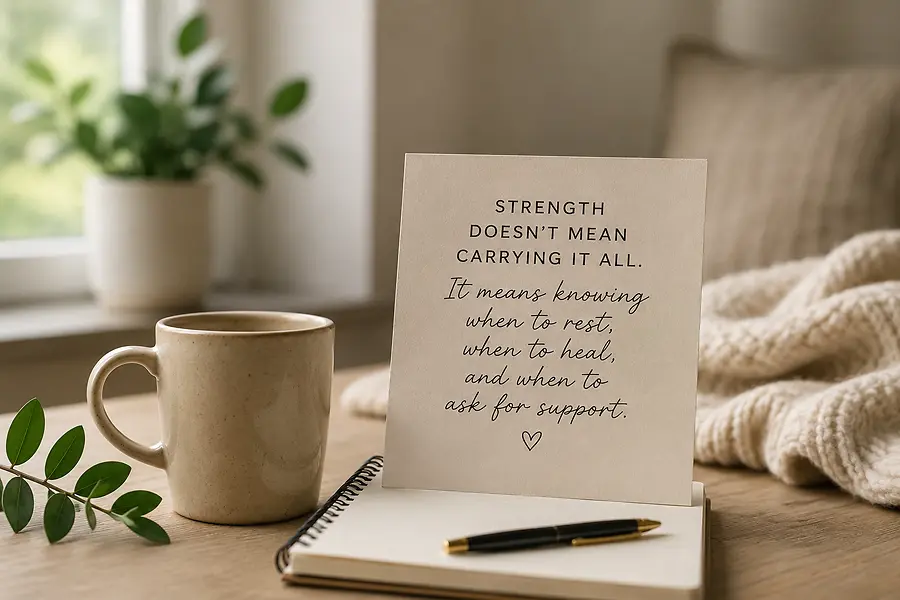
Some people become so used to being the strong one that they forget they deserve support too.
They become the person everyone depends on—the one who keeps showing up, keeps pushing forward, keeps solving problems, and keeps carrying responsibilities, even while emotionally overwhelmed. From the outside, they often appear resilient, dependable, capable, and strong. However, strength without support eventually becomes exhausting.
Many high-performing women have learned how to function while emotionally depleted. They continue leading, caregiving, working, producing, achieving, and pouring into others while quietly neglecting their own emotional well-being. Over time, constantly carrying the emotional weight for everyone else can create burnout, emotional fatigue, resentment, anxiety, and disconnection from self.
Not because they are weak, but because they were never meant to carry everything alone.
Unfortunately, many people normalize survival mode for so long that functioning under pressure becomes part of their identity. Rest begins to feel unfamiliar, asking for help feels uncomfortable, and emotional exhaustion becomes hidden behind productivity, leadership, and the ability to “handle everything.”
The problem is that constantly being the strong one often leaves very little room for honesty about personal needs, emotional capacity, or mental well-being. Many people silently struggle because they feel pressure to continue holding everything together for everyone else.
However, strength should never require self-neglect.
Healthy leadership, relationships, and emotional well-being all require balance, boundaries, support, self-awareness, and intentional care for ourselves as well.
That understanding is one of the reasons I created The C.L.A.R.I.F.Y. System™—a practical mindset framework designed to help people pause, regulate, and respond with intention instead of reaction.
Emotional well-being requires more than simply surviving difficult seasons. It also requires people to recognize when they are emotionally overwhelmed, mentally exhausted, or carrying more than they were ever meant to carry alone.
As I often say:
“Hurt people hurt people. So, I believe healed people should help people.”
— Shae Pratcher
Awareness matters, but healing often requires intentional action, healthier boundaries, honest conversations, support systems, and the willingness to acknowledge that constantly carrying everything without support is not sustainable long term.
In many cases, the strongest people are the ones who have spent years quietly surviving while still showing up for everyone around them. However, true strength is not found only in endurance.
Sometimes true strength is found in honesty, vulnerability, rest, emotional regulation, and finally allowing yourself the same care, grace, and support you so freely give to others.
In conclusion, being dependable, ambitious, resilient, and supportive are all beautiful qualities. However, being “the strong one” should never come at the expense of your own mental, emotional, and physical well-being.
Sometimes the strongest thing a person can do is finally admit they are tired of carrying everything alone.