The Leadership Lesson I Had to Learn: Your Job Is Not to Be the Smartest Person in the Room
Why the best leaders focus on building great teams instead of being the smartest person in the room.

The Leadership Lesson I Had to Learn: Your Job Is Not to Be the Smartest Person in the Room
Early in my career, I thought becoming a leader meant having the answers.
I believed that if I wanted people to respect me, I needed to know more, work harder, solve the problems, and prove that I deserved to be in the room.
The higher I climbed, the more I realized how wrong I was.
Today, I lead organizations filled with people who know things I don't know—and that is exactly how it should be.
My job isn't to be the smartest person in the room. My job is to build a room full of smart people, give them the confidence to use their voices, and create an environment where they can do their best work.
That may be one of the most important leadership lessons I've learned.
Leadership Isn't About Having All the Answers
I've spent much of my career leading highly technical organizations. In those environments, it can be tempting for leaders to believe they need to be the technical expert on everything.
I learned a long time ago that isn't scalable—and it isn't leadership.
I want people on my team who are better than I am at what they do. I want the engineer who understands the network at a level I don't. I want the person who sees a problem differently than I do. I want someone who is willing to tell me, respectfully, "Evelyn, I don't think that's the right answer."
That doesn't diminish me as a leader. It makes the organization stronger. If I'm always the smartest person in the room, I've probably built the wrong room.
Sometimes You Have to Believe in People Before They Believe in Themselves
One of my favorite parts of leadership has always been developing people.
I've watched employees hesitate to apply for a position because they didn't think they were ready.
I've seen people underestimate their abilities because no one had ever told them what they were capable of.
Sometimes they just need someone to see it first.
Throughout my career, I've created career paths, training opportunities, certification programs, and development plans because I believe people need more than a job. They need to be able to see where they can go.
But development isn't only about programs.
Sometimes it's a conversation.
Sometimes it's giving someone an assignment that scares them a little.
Sometimes it's saying, "I know you can do this," and then giving them enough room to discover that you're right.
There is something incredibly rewarding about watching someone grow into a role they once couldn't imagine themselves doing.
Accountability and Caring Can Exist in the Same Room
I have high expectations. Anyone who has worked for me probably knows that.
I believe in accountability. I believe in owning the outcome. I believe that when customers are depending on us, we don't get to say, "That's not my job," and walk away.
But I've never believed that accountability and caring are opposites. You can expect excellence from people and still care deeply about them. You can have difficult conversations and still treat someone with dignity. You can tell someone they need to improve while also helping them figure out how.
In fact, I believe people will often give you more when they know that your expectations come from believing in what they are capable of—not simply from demanding results.
People should know when they work for me that I will hold them accountable. But they should also know that I will fight for them, advocate for them, recognize them, develop them, and celebrate them.
Both can be true.
You Don't Get to Stop the Business While You Transform the Business
I've also learned something else about leadership through years of acquisitions, integrations, reorganizations, and operational transformations:
You don't get to stop the business while you transform the business.
I wish you could.
It would be much easier to say, "Everyone stop for six months. We're going to redesign the organization, integrate the technology, fix the processes, train everyone, and then we'll turn everything back on."
Of course, that's not how it works.
The phones still ring. Customers still need you. Networks still have outages. Employees still need answers. And the business still has to perform.
That is where leadership becomes less about the perfect PowerPoint or organizational chart and much more about people.
Because the hardest part of transformation isn't usually designing the new process.
It's bringing people with you.
People need to understand where you're going and why. They need to know what the change means for them. They need opportunities to ask questions, disagree, learn, make mistakes, and eventually become part of building the new organization.
I've learned that you cannot simply announce transformation.
You have to lead people through it.
The People Doing the Work Matter
Some of the people I admire most in an organization will never have an executive title.
They're the people answering the phone when everyone else is sleeping. They're troubleshooting an outage at 2:00 in the morning. They're staying beyond their shift because a customer is still down. They're mentoring the new employee sitting beside them. They're solving problems that most of the company will never even know happened.
Leadership has taught me to pay attention to those people.
Titles don't tell you who the leaders are in an organization. Actions do.
One of my responsibilities as an executive is to make sure those contributions don't become invisible simply because they happen behind the scenes.
Recognition matters. A simple "thank you" matters. Knowing someone's name matters. And making sure people understand how their work connects to something bigger than themselves matters.
How I Measure Leadership Today
My definition of success has changed over the years.
Of course, results matter. I am an operations leader. I measure things. I look at performance, customer experience, efficiency, reliability, and whether we're delivering what we promised.
But those aren't the only things I measure anymore.
I also look around the room.
Who grew?
Who found their voice?
Who became a leader?
Who took on something they once thought they couldn't do?
Who is ready to take my seat someday?
Because if an organization can only succeed when I'm in the room, then I haven't built a successful organization. I've built a dependency.
The goal should be to create people and teams capable of succeeding long after the leader has left the room.
That's why one belief has become central to the way I lead:
"The best leaders don't just manage people—they inspire them, believe in them, and help them become more than they thought possible."
Leadership isn't about proving that you're the smartest person in the room.
It's about looking around that room and realizing that you helped build it.
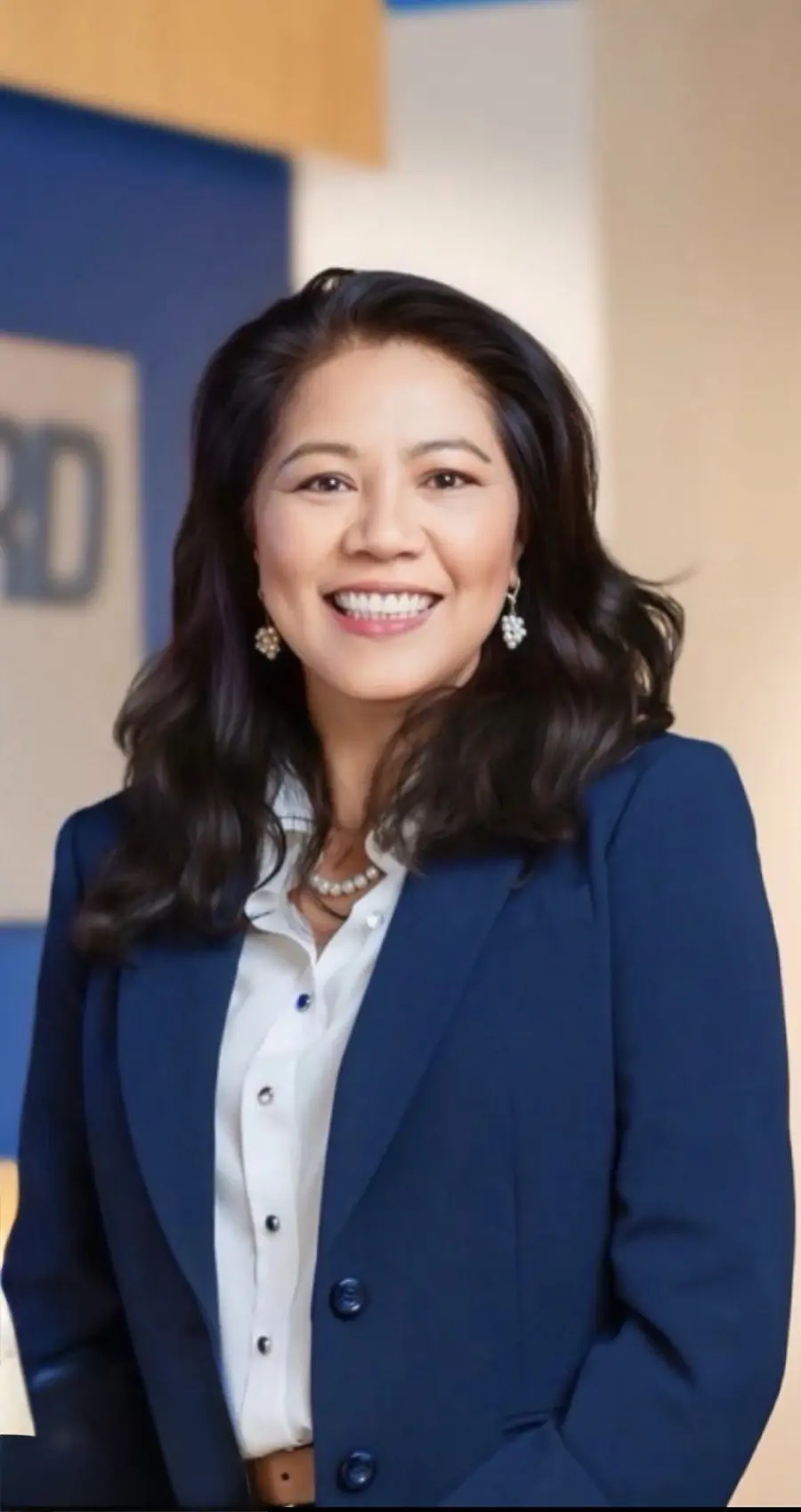
- Evelyn Talatala Clough
Vice President, Network Operations | Leadership & Operational Transformation Executive