The Many Faces of Homelessness
Understanding the diverse pathways to homelessness and how peer support, consistent communication, and respect can help people find their way back to stable housing.

Homelessness Can Happen to Anyone
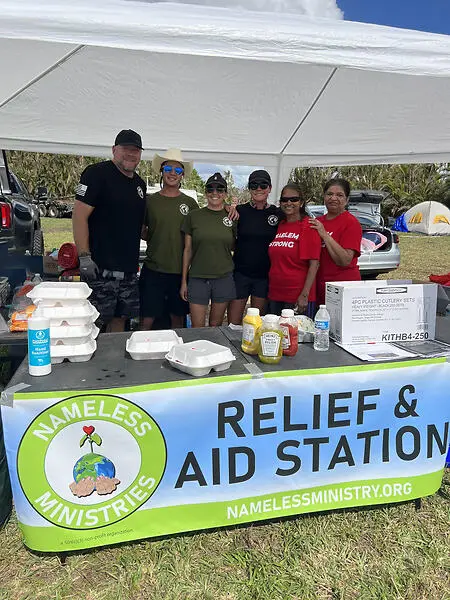
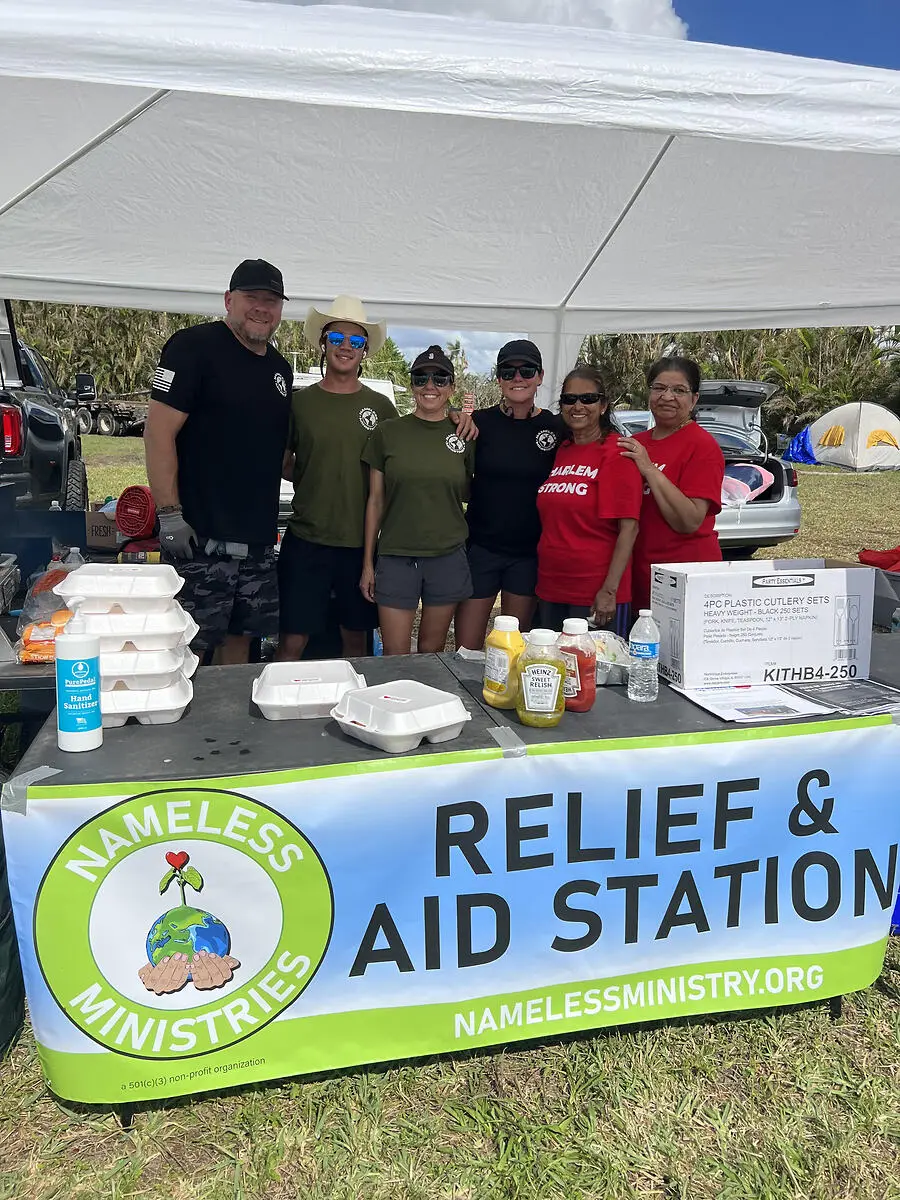
Homelessness is often pictured as affecting one kind of person, but it reaches people from every background. Each Saturday, Nameless Ministries serves about 150 people in downtown Tampa. Among them are veterans, families who lost their homes in a hurricane, and young adults who left foster care with nowhere to go.
Each group reaches homelessness by a different road, but they share many of the same barriers once they are there. Below, I look at three of these groups, drawing on my research at the University of Florida and our work in the community, and at what helps people find their way back to stable housing.
Veterans
Veterans experience homelessness at higher rates than many other groups (Leite & Vieira da Silva, 2025), even though the United States has invested millions of dollars over the past two decades to end it. The problem is not only a shortage of programs. In one national study, only about one in four low-income veterans with a history of homelessness had used any homelessness program while they were unhoused (Tsai & Kelton, 2023). For my doctoral research, I interviewed veterans experiencing homelessness whom I met through weekly outreach in Tampa and asked what got in the way and what made a difference.
What gets in the way for veterans
The veterans I spoke with rarely faced just one problem. Several barriers usually showed up at the same time, and each one made the others harder to overcome.
- Lack of trust. When staff treated them poorly or promised help that never came, veterans stopped coming back. As one veteran put it, "you will not want to go to a program that you are not wanted in."
- Systems that are hard to get through. Eligibility rules, paperwork, waitlists, and unclear steps kept people from starting or finishing programs.
- Unstable housing. It is hard to keep appointments, store documents, or follow a program plan without a stable place to stay.
- Money. Financial hardship affected everything from transportation to meeting program requirements.
- Health and personal struggles. Physical and mental health concerns, substance use, and past trauma often had to be managed at the same time as everything else.
- Privacy. Some veterans were uncomfortable sharing sensitive information about their service or their lives, especially in front of other people.
One finding surprised me. Stigma is often described as a major reason people do not ask for help, but none of the veterans in my study said it kept them from using services. They did feel judged, though. As one veteran explained, "When you're homeless on the streets, people look at you a little differently."
What helps veterans
The veterans also described what made a real difference, and most of it came down to people, not paperwork.
- Veteran-to-veteran connection. Peer support was rare, but when it happened, it was powerful. Other veterans offered encouragement, practical help, and an understanding that is hard to find elsewhere. Helping others also gave veterans a sense of purpose: "It felt good to help other people."
- Someone to help navigate. Veterans who had a person to explain the steps, answer questions, and follow up were more likely to stay connected to services.
- Consistent communication and follow-through. Staff who stayed in touch and did what they said they would do earned trust, and trust kept veterans engaged.
After the Storm
Hurricanes can turn a housing crisis into homelessness overnight. Through our hurricane relief work after Ian, Helene, and Milton, we met families in Fort Myers and Tampa who had never been homeless before the storm.
The numbers show how long recovery can take. After Helene and Milton in 2024, more than 10,000 homes in the Tampa Bay region were designated substantially damaged. When FEMA-funded hotel stays ended in April 2025, dozens of survivors in the St. Pete Beach area faced homelessness while they waited on permits, insurance, and paperwork (Skinner, 2025). Nationally, nearly 16% of people displaced by disasters say they were never able to return home, and lower-income households are displaced at higher rates (Memmott & Weller, 2024).
People who were already unhoused face the storm with no shelter at all, and those living paycheck to paycheck may lose everything they own. Recovery programs often require documents and stable contact information that people who have been displaced no longer have.
Aging Out of Foster Care
Young people leaving foster care are among those most likely to become homeless. About 25,000 young adults age out of the U.S. foster care system each year, and roughly one in three young adults experiencing homelessness has been in foster care (Michelini et al., 2022). Many lose their placement, their support, and sometimes their only stable adults on the same birthday.
In a long-term study of youth who aged out of foster care in the Midwest, nearly 40% had been homeless or couch-surfed by ages 23 or 24 (Dworsky & Courtney, 2010).
Part of the problem is timing. Transition planning often begins just 90 days before a young person leaves care, and only about half of eligible youth receive Independent Living Program services. Starting transition planning at least a year ahead, expanding access to independent living services, and connecting youth with mentors and caring adults can help them leave care with a plan for housing and income, not just a deadline.
What We Can All Do
Ending homelessness requires more than making services available. It also depends on how people are supported while they try to reach those services and stay connected to them.
- Programs can explain requirements in plain language, follow through on referrals, offer flexibility when someone is dealing with several challenges at once, and hold sensitive conversations in private.
- Service providers can listen, stay consistent, and help people work through barriers instead of leaving them to figure it out alone.
- Communities can create opportunities for veterans to support other veterans and treat people experiencing homelessness with the same respect anyone would want.
- Neighbors can volunteer with local outreach, donate, or simply learn the name of someone they pass every day. Small acts of respect build the trust that brings people back.
Listening First
Whether someone is a veteran, a family rebuilding after a storm, or a young adult leaving foster care, the needs are often the same. People ask to be treated with respect, to be told the truth, and to have someone walk alongside them. When we listen to people with lived experience, we learn where our systems fall short and where they are succeeding. Understanding the bridges and barriers to success for those experiencing homelessness, as well as their experiences with the programs designed to support them, shows us how to make those programs work better for everyone.
References
Dworsky, A., & Courtney, M. E. (2010). Assessing the impact of extending care beyond age 18 on homelessness: Emerging findings from the Midwest Study. Chapin Hall at the University of Chicago. https://www.chapinhall.org/wp-content/uploads/Midwest_IB2_Homelessness.pdf
Leite, Â., & Vieira da Silva, C. (2025). Trends in homelessness and social sustainability: Veterans vs. non-veterans in the US. Healthcare, 13(9), Article 967. https://doi.org/10.3390/healthcare13090967
Memmott, T., & Weller, C. (2024, October). People displaced by hurricanes face anxiety and a long road to recovery, US census surveys show − smarter, targeted policies could help. The Conversation. https://theconversation.com/people-displaced-by-hurricanes-face-anxiety-and-a-long-road-to-recovery-us-census-surveys-show-smarter-targeted-policies-could-help-241189
Michelini, F., Cantrell, R., & Fogarty, K. (2022). Understanding the risk of homelessness for emerging adult foster care youth. EDIS, 2022(1). https://doi.org/10.32473/edis-fy1506-2022
Skinner, A. (2025, April 9). Florida residents left homeless after FEMA housing deadline hits. Newsweek. https://www.newsweek.com/florida-residents-left-homeless-after-fema-housing-deadline-hits-2057469
Tsai, J., & Kelton, K. (2023). Service use and barriers to care among homeless veterans: Results from the National Veteran Homeless and Other Poverty Experiences (NV-HOPE) study. Journal of Community Psychology, 51(1), 507–515. https://doi.org/10.1002/jcop.22912
About the Author
Francesca Michelini, PhD, is the founder and president of Nameless Ministries, a Tampa nonprofit that serves people experiencing homelessness and food insecurity through weekly outreach. She earned her PhD in Family, Youth and Community Sciences at the University of Florida, where her research focused on veterans' pathways through homelessness services.
Francesca Michelini founded Nameless Ministries Inc in Tampa, Florida, supporting homeless and food-insecure individuals. With a PhD in Youth Development and Family Science, she directs hurricane relief efforts, hospice initiatives, and fencing scholarships. Her published research on homelessness and veterans' issues, combined with 14 years of nonprofit experience, has established her as a leading advocate for…