The People Who Hold Things Together
How quiet leadership and bridge-building create the strongest organizations

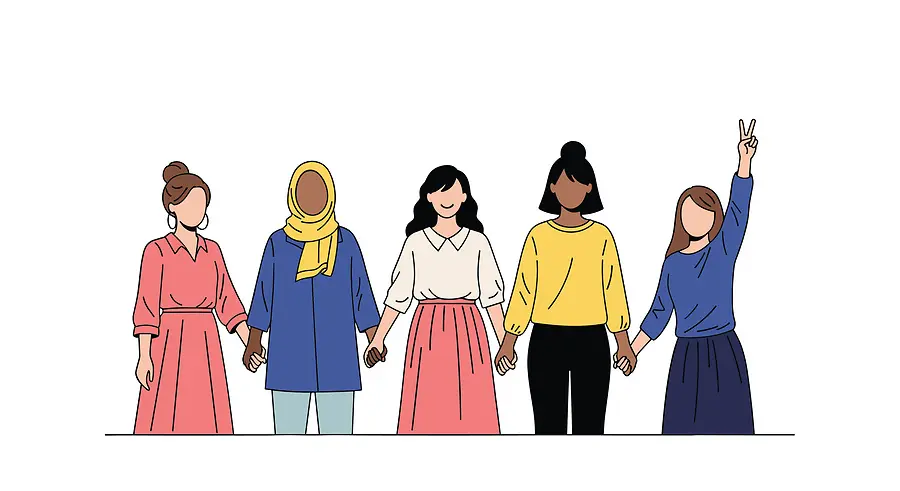
Every organization has people who build the bridges.
They connect teams that don't naturally speak the same language. They translate priorities. They untangle confusion. They create order where none existed before. Most of the time, nobody notices they're doing it—until they're gone.
Early in my career, I thought influence belonged to the people with the biggest titles, the largest budgets, or the loudest voices in the room. Over time, I discovered something different.
Some of the most important work inside an organization happens quietly. It happens in the spaces between departments—between strategy and execution, between policy and operations, between what leadership intends and what actually happens on the ground.
The people working in those spaces rarely receive recognition. In many cases, their names never appear on major initiatives or organizational successes. Yet they are often the reason those successes happen at all.
The Spaces Between
I've spent much of my career in those spaces.
My professional journey has taken me through aviation maintenance, public transportation, national laboratory operations, federal programs, records management, governance, compliance, and information management. At first glance, those experiences may seem unrelated. For years, I wondered if I was simply changing directions too often.
What I eventually realized was that every role was teaching me the same lesson.
Organizations don't struggle because people lack talent. They struggle when talented people cannot effectively connect their work.
- A policy can be perfectly written and still fail in execution.
- A technology solution can be brilliantly designed and still create frustration.
- A strategic initiative can receive unanimous approval and still never achieve its intended outcome.
The challenge is rarely capability. The challenge is connection.
Someone has to translate. Someone has to coordinate. Someone has to see how one decision impacts another team, another process, another outcome. Someone has to build the bridges.
Women Who Lead Without the Spotlight
Throughout my career, I've had the privilege of working alongside many women who excel at this kind of leadership.
- Women who lead without needing the spotlight.
- Women who create alignment without demanding credit.
- Women who solve problems before they become crises.
- Women who hold organizations together through relationships, trust, persistence, and an extraordinary ability to connect people and ideas.
Their influence often goes unnoticed because it doesn't always look like traditional leadership.
- It looks like listening.
- It looks like collaboration.
- It looks like helping others succeed.
- It looks like creating clarity when everyone else sees complexity.
The irony is that organizations often celebrate visible achievements while overlooking the people who make those achievements possible. Yet the strongest organizations are rarely built by individual stars. They are built by people willing to connect, coordinate, and create understanding across boundaries.
These Are Leadership Skills
Today, as organizations face increasing complexity, I believe this skill matters more than ever.
- The ability to bridge disciplines
- The ability to connect perspectives
- The ability to help people move forward together
These are not secondary leadership skills. They are leadership skills.
And while bridge builders may not always receive the recognition they deserve, their impact is felt every day in the organizations, teams, and communities they help hold together.
Sometimes the people who make the greatest difference aren't the ones standing at the center of the stage. They're the ones quietly making sure the stage doesn't collapse.


