The Power of Connection
Why Trust Is the Foundation of Community-Based Work

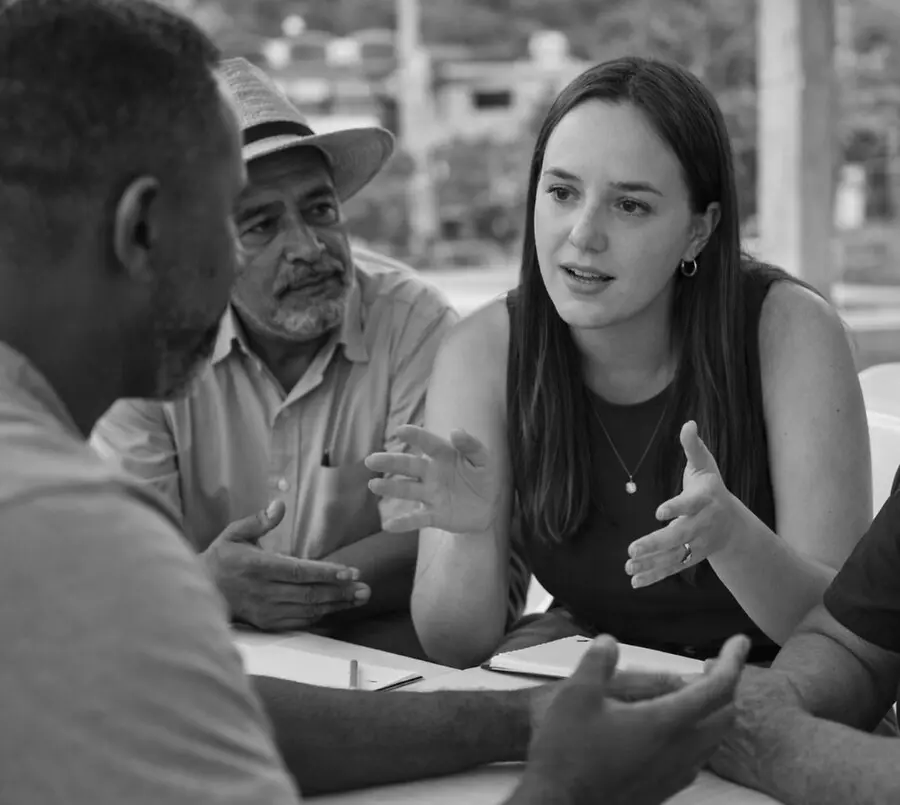
Working with communities is not just about delivering projects or implementing plans—it is about building relationships. Real, lasting impact happens when professionals take the time to listen, understand local realities, and engage with people as partners rather than beneficiaries. Without trust, even the most well-intentioned initiatives risk falling short.
Connecting with communities means showing up with humility and consistency. It requires creating spaces where people feel heard, respected, and valued—especially those whose voices have historically been overlooked. Trust is built gradually through transparency, follow-through, and a genuine commitment to shared goals. When communities see that their knowledge and lived experience shape outcomes, collaboration becomes stronger and more meaningful.
This trust becomes the bridge that connects people to one another and to the process of change. It enables collective ownership, aligns diverse stakeholders, and turns ideas into action. Ultimately, success is not measured only by what is built, but by the relationships strengthened along the way—and by communities that feel empowered to carry the work forward long after a project is complete.
How to Build Trust in Simple Steps
Listen Actively: Prioritize understanding over giving advice. Ask questions and reflect back what you hear.
Be Transparent: Clearly communicate your goals, limitations, and timelines. Honesty builds credibility.
Follow Through: Keep promises, no matter how small. Consistency shows reliability.
Include Local Voices: Involve community members in decision-making and value their expertise.
Show Humility: Acknowledge what you don’t know and remain open to learning from the community.
Celebrate Progress Together: Recognize achievements—both big and small—and share credit.
Maintain Long-Term Engagement: Trust grows when relationships continue beyond a single project.
By following these steps, professionals can transform community work from transactional to relational—building initiatives that last because the people they serve are fully engaged and invested.


