The Tax Truth Behind Pre-Tax Benefit Refunds: Why Returned Contributions Become Taxable Income
Understanding Tax Implications When Refunding Pre-Tax Employee Benefits

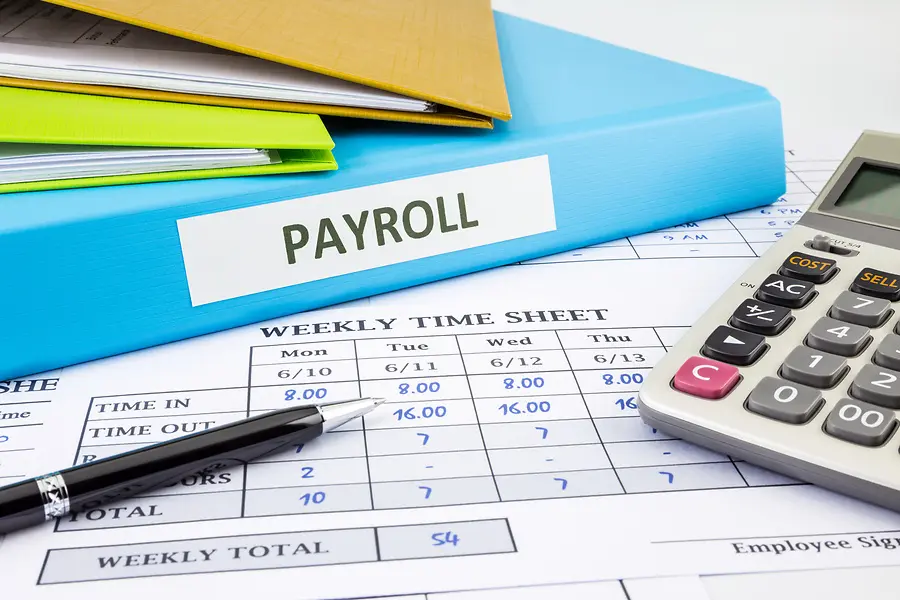
Why Pre-Tax Benefits Become Taxable When Refunding Money to an Employee
When an employee contributes to certain benefit plans—such as healthcare, FSA, HSA, commuter benefits, or other pre-tax deductions—those contributions reduce taxable wages at the time of payroll processing. This tax advantage is built into IRS rules and supported by payroll systems like ADP Workforce Now. However, when a refund is issued for a pre-tax benefit that was previously deducted from an employee's paycheck, the underlying tax treatment changes.
Original Pre-Tax Treatment
A pre-tax deduction lowers:
- Federal Income Tax (FIT) wages
- State Income Tax (SIT) wages, where applicable
- Social Security and Medicare wages (FICA)
That means the employee paid less tax on their wages because the money was set aside before taxes.
Why a Refund Triggers Taxation
When the employee receives the money back—whether due to an enrollment correction, termination timing issue, or an over-deduction—the IRS views that refunded amount as taxable income. Put simply:
The employee should not receive both the tax savings and the refund of the benefit dollars.
If the funds are returned to the employee, they now benefit from those dollars as normal wages, so the taxable wage base must be increased to reflect correct earnings.
How Payroll Ensures Compliance
To correct the tax treatment, payroll must reverse the original pre-tax deduction and reclassify the amount as taxable wages. This is achieved by:
- Voiding or reversing the original check - Updates taxable wage accumulators correctly.
- Reissuing the pay as a taxable earning - Taxes are calculated based on the appropriate quarter(s).
- Refunding the net amount after taxes are withheld - Prevents incorrect W-2 wage reporting.
This ensures accurate:
- W-2 reporting
- 941 / 940 filings
- State/local tax reporting
- FICA compliance
Real-World Example
If an employee had a $200 pre-tax deduction refunded:
DescriptionAmountOriginal deduction lowered taxable wages by$200Refund must now add back taxable wages$200Taxes must be assessed on that amountFIT + SIT + FICA
The employee only receives the net after-tax refund.
Quarter-Specific Compliance
When prior-period adjustments occur, payroll must align the correction with the original quarter. This ensures accurate tax reporting and prevents IRS/state notices.
Consequences of Not Taxing the Refund
Failing to update taxable wages may result in:
- Underreported wages on the W-2
- Incorrect tax withholding
- Employee tax liabilities or amended filings (W-2c required)
- IRS or state agency penalties and notices
Bottom Line
Refunding pre-tax contributions changes the nature of the funds. Once the money is returned to the employee, it becomes taxable income, and payroll is responsible for ensuring the proper tax adjustments are recorded.
✅ No one receives tax-advantaged money and keeps the benefit dollars—the IRS requires accurate taxation.


