The Workforce Behind the Workforce
Why Early Childhood Education Is Critical Infrastructure for Our Communities and Economy

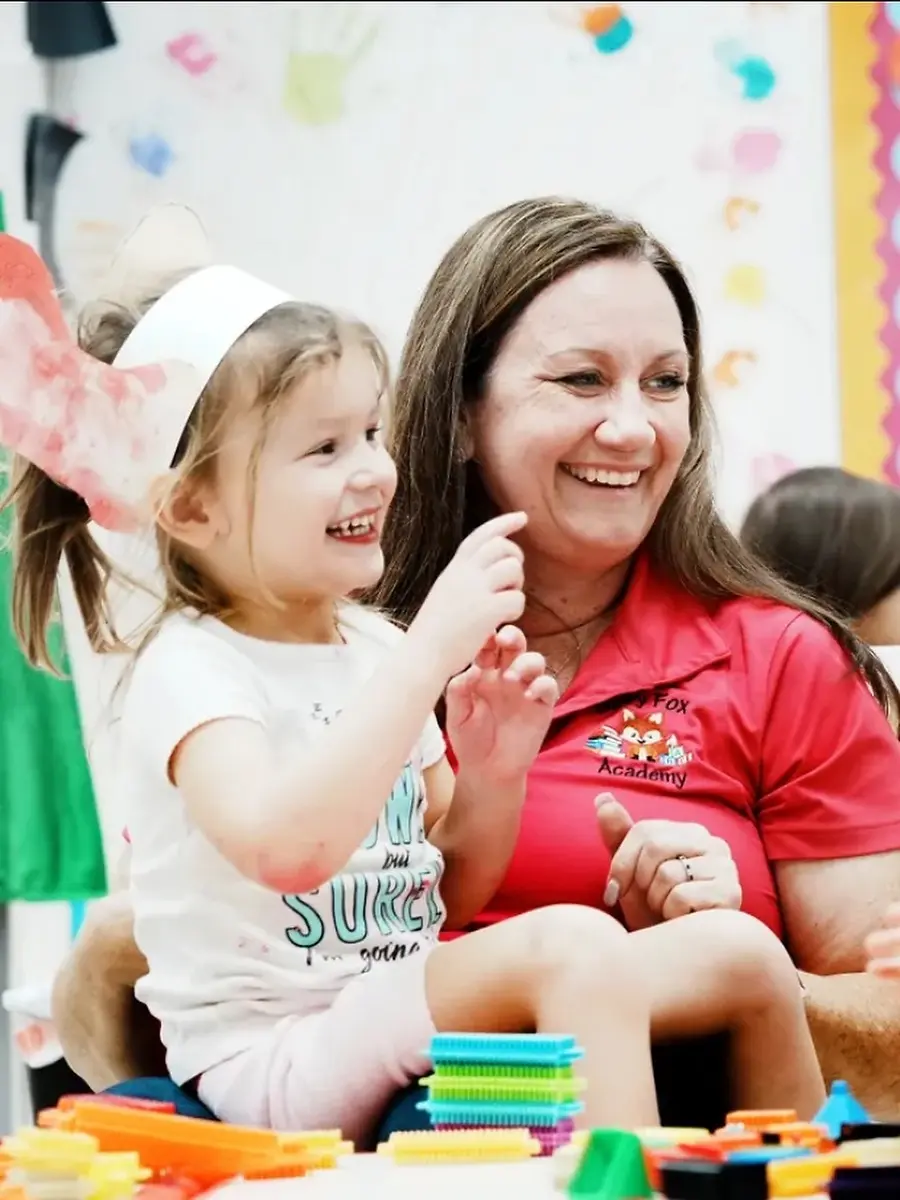
Every morning, before hospitals fully staff their shifts, before teachers enter classrooms, before businesses open their doors, and before countless professionals log into meetings, there is another workforce already at work: early childhood educators.
For far too long, childcare has been treated as a personal family issue instead of what it truly is—essential economic infrastructure. But finally, the conversation is beginning to shift. Business leaders, healthcare systems, policymakers, and community advocates are starting to recognize what those of us in early childhood education have known for years: when childcare systems struggle, entire communities and local economies struggle with them.
This conversation matters because the early years matter—profoundly.
Ninety percent of a child’s brain development occurs before the age of five, and nearly 70% is developed by the age of one. Those statistics alone should fundamentally change the way we view early learning and care. The first years of life are not simply preparation for school; they are the foundation for communication, emotional regulation, relationships, resilience, and lifelong learning.
And yet, many people still misunderstand what high-quality early childhood education actually is.
This work is not glorified babysitting. It is brain development. It is emotional development. It is relationship-building. It is identifying developmental concerns early. It is helping children learn how to regulate emotions, communicate needs, build confidence, problem-solve, and form secure attachments—all while their brains are developing at the most rapid rate they ever will.
One of the most staggering realities is this: approximately 75% of children who enter kindergarten without being developmentally ready—particularly in areas such as social-emotional development, self-regulation, communication, and fine and gross motor skills—will never fully catch up to their peers academically. That statistic should stop every community leader, policymaker, and employer in their tracks.
Kindergarten readiness is about far more than knowing letters, numbers, or colors. It is about whether a child has developed the foundational skills necessary to learn, build relationships, regulate emotions, follow directions, solve problems, and successfully engage in a classroom environment. These early developmental milestones are directly connected to long-term academic outcomes, workforce readiness, and overall lifelong well-being.
At the same time, families are under enormous pressure. Parents across the country are navigating impossible waitlists, rising tuition costs, staffing shortages, and limited access to quality care. Many are forced to reduce work hours, delay career advancement, or leave the workforce entirely because they cannot secure reliable childcare.
And while families struggle to afford care, early educators—the very people helping shape the next generation during the most critical years of development—often remain among the lowest-paid professionals in the workforce.
That contradiction is unsustainable.
As someone who works in this field every day, I believe we are approaching a turning point. More employers are beginning to understand that childcare access directly impacts recruitment, retention, productivity, and employee well-being. More healthcare organizations are exploring employer-supported childcare models. More community leaders are recognizing that workforce development conversations cannot happen without including early childhood education.
This is especially important for women. While caregiving impacts all families, women continue to disproportionately carry the burden when childcare systems fail. We cannot continue having conversations about women in leadership, economic mobility, entrepreneurship, and workforce participation without addressing the systems that make those opportunities possible in the first place.
The reality is simple: childcare is the workforce behind the workforce.
If we want strong communities, stable economies, healthy families, and prepared future generations, we must begin treating early childhood education as the critical infrastructure it truly is. That means investing in educators, supporting families, building sustainable systems, and creating partnerships among businesses, community organizations, and early learning providers.
Because when we invest in early childhood, we are not simply supporting children. We are investing in the long-term strength, stability, and future of our communities.


