
The Wounds You Cannot See
Breaking the silence on domestic violence: One survivor's journey from fear to healing and hope.

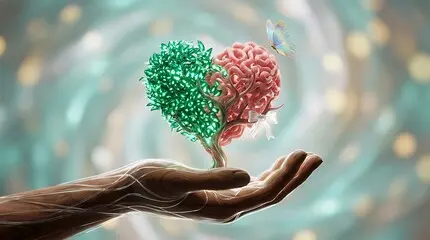
October is widely recognized as Breast Cancer Awareness Month, but it is also Domestic Violence Awareness Month. While one is represented by a pink ribbon and the other by purple, both serve as reminders of the importance of awareness, compassion, and supporting those whose lives have been affected.
Domestic violence is a subject that holds personal meaning for me. It is also a subject that many people find difficult to discuss, particularly when the wounds are not always visible.
Years ago, while attending nursing school, I was involved in a relationship with someone I believed I loved and once considered marrying. Looking back, the warning signs were there long before the physical violence began.
There were threats, intimidation, substance abuse, and moments when I feared for my safety. On one occasion, he nearly threw me out of a car. Yet I remained in the relationship.
Perhaps some of that came from my own childhood experiences, when emotional pain and broken boundaries were already familiar to me. Sometimes, what we have endured in the past can influence what we come to tolerate in the present.
For me, everything changed one evening during an argument over his drug use.
His anger escalated. He threw a pan against the wall, ripped a gold necklace from my neck, and struck me in the head.
I was stunned. Shocked. Angry. I couldn't believe that someone I loved had physically hurt me.
When he turned away, I saw an opportunity to escape. I ran toward the door, but before I could leave, he struck me again, knocking me onto the couch.
That second blow did more than cause physical pain. It crushed my spirit.
My spirit and soul had been broken before, but this time, I feared for my life.
Somehow, I managed to unlock the door and rush down the stairs, screaming for help. A neighbor heard me, opened his door, brought me inside, and called the police.
That night, someone heard my cries when I needed help the most.
When the police arrived, my boyfriend appeared calm and collected, as though nothing had happened. Meanwhile, I was frightened, emotionally shaken, and overwhelmed.
I didn't press charges.
For years, I looked back on that decision with shame. I questioned my judgment and wondered why I had tolerated the warning signs for so long. But as I've grown older, I've come to understand that fear, emotional attachment, and previous experiences can complicate decisions that may seem simple to someone looking from the outside.
There was, however, one decision I never questioned.
I never went back.
Domestic violence is not always as obvious as a bruise or a physical injury. It can begin with threats, intimidation, manipulation, and the gradual erosion of someone's sense of safety and self-worth.
It does not discriminate. Women and men alike can experience abuse, and no one deserves to live in fear of someone they love.
I have also learned that strength is not always measured by how much we can endure. Sometimes it is measured by recognizing when we deserve something better, even when finding a safe way forward seems impossible.
If I could speak to that young nursing student today, the one who sat frightened and emotionally shattered in her neighbor's apartment, I would tell her:
Fight. Don't give up. Let your experiences make you stronger, more determined, and even a little defiant. Continue to care for others, but never forget to care for yourself.
I went on to build a life and a career devoted to caring for others. Yet one of the most important lessons I learned was that compassion should never come at the expense of my own safety and well-being.
As Domestic Violence Awareness Month comes to a close, I share my experiences not for sympathy, but in the hope that some might recognize the warning signs, understand the importance of seeking help, or find comfort in knowing they are not alone.
I also hope it reminds us to listen without judgment. We may never fully understand why someone stays, why they remain silent, or why they struggle to leave. But we can offer compassion, support, and a safe place to turn.
I will always remember the neighbor who opened his door that night. His willingness to help made a difference when I needed it most.
Today, I choose to share my story as a voice for those who have suffered in silence.
The wounds we cannot see are often the ones that take the longest to heal. But they do not have to define the rest of our lives.
And sometimes, giving those wounds a voice is where healing begins.
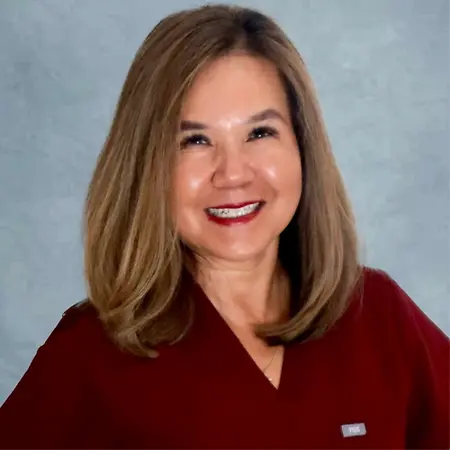
Angie Nordlie is a registered nurse and entrepreneur based in Scottsdale, Arizona with extensive healthcare experience across military, hospital, and outpatient settings. She founded DesertRN LLC, a mobile IV wellness business, after building expertise in medical nursing and pursuing continuous professional development. Her career reflects commitment to patient care, leadership, and entrepreneurship, complemented by…





