
Therapeutic Storytelling: Helping Children Process Emotions Through Books
Using Books and Narratives to Help Children Understand and Express Their Emotions

Therapeutic Storytelling: Helping Children Process Emotions Through Books
Stories have always been more than just entertainment. They've been our companions in the quiet corners of childhood, our lessons in empathy, and sometimes, our guides through the maze of emotion. At Therapeutic Services LLC, we believe in harnessing the power of storytelling to foster emotional growth and healing, especially for children facing emotional challenges.
Why Stories Matter for Emotional Wellness
Children don't always have the vocabulary to describe how they feel. Yet, even at a young age, they experience a broad spectrum of emotions: joy, fear, sadness, jealousy, anger. Telling and reading stories allows children to observe emotions outside themselves, helping them process difficult feelings in a safe, non-threatening way.
The Science Behind Therapeutic Storytelling
Research consistently shows that children process information best when it's presented in story form. Our brains are wired to engage with narratives. Stories activate imagination, foster empathy, and create a framework for understanding complex emotions.
Therapeutic storytelling, using books and narratives purposefully, serves as a mirror and a map for kids:
- A Mirror: Characters reflect a child's own emotional struggles, normalizing their experiences.
- A Map: Plots model healthy ways to navigate fear, sadness, anger, and more.
By seeing their feelings echoed in a character's journey, children realize they're not alone and that their emotions make sense.
Beyond the Therapy Office: Bringing Healing Home
At Therapeutic Services LLC, we know that true growth happens in daily life, outside of therapy sessions. That's why our approach goes beyond clinical talk: we design and recommend therapeutic books, journals, and communication tools that families can use at home, in schools, and out in the community.
Choosing the Right Story
Not all stories are created equal. When selecting books for therapeutic storytelling, consider:
- Relevance: Does the book address the specific emotions or challenges your child is facing?
- Representation: Does the child see themselves in the characters or situations?
- Resolution: Does the story provide a sense of hope and coping tools, rather than leaving the problem unresolved?
Some wonderful story themes for emotional wellness include:
- Adjusting to change (new sibling, moving, school transitions)
- Coping with loss and grief
- Managing anger or big emotions
- Building confidence and self-worth
- Navigating friendships and social struggles
How to Make Storytelling Therapeutic
You don’t need to be a licensed therapist to use stories for emotional support. Here are a few simple strategies:
1. Read Together and Pause Often
Sit with your child and read slowly. Pause to ask questions like, “How do you think [the character] feels right now?” or “What would you do in this situation?”
2. Name the Feelings
If a character is upset, label the emotion: “It seems like Mia is frustrated because her friend wouldn’t listen.” Naming feelings reduces the mystery and stigma around emotions.
3. Connect the Story to Real Life
Share times when you’ve felt the same way as the character. Encourage your child to share similar experiences. This builds trust, vulnerability, and connection.
4. Explore Solutions Together
Talk about how the character handled their problem: “Johnny felt scared, but he asked for help. If you ever feel that way, who could you ask for help?”
5. Repeat the Story
Repetition is key. Children benefit from hearing the same story multiple times. Each retelling offers new opportunities for understanding and expression.
Real-Life Examples: Storytelling in Action
Let’s look at some everyday emotional hurdles and see how storytelling opens up healing conversations.
Dealing with Anxiety
Many children experience worry about school, change, or friendships. Reading a story about a character who overcomes a scary situation can help kids recognize anxiety and brainstorm coping strategies. For example, in “Wilma Jean the Worry Machine” by Julia Cook, Wilma learns simple ways to manage her anxious thoughts, providing practical tips for kids and parents.
Managing Big Feelings
Books like “When Sophie Gets Angry, Really, Really Angry…” by Molly Bang show how anger looks and feels and model positive ways to cope, like taking deep breaths or seeking a safe space. After reading, children feel empowered to express big emotions rather than bottling them up.
Coping With Loss
Grief is heavy for everyone, especially children. Gentle stories like “The Invisible String” by Patrice Karst help make abstract concepts (like ongoing connection after loss) tangible and comforting.
Therapeutic Books & Tools: What We Offer
Our team at Therapeutic Services LLC is passionate about creating and curating resources designed with emotional growth in mind. Here’s what we offer:
- Therapeutic Books: Stories crafted specifically to explore emotional challenges and resilience.
- Journals for Kids: Prompt-based journals to encourage reflection and self-expression.
- Conversation Cards: Tools that spark meaningful dialogue at home or in therapeutic settings.
- Workshops for Caregivers & Schools: Guidance on using these tools for optimal impact.
Visit our website to explore our current collections and learn more about our psychoeducational support products.
Bringing Stories Into Your Daily Life
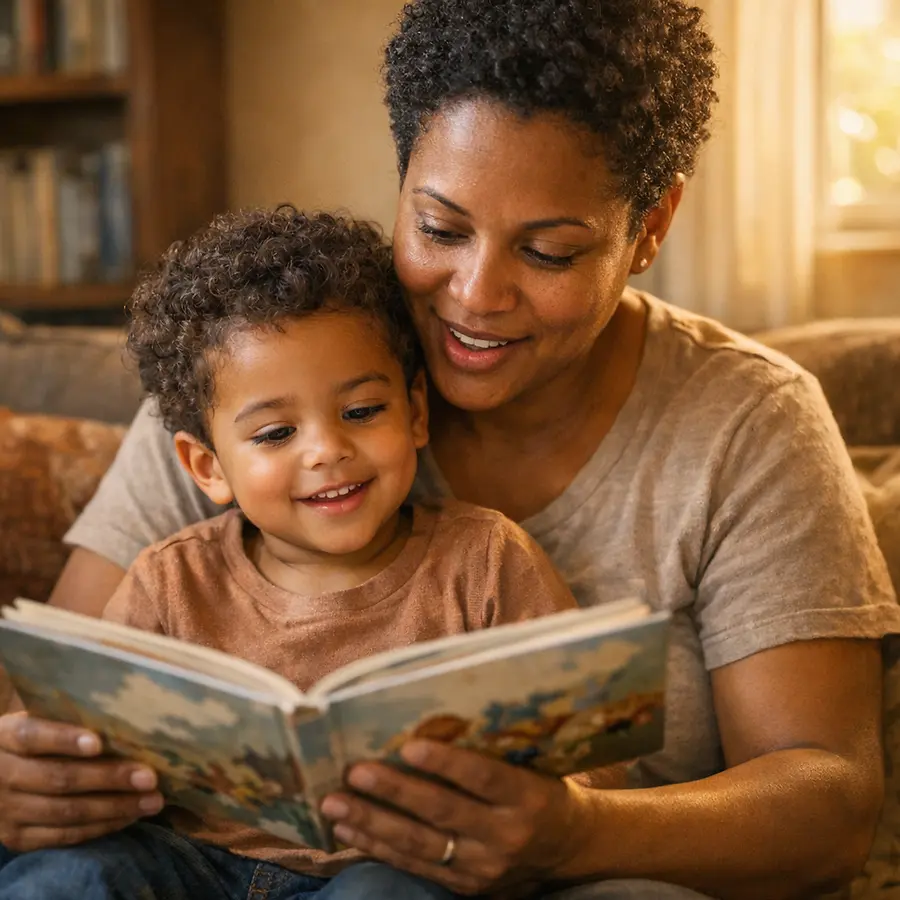
You don’t need to be perfect or have all the answers. Even if you’re simply cuddling on the couch with a book, you’re offering a sense of safety and stability, essentials for emotional healing.
- For bedtime: Try ending the day with a book that gently explores an emotion your child struggled with today.
- During transitions: Pack a special book for car rides, doctor visits, or big changes.
- For tough days: Use stories as entry points when your child seems shut down or upset. It’s an indirect, pressure-free way to check in.
Final Thoughts: The Healing Within Stories
Storytelling is one of the oldest medicines in the world, and it remains one of the most accessible. By sharing books intentionally, you’re sending your child a powerful message: You’re understood, your feelings are valid, and there is hope.
If you’re interested in learning more about therapeutic storytelling, or if you’d like personalized book recommendations for your child’s unique needs, reach out to us at Therapeutic Services LLC. We’re here to support your family’s journey toward emotional wellness, one page at a time.
At Therapeutic Services LLC in Lake Mary, FL, we know mental health support doesn't end when the therapy session does. We’re proud to empower children and their caregivers with resources for resilience, confidence, and meaningful connection.

Eryka Sandridge, MS, LMHC, is a licensed mental health counselor for the state of Florida and for the state of Washington. She is an entrepreneur providing evidence-based therapy to adolescents and adults. She founded Therapeutic Services, LLC in Florida and Therapeutic MH Services, PLLC in Washington, offering compassionate counseling for trauma, anxiety, and depression. Beyond clinical work, Eryka creates…





