Valuable but Not Valued: Recognizing Hidden Worth in Work, Learning, and Life
Why the most valuable people in any room often go unrecognized—and what we can do about it.

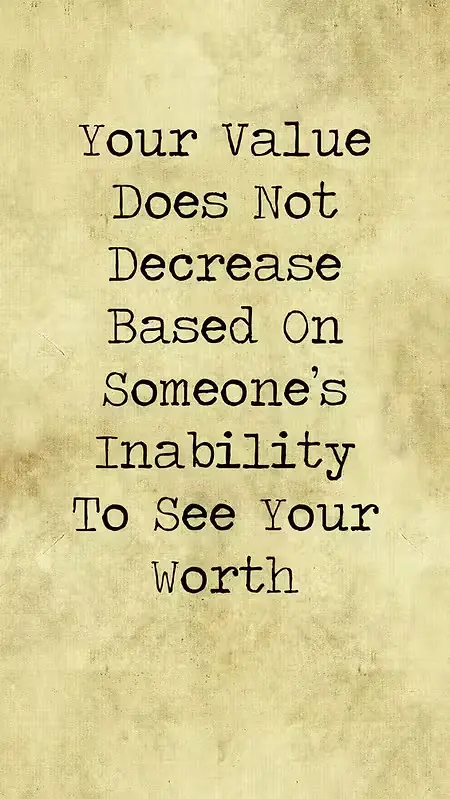
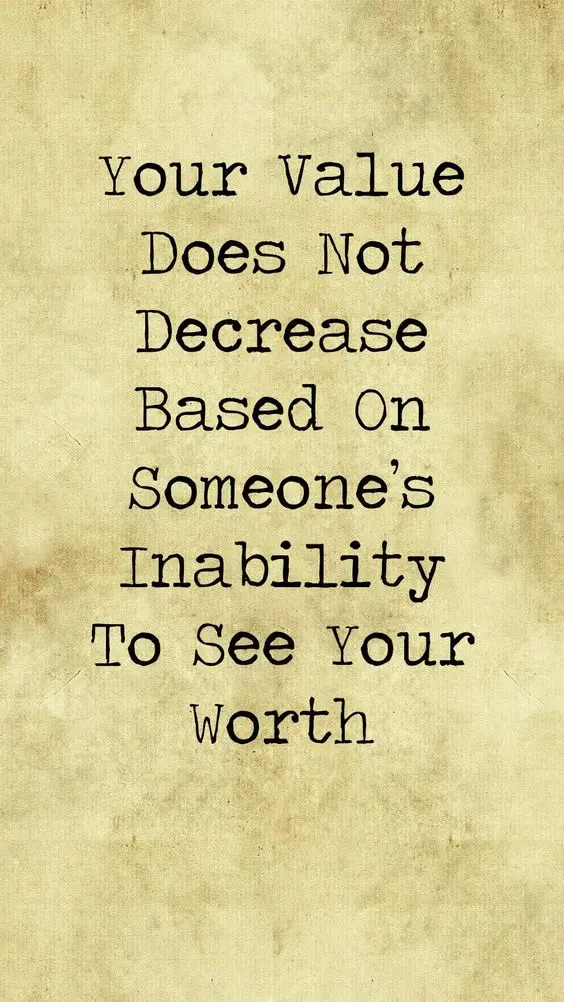
Some of the most useful people in any room are not the loudest, most titled, or most praised. They are the ones who remember what was forgotten, calm what might have escalated, notice who has been left out, fix small problems before they become large ones, and carry knowledge that no system has bothered to record. Their value is real. It often shapes whether a project succeeds, a classroom feels safe, or a relationship stays steady. Yet that value can remain unseen because it does not always look impressive from the outside.
This is the quiet tension behind being valuable but not valued. A skill, trait, or contribution can matter deeply and still go unnamed, unpaid, ungraded, or unthanked.
That gap can wear people down. It can also distort how groups measure success. When hidden value goes unnoticed, people may stop offering it. Work becomes colder. Learning becomes narrower. Relationships become more transactional.
Recognizing hidden worth is not just a matter of kindness. It is a matter of accuracy.
Not all meaningful work comes with applause.
Some value is hard to measure
Many systems reward what is easy to count. Sales closed. Grades earned. Hours billed. Awards won. Followers gained. Boxes checked. There is nothing wrong with counting clear outcomes. The trouble starts when measurable work becomes the only work that seems to matter.
Some contributions are harder to see because they prevent problems rather than produce visible results. A person who keeps a team from making a poor decision may not have a flashy win to show. A student who helps classmates understand the material may not get a higher grade for doing it. A friend who listens with patience may never receive credit for the conflict that did not happen because someone felt heard.
Hidden value often shows up in forms like:
- Emotional steadiness that helps others think clearly under stress.
- Practical memory about how things actually get done.
- Pattern recognition that spots risks before they become obvious.
- Care work that supports people, spaces, and relationships.
- Bridge-building between people who do not naturally understand each other.
- Moral courage that names a problem others would rather ignore.
- Consistency that keeps promises alive after excitement fades.
These traits may not look dramatic. They often look ordinary. That is part of the problem.
We tend to praise the dramatic rescue more than the quiet prevention. We notice the person who fixes the emergency, not always the person who kept ten other emergencies from forming.
Hidden worth in the workplace often carries invisible weight
In many workplaces, official job descriptions tell only part of the story. The rest lives in habits, favors, instincts, and informal roles.
There is the person who explains the unwritten rules to new employees. The person who remembers why an old process exists. The person who can sense when a customer is confused before the complaint arrives. The person who notices when a coworker is overwhelmed and quietly helps redistribute the load.
None of this may appear in a performance review.
A common example is the "glue person." This person may not have the most visible title, yet they hold the group together. They follow up, translate between personalities, calm friction, and catch loose ends. When they are present, things feel smoother. When they leave, everyone suddenly discovers how much they carried.
Another example is the employee who asks careful questions. In some work cultures, speed gets mistaken for skill. The person who slows down to ask, "What problem are we solving?" may seem difficult at first. Later, their caution may save weeks of wasted effort.
The same applies to institutional knowledge. A longtime staff member might know which vendor responds quickly, which form always causes delays, or which client prefers a phone call before a contract change. That knowledge may not sound impressive until it disappears.
When workplaces fail to value these contributions, several things can happen:
- People who do invisible work burn out because the load grows without recognition.
- Teams repeat mistakes because hidden knowledge was not documented.
- Promotions go to visible performers while stabilizers remain stuck.
- The culture rewards self-promotion more than real contribution.
- Quietly skilled people leave, and leaders underestimate the loss.
Pay and praise are not the same thing, but both matter. Recognition without fair compensation can feel hollow. Compensation without respect can feel cold. People need both a fair measure of their effect and a clear sense that others see what they bring.
Education can miss the skills students need most
Schools often measure learning through tests, grades, essays, projects, and participation. These tools can reveal real strengths. They can also miss many others.
A student may be brilliant at helping peers understand a hard concept but freeze during timed tests. Another may notice patterns in a science lab but struggle to write polished answers. A child may show deep curiosity through questions that do not fit the lesson plan. A teenager may carry heavy family responsibilities that build discipline, empathy, and problem-solving, even if those strengths never appear on a report card.
Education can accidentally send a narrow message: the valued student is the one who performs well in visible, approved ways.
That message can follow people for years.
A person who was never praised in school may assume they are not smart, when the truth is more specific. Maybe their intelligence was practical, spatial, relational, musical, mechanical, reflective, or slow-burning. Maybe they needed more time. Maybe they learned best through doing. Maybe they saw connections that the grading system was not designed to reward.
This does not mean standards should disappear. Students need feedback, challenge, and skill-building. But a richer view of value helps more people grow.
A classroom gains depth when it recognizes:
- The student who asks the question everyone else was afraid to ask.
- The student who includes the classmate sitting alone.
- The student who learns slowly but remembers deeply.
- The student who notices when an explanation does not make sense.
- The student who creates, repairs, organizes, or observes with unusual care.
When education values only speed, polish, and compliance, it risks missing the thinkers, makers, helpers, and questioners who may contribute greatly in less obvious ways.
Learning often happens through patient attention.
Personal relationships depend on unseen contributions
Hidden value may be most intimate in personal life. Families, friendships, and partnerships run on thousands of small acts. Many of them are easy to miss because they are woven into daily life.
Someone remembers birthdays, food preferences, allergies, appointments, worries, and old wounds. Someone checks in after a hard conversation. Someone senses when humor would help, or when silence would be kinder. Someone keeps the peace at gatherings. Someone notices the trash is full, the mood has shifted, or the child is trying not to cry.
This work can be deeply valuable. It can also become deeply uneven. In relationships, unrecognized value often shows up as resentment. The person carrying the invisible load may not want praise for every small act. They may simply want others to notice that the acts exist.
A partner who plans meals, tracks school forms, buys gifts, schedules repairs, maintains family ties, and anticipates needs is not "just organized." They are doing cognitive and emotional work. A friend who always listens but is never listened to may start to feel less like a friend and more like a service. A family member who smooths conflict may eventually lose touch with their own needs.
The danger is not only that one person feels unappreciated. The relationship itself becomes less honest. One person receives care without seeing its cost. The other gives care without being fully known.
Healthy relationships need more than gratitude in passing. They need shared awareness. They need the courage to ask, "What have I stopped noticing because someone else always handles it?"
Why people overlook real value
People miss hidden worth for many reasons, and not all of them are cruel.
One reason is familiarity. When someone always does something well, others may stop seeing the effort behind it. Reliability can make labor invisible.
Another reason is bias. Some contributions are dismissed because of who offers them. People may undervalue work associated with caregiving, patience, support, or administration. They may also overlook people because of age, race, gender, disability, class, accent, body type, or personality style. Quiet people may be mistaken for less capable. Direct people may be labeled difficult when they are pointing out real risks.
A third reason is status. People often assume the person with the title has the most value in the room. Titles can reflect expertise, but they do not capture every kind of intelligence. Insight can come from the person closest to the problem, not only the person highest in the hierarchy.
A fourth reason is storytelling. People remember clear stories. Someone who can describe their work in confident language may seem more valuable than someone whose work is complex, subtle, or hard to summarize.
That last point matters because recognition is not only about what others notice. It is also about what people are taught to name.
The cost of being unseen
Being undervalued is not just disappointing. Over time, it can change how people behave. Some people withdraw. They stop volunteering ideas because no one listened before. Some reduce their effort to match the recognition they receive. Some begin to doubt their own judgment. Others overwork, hoping that doing more will finally make their value clear. That pattern can become painful. The person gives more, receives little recognition, feels unseen, and then gives even more to prove their worth. This can lead to exhaustion and bitterness.
Groups pay a price too.
A workplace that ignores hidden value loses trust. A school that values only one kind of achievement narrows ambition. A family that overlooks care work teaches its members that love means silent labor. A friendship that depends on one person's emotional availability without returning it becomes fragile. When people feel unseen, they may not leave right away. Often, they leave internally first. They stop bringing their full attention. They stop offering the careful thought that once protected the group. By the time others notice, the loss has already begun.
Naming your value is not arrogance
Many people struggle to advocate for their worth because they fear sounding self-centered. This is especially true for people who were taught that good work should speak for itself. Sometimes it does. Often, it does not. Naming your contribution is not the same as exaggerating it. It is a way of making reality easier for others to see. A helpful first step is to track what you actually do. Keep a simple record of moments when your action made a difference. This can include problems solved, people helped, risks reduced, processes improved, or care provided.
The point is not to create a brag sheet. The point is to gather evidence.
Look for patterns. Maybe you are the person who brings order to confusion. Maybe you catch errors early. Maybe people come to you because you explain things clearly. Maybe you help groups make better decisions because you notice what others skip. The goal is not to demand applause. The goal is to create a more accurate picture.
How to advocate for your worth with clarity
Advocacy works best when it combines self-respect with specific evidence. Vague frustration is human, but it can be hard for others to respond to. Clear examples invite clearer conversations.
Try these steps:
Name the contribution.
Be specific about what you do. Avoid shrinking your role with words like "just" or "only."
Connect it to an effect.
Explain why it matters. Did it save time, prevent confusion, support someone's growth, reduce conflict, or improve quality?
Learning to see hidden value in others
It is easy to focus on being undervalued and forget that everyone misses things. Each person has blind spots. Recognizing hidden worth in others requires attention. Start by noticing what changes when someone is absent. Does the group become more tense? Do details fall through? Do people feel less included? Does the pace slow because no one knows the practical steps?
Listen to who translates, remembers, repairs, comforts, questions, and steadies. These actions may look small, but they often hold the structure together.
Give specific appreciation. "Thanks for your help" is pleasant. "The way you explained that made it easier for everyone to join the conversation" is better. Specific praise teaches people that their contribution was seen.
Share credit when it belongs to others. If someone's quiet idea shaped the final result, say so. If someone prepared the ground for success, name that work.
In personal relationships, ask better questions:
- What am I benefiting from that I rarely acknowledge?
- Who keeps things running smoothly?
- Which forms of care have I mistaken for personality rather than effort?
- Where have I confused quietness with lack of need?
Seeing value is a practice. It asks for humility. It asks people to look beyond performance and pay attention to contribution.
A fuller measure of worth
No one should have to become loud to be seen. No one should have to burn out before others recognize their effort. No one should have to translate every quiet strength into a number before it counts.
Still, the world often notices what is named. That means two things can be true at once: people deserve to be valued without constant self-defense, and learning to describe one's contribution is a useful act of self-respect. Worth is larger than visibility. It lives in patience, craft, memory, care, courage, honesty, and attention. It lives in the person who cleans up without being asked, the student who thinks differently, the worker who prevents mistakes, the friend who listens well, and the family member who carries the details no one else tracks.
The next step is simple, though not always easy. Notice one hidden contribution today, in yourself or someone else. Name it clearly. Treat it as real. What is valuable should not have to remain invisible.

Astrid F. Kowlessar is a Senior Project Manager with expertise in IT, finance, and fintech since 2009, holding degrees in Economics and Finance from Barry University. She currently project manages via Oscar Technology Inc. She specializes in IT project management, payment systems, and financial services, with certifications as a Scrum Master and Product Owner. Beyond her professional achievements, Kowlessar is…