Veterans Need Support After Veterans Day Is Over
True support for veterans extends far beyond one day of recognition.

Veterans Day: Honoring Those Who Served Means Supporting Them All Year
Tomorrow is Veterans Day. There will be ceremonies, flags, free meals, discounts, and plenty of posts thanking veterans for their service. All of that is good. Veterans deserve to be recognized.
But when Veterans Day is over, many veterans will still be dealing with things that do not go away when November 11 ends.
Some veterans are living with depression, anxiety, post-traumatic stress, grief, substance use, injuries, or problems sleeping. Some are having a hard time adjusting to civilian life. Others may be dealing with unemployment, housing problems, loneliness, or feeling like nobody really understands what they went through.
Not every veteran has a mental health condition, and we should not assume that every veteran who served is struggling. At the same time, we should not ignore the veterans who are.
Sometimes the signs are easy to miss. A veteran may start staying away from family and friends. They may become more irritable, stop doing things they normally enjoy, drink more, have trouble sleeping, or seem like they are always on guard. They may still go to work and handle their responsibilities, so people around them may not realize that something is wrong.
That is why support has to be more than saying, "Thank you for your service."
Sometimes support means checking in and actually waiting for the answer. It may mean saying, "I've noticed you haven't seemed like yourself lately. How are you really doing?" It may mean listening without trying to fix everything or asking questions that make the person feel like they have to explain or defend their experience.
Veterans may also have a hard time asking for help. Some were taught to be strong, keep moving, and handle whatever came their way. That mindset may have helped them during their military service, but it can make reaching out difficult later.
Getting help does not take away from a veteran's strength. It does not erase their service or mean they failed. It simply means they should not have to carry everything alone.
Families need support too. Spouses, children, parents, and caregivers may notice the changes but not know what to say or where to turn. They may be trying to support someone while also dealing with their own stress, fear, and exhaustion.
Veterans Day gives us an opportunity to honor those who served. It should also remind us to pay attention to what happens after the speeches, parades, and social media posts.
Check on the veterans in your life throughout the year. Invite them somewhere. Help them find a resource if they need one. Sit with them without making them talk. Sometimes simply letting someone know they have not been forgotten can make a difference.
A "thank you" matters, but continued support matters too.
Resources for Veterans and Families
VA Mental Health Services: Veterans can learn about help for PTSD, depression, anxiety, grief, military sexual trauma, substance use, and other concerns at va.gov/mental-health. Some services are available even if the veteran is not enrolled in VA health care.
Vet Center Call Center: Veterans, service members, and their families can call 1-877-927-8387 any time to speak confidentially with someone about military experiences, adjusting to civilian life, or other concerns.
988 Suicide & Crisis Lifeline: Anyone experiencing suicidal thoughts or serious emotional distress can call 988 or text 988 for immediate support.
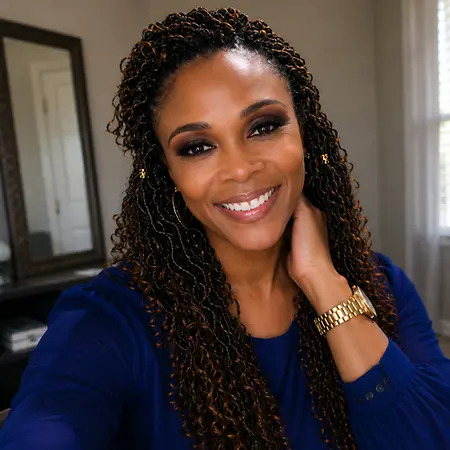
Jennifer Moore,Th.D is a Qualified Mental Health Professional and Certified Peer Support Specialist dedicated to mental health advocacy and empowering individuals to overcome challenges. With a passion for service since 2005, Dr. Moore manages a caseload of 27 clients, provides forensic peer support in local jails, and provides supervision, training, and mentorship to peer support specialists. She is also a member…