What Happens When Tears are Repressed
Why Holding Back Tears Takes a Real Toll on Your Body and Mind

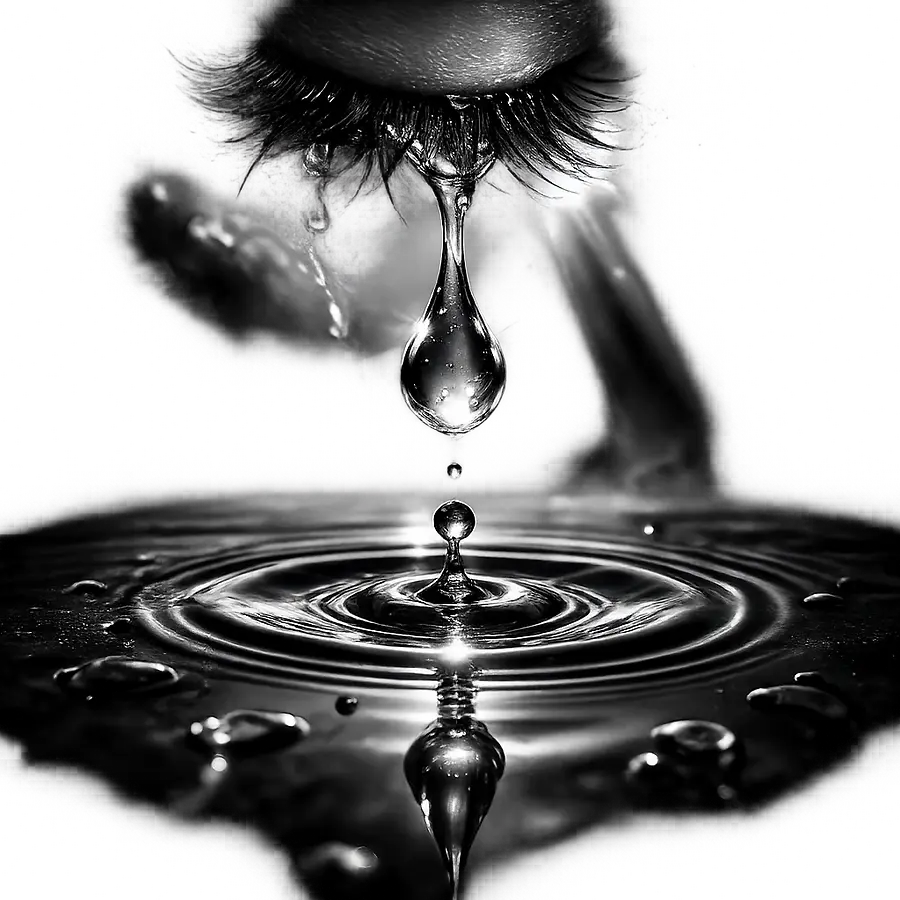
Repressing tears isn’t just “holding it together.” Crying is a natural emotional and physiological release, and when it’s consistently suppressed, both the body and mind can feel the effects.
Here’s what actually happens:
🧠 Mental & Emotional Effects
1. Emotional pressure builds
Tears are one of the body’s ways of releasing intense emotion. When you hold them back:
• Feelings don’t disappear — they are stored in the nervous system
• Stress, grief, anger, or overwhelm can accumulate internally
• This can lead to emotional numbness or sudden emotional outbursts later
Think of it like a pressure valve being kept closed.
2. Increased anxiety and irritability
Suppressing tears activates the sympathetic nervous system (fight-or-flight response). Over time, this can cause:
• Heightened anxiety
• Restlessness
• A short temper
• Feeling emotionally “on edge”
Crying, on the other hand, helps activate the parasympathetic nervous system (rest-and-regulate response).
3. Higher risk of depression
Consistently repressing emotions can:
• Create emotional disconnection
• Increase feelings of isolation
• Contribute to depression or burnout
When emotional expression is blocked, the mind often turns inward in rumination.
🫀 Physical Effects on the Body
1. Increased stress hormones
When you stop yourself from crying:
• Cortisol (the stress hormone) remains elevated
• Heart rate and blood pressure may stay higher
• Muscles remain tense longer
Emotional tears actually contain stress hormones — crying helps release them.
2. Muscle tension and pain
Unreleased emotion often shows up physically:
• A tight jaw or throat (“lump in the throat” feeling)
• Neck and shoulder tension
• Headaches or migraines
• Chest heaviness
Many people quite literally hold emotion in the body.
3. Nervous system overload
Crying helps regulate the nervous system. Without that release:
• You may remain in fight-or-flight mode longer
• Sleep can become disrupted
• Fatigue increases
• The immune system may weaken over time
4. Shallow breathing
When you suppress tears, you also suppress your breath:
• Breathing becomes shallow or held
• Oxygen flow decreases
• The body stays in a guarded state
A good cry often resets breathing into deeper, more regulated rhythms.
🌧️ Why crying is actually healthy
Emotional tears:
• Release stress hormones
• Trigger calming endorphins
• Help regulate the nervous system
• Support processing of grief and change
• Create emotional clarity
That sense of relief after crying reflects a real biochemical shift.
🌱 A gentle truth
Repressing tears occasionally is normal — especially in public or professional settings.
But chronically holding them in can create emotional and physical congestion in the body.
Crying is not weakness.
It is nervous system regulation and emotional release.