What Pollinators Can Teach Us About Self-Awareness
How the small moments we share with others shape the world around us.

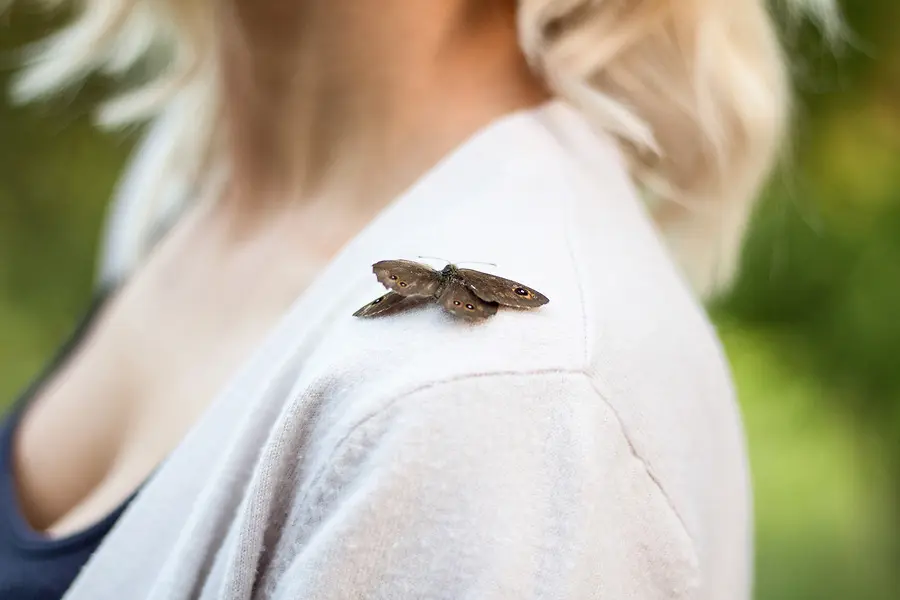
The Human Pollinator
When people think about bees, they often think about honey. When they think about butterflies, they often think about beauty. What we commonly overlook is the role these creatures play as pollinators. As they move from flower to flower in search of nectar, pollen clings to their bodies and is carried to the next plant. Without intending to, they become part of a much larger process. Entire ecosystems depend on these countless small interactions occurring every day.
A pollinator doesn't set out to create a field of wildflowers or a thriving orchard; it simply goes about its business. Yet, because of the way it moves through the world, growth happens all around it.
The more I've thought about pollinators, the more I see human beings functioning in much the same way. Most of us move through our days focused on our own responsibilities, goals, and challenges. We go to work. We have conversations. We send emails. We interact with family members, friends, neighbors, clients, colleagues, and strangers, yet we rarely stop to consider that every interaction carries something with it:
- A comment
- A tone of voice
- A moment of patience
- A moment of frustration
- An encouraging word
- A dismissive glance
- A genuine expression of gratitude
- A failure to listen
Like pollen, these things travel with us. They transfer from one interaction to the next, often in ways we never fully see.
Think about the people who've had a lasting positive impact on your life. Chances are, very few of them intended to shape your future in some grand way. More likely, they showed up consistently. They listened when you needed to be heard. They believed in you when you doubted yourself. These are the people who offered a piece of advice at the right moment. They modeled a way of being that stayed with you long after the interaction ended.
Now consider the opposite. Most of us can also remember a careless comment, a stifling manager, a critical parent, a dismissive colleague, or a friend who made us feel invisible. Those experiences have a way of lingering, too. The reality is that we're constantly influencing one another, whether we mean to or not.
Yet most of us have very little awareness of the impact we're having. We know our intentions. We know what we meant to say. We know the pressures we're under and the reasons behind our actions. What we don't always know is how those actions land with others. That's where self-awareness becomes so important.
Self-awareness isn't simply understanding your personality, your strengths, or your preferences; it's understanding your impact, too. It's developing a clearer picture of what people experience when they interact with you and becoming curious about the difference between who you intend to be and how others actually experience you. This is one of the reasons we believe feedback matters.
Without feedback, we're left to guess. We assume our kindness is being felt. We assume our communication is clear. We assume our good intentions are enough—sometimes they are, and sometimes they're not. Feedback gives us a chance to see ourselves through a different lens. It helps us understand not only what we're carrying, but also what we're leaving behind.
Pollinators don't move through the world perfectly, and neither do we. The goal is awareness. When we become more aware of our impact, we gain the ability to be more intentional. We can choose what we want to cultivate in our relationships, workplaces, communities, and families.
At InnerVue, we often ask the question: What's it like to be on the other side of me?
The question matters because every one of us is a pollinator of sorts. Every day, we carry attitudes, beliefs, emotions, and behaviors into our interactions with others. We leave traces of ourselves behind. We contribute to the environments we inhabit. Unlike the bee, we have the ability to reflect on our impact and make conscious choices about what we want to spread.
The world doesn't change only through major achievements, titles, or accomplishments. More often, it changes through the countless interactions that shape how people feel, think, and behave. The question isn't whether you're influencing the people around you.
You are.
The question is: What are you helping grow?