What Twenty Years in Finance and Operations Can Bring to Public Education
Why diverse expertise on school boards strengthens governance and student outcomes.

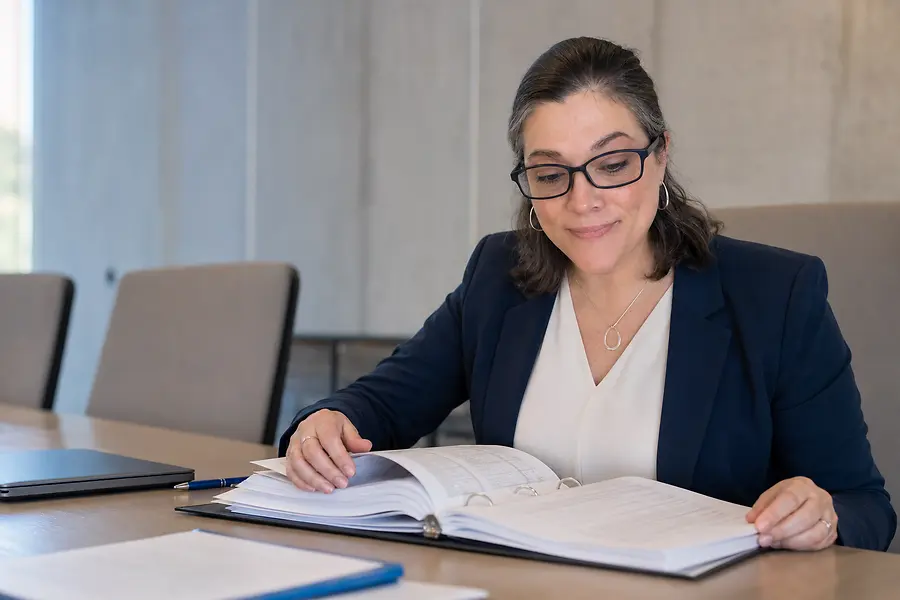
A school board should include people who understand education from different perspectives.
Teachers bring invaluable knowledge of what happens inside a classroom. Parents understand how decisions affect children and families. Other members may contribute experience in law, mental health, public policy, finance, business, or organizational leadership.
Strong boards need all of those perspectives.
My Experience
My own experience comes from more than twenty years in finance, operations, human resources, compliance, and executive leadership.
I have helped organizations work through difficult budgets, identify inefficiencies, improve internal systems, manage competing priorities, and make responsible decisions with limited resources.
Those skills matter in public education.
A Board of Education does not write lesson plans or manage individual classrooms. Its responsibility is governance: setting policy, adopting a budget, evaluating the superintendent, monitoring results, asking difficult questions, and ensuring that public resources are producing meaningful outcomes for students.
Those are responsibilities I understand.
My experience with education is also deeply personal. As the mother of two neurodiverse children, I have spent years working with teachers, administrators, school psychologists, therapists, specialists, and support staff. I have participated in difficult meetings, navigated complex educational systems, advocated for appropriate services, and seen how decisions made far from the classroom ultimately affect a child sitting inside it.
That experience taught me to listen carefully, prepare thoroughly, ask specific questions, and keep working when the answer is not simple.
It also taught me that supporting educators and demanding accountability are not opposites. We can respect the professionals doing the work while still examining programs, spending, staffing, and results. We can advocate for the resources our schools genuinely need while ensuring that taxpayer dollars are used responsibly. We can collaborate without becoming a rubber stamp.
I am honored when educators, parents, and community organizations place their confidence in me. But an endorsement is not ownership of my vote. Every decision I make will be based on the evidence, the financial realities, community input, and one central question:
What is best for students?
I am not running to tell teachers how to teach. I am running to help ensure that they have clear policies, responsible leadership, appropriate resources, and a school system capable of turning its commitments into results.
Effective governance requires more than one kind of experience. I would bring the perspective of a parent, advocate, business owner, and financial and operational leader, and I believe that perspective is needed at the table.