When Leadership Becomes Stewardship
Why the most influential women eventually stop asking what they can achieve and begin asking what they have been entrusted to protect, develop, and leave behind.

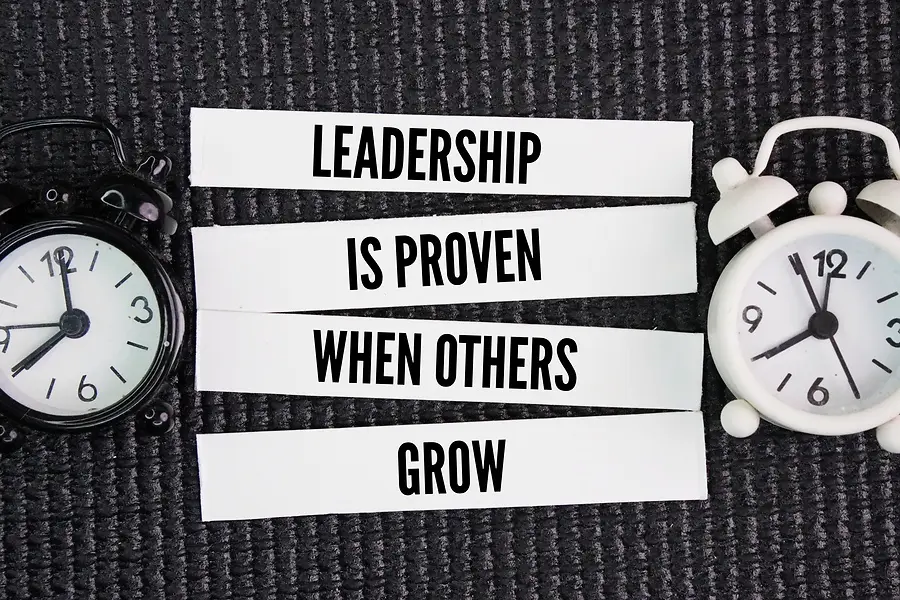
Leadership as Stewardship
Most people begin their leadership journey focused on achievement.
They work hard to develop their skills, earn credibility, build expertise, and create opportunities. Success is often measured by goals reached, milestones achieved, and obstacles overcome. These pursuits are not only natural—they are necessary. Growth requires effort, commitment, and a willingness to improve.
Yet something interesting happens as influence expands.
The questions begin to change.
Instead of asking, “What can I accomplish?” influential women often find themselves asking, “What am I responsible for?”
That shift may appear subtle, but it changes the entire nature of leadership.
It marks the point where leadership begins to evolve into stewardship.
Stewardship is not a word frequently used in modern leadership conversations, yet it may be one of the most important. At its core, stewardship recognizes that influence is not merely something to possess—it is something to manage wisely. It views opportunities, relationships, resources, and responsibilities not as personal property, but as trusts placed in one’s care.
This perspective creates a different kind of leader.
A steward understands that people are not simply employees, volunteers, students, or followers. They are individuals whose growth, well-being, and development matter. Success is no longer measured solely by what the leader accomplishes, but by what happens to the people entrusted to her influence.
That distinction is significant.
Leadership often focuses on movement.
Stewardship focuses on preservation and development.
Leadership asks how to reach the destination.
Stewardship asks what must be protected along the journey.
The most influential women understand that accomplishing goals and caring for people are not competing priorities. They are interconnected responsibilities. Results matter, but so do relationships. Progress matters, but so does integrity. Growth matters, but so does the manner in which it is achieved.
This is where stewardship reveals its power.
It encourages leaders to think beyond immediate outcomes and consider long-term impact. Decisions are evaluated not only by whether they produce success today, but by whether they create value tomorrow. Stewardship introduces a sense of responsibility that extends beyond the present moment.
Perhaps this is why many respected women leaders become increasingly intentional over time. They recognize that influence creates opportunities to shape more than results—it creates opportunities to shape culture, character, confidence, and future leadership.
In many ways, stewardship is an investment in things that cannot always be measured immediately.
It is found in mentoring future leaders.
Creating opportunities for others to succeed.
Protecting trust.
Developing talent.
Preserving values.
Strengthening relationships.
These efforts may not always generate headlines, but they often produce lasting impact.
Years later, people rarely remember every project completed or every goal achieved. They remember how they were treated. They remember who believed in them. They remember who created opportunities for them to grow. They remember the leaders who cared about more than outcomes.
That is the legacy of stewardship.
It extends beyond accomplishment and enters the realm of enduring influence.
The women who embrace stewardship understand something important: leadership is temporary, but impact can be lasting. Titles change. Positions end. Responsibilities evolve. Yet the lives touched through thoughtful stewardship often continue carrying that influence forward for years to come.
Perhaps that is why the most influential women eventually stop measuring success solely by what they build.
Instead, they consider what they are leaving behind.
Not simply organizations.
Not simply achievements.
But people who are stronger, wiser, more capable, and more confident because someone chose to steward influence well.
In the end, leadership reaches its highest expression when it becomes stewardship. It is no longer defined solely by authority, accomplishment, or recognition. It becomes a commitment to care for what has been entrusted to one’s influence and to leave it better than it was found.
And that may be one of the most enduring forms of leadership a woman can ever provide.


