Why I Kept All Three Names
Building bridges between grief and healing for Assyrian, Chaldean, and Syriac communities.

My father's family home in Tel Keppe, Iraq, was empty when I arrived. White handprints marked the wall outside. A rusty metal address sign was still fastened to it. I was crying and trying to pull the sign free when a group of children came over. One came back with a hammer, and our driver pried it off the wall. I'd grown up in Michigan hearing my father's stories about Tel Keppe. Now I had a piece of the house I could hold.
In 2023, I reported on the wedding hall fire in Bakhdida for The Chaldean News. Families across the diaspora were following what had happened to people they knew and places they loved. I could ask questions and get what I learned into print. When I founded a mental health organization after the fire, I had another question: Where could someone take the grief that was still there when the article ended?
I named it Assyrian Chaldean Syriac Mental Health. It's a mouthful, especially for a journalist trained to cut words. I kept all three because I wanted a woman who recognized the name her family uses to know she could come to us for help.
In 2024, I led a mental health workshop for young people at Mar Narsay Church in Duhok. The parish had a relationship with them long before I came to lead a workshop. We could talk about mental health in a place they already knew. I carry that with me in our work in the diaspora. When a woman wants to find a clinician who understands why language or faith matters to her, I can help her look through our provider directory.
I carried that old sign home. When someone finds us through a name she's heard all her life, I want her to have something to take with her, too: the date of a workshop she can text to a friend or the number of a provider she can call when she feels ready.
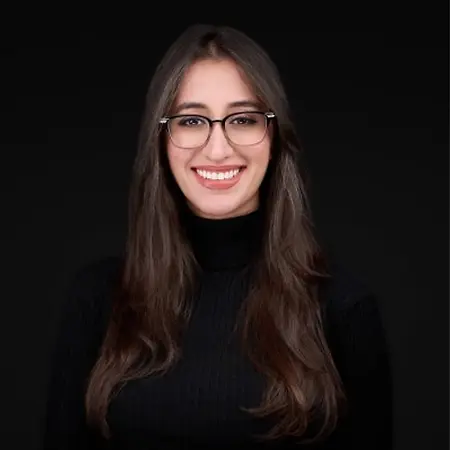
Christina Salem is a nonprofit director and journalist dedicated to mental health advocacy within Assyrian, Chaldean, and Syriac communities. As founder of ACSMH, she develops culturally informed mental health resources and programs for marginalized communities. With a journalism degree from Oakland University and diverse professional experience, Christina combines storytelling with community advocacy to reduce…