Why Payroll Auditing is Critical for Business Success
Safeguarding Your Business: Why Regular Payroll Audits Are Essential for Financial Integrity and Compliance

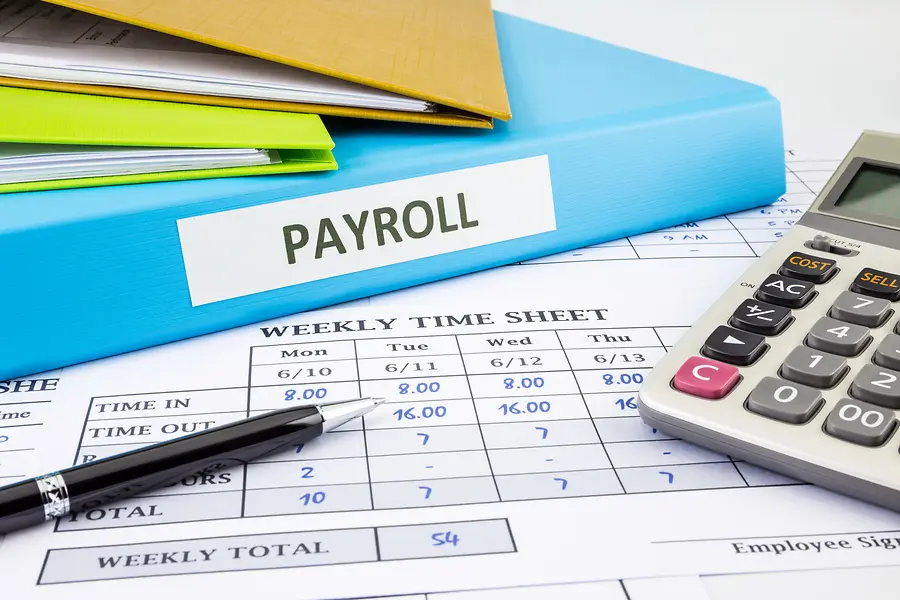
Payroll auditing is an essential process for any organization that wants to maintain financial integrity, prevent fraud, and ensure compliance with legal and tax regulations. Businesses that neglect regular payroll audits risk financial discrepancies, legal penalties, and a decline in employee trust. Here's why payroll auditing is critical and how it benefits an organization.
1. Preventing Payroll Fraud and Errors
Payroll fraud is a major concern for businesses, particularly for those with large employee bases. Common payroll fraud schemes include ghost employees, inflated hours, and unauthorized raises. Regular payroll audits help organizations detect and prevent fraudulent activities before they become significant financial burdens.
Even in the absence of fraud, human errors can lead to costly mistakes, such as incorrect pay rates, misclassified employees, or overlooked deductions. A payroll audit helps identify these errors and ensures that employees receive accurate compensation, reducing potential disputes.
2. Ensuring Compliance with Tax and Labor Laws
Businesses are required to comply with a variety of tax laws, labor regulations, and employment standards. Errors in payroll processing can lead to legal consequences, fines, and reputational damage. Auditing payroll records ensures that tax withholdings, benefits, and overtime calculations are correctly applied.
Additionally, misclassifying employees as independent contractors instead of full-time employees can result in significant penalties. A thorough payroll audit ensures proper classification and compliance with wage and hour laws, avoiding costly legal challenges.
3. Protecting Company Finances
Payroll is one of the largest expenses for most businesses, and even small discrepancies can accumulate into substantial losses over time. Payroll audits help businesses track financial leaks, identify inefficiencies, and optimize payroll processing.
By ensuring that all payments align with employment agreements, companies can prevent financial mismanagement and enhance overall budget accuracy. This allows businesses to allocate resources effectively and sustain financial stability.
4. Boosting Employee Trust and Satisfaction
Employees expect to be paid accurately and on time. Errors in payroll can damage employee morale and lead to dissatisfaction, high turnover, and even legal disputes. Conducting regular payroll audits demonstrates a commitment to fairness and transparency, fostering trust within the workforce.
Employees are more likely to remain loyal to an organization that prioritizes payroll accuracy and compliance, reducing the risk of workforce disruptions.
5. Improving Payroll Process Efficiency
Payroll audits highlight inefficiencies in payroll systems, such as outdated software, redundant processes, or inadequate internal controls. By identifying these issues, businesses can improve automation, integrate better payroll software, and streamline payroll processing.
Enhancing payroll efficiency not only saves time and labor costs but also minimizes risks associated with manual data entry and processing errors.
6. Preparing for External Audits and Inspections
Regulatory agencies and tax authorities may conduct external audits to assess compliance with labor laws and tax regulations. Businesses that conduct internal payroll audits are better prepared for these inspections, reducing the risk of legal complications.
Having accurate and well-documented payroll records ensures smooth cooperation with external auditors and minimizes potential penalties or corrective actions.
Conclusion
Payroll auditing is a fundamental practice that safeguards a company's finances, ensures legal compliance, prevents fraud, and enhances employee trust. Businesses that regularly audit their payroll processes can identify discrepancies, improve efficiency, and maintain financial stability.
Given the high stakes involved, organizations should prioritize payroll audits as a proactive strategy to mitigate risks and strengthen operational integrity. Whether conducted in-house or by external auditors, payroll audits are a crucial investment in a company's long-term success.


