Why Payroll Needs Established Timelines
Why Structured Payroll Timelines Transform Accuracy, Compliance, and Employee Trust

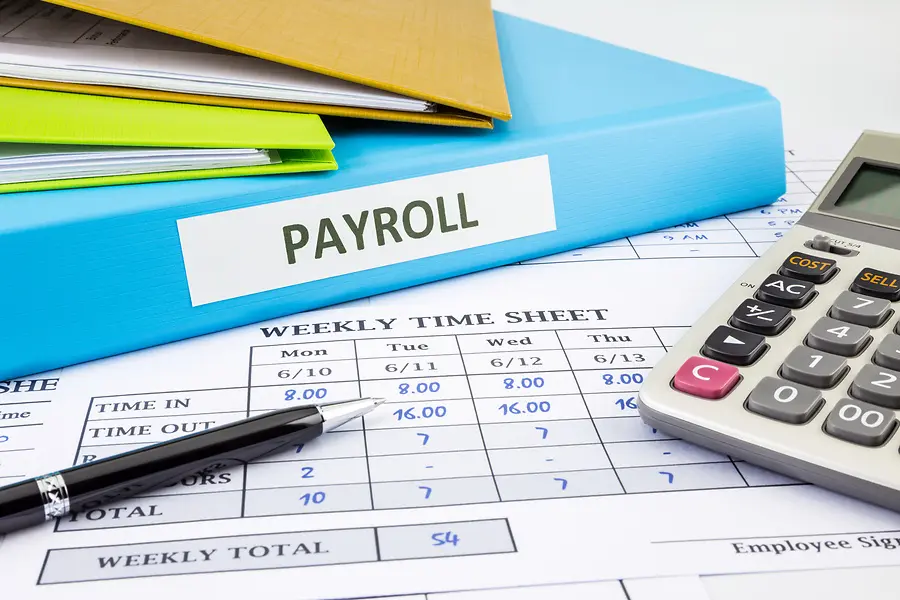
Payroll isn't just about numbers—it's about people, trust, and precision.
Behind every paycheck is a process that requires coordination, accuracy, and timing. And yet, one of the most common challenges I see across organizations is the lack of established payroll timelines.
Let's be honest—when timelines aren't defined, chaos usually follows. Timecards come in late, managers scramble to approve hours, and payroll teams are left working under pressure to hit deadlines while still ensuring accuracy. That's not sustainable, and it's not fair to anyone involved.
Here's why structured payroll timelines aren't just a nice-to-have—they're absolutely essential. 👇
1️⃣ Accuracy Starts with Consistency
Payroll accuracy depends on predictable timing. Each step—from time entry and manager approval to payroll preview and final submission—takes time to validate. When we rush, we risk errors. When we plan, we prevent them.
A defined timeline gives payroll teams the space to double-check data, reconcile variances, and ensure that every employee gets paid correctly—the first time.
2️⃣ Compliance Isn't Optional
Every payroll has legal deadlines tied to tax filings, garnishments, and benefit contributions. Missing one date can mean penalties or compliance issues.
Timelines protect the company. They keep payroll aligned with IRS, DOL, and state labor laws while ensuring every deposit, deduction, and filing happens exactly when it should.
3️⃣ It Builds Accountability and Partnership
Payroll doesn't happen in a vacuum. HR, Operations, and Finance all play a part. Having a clear payroll calendar sets expectations across departments.
Everyone knows their role—HR processes changes on time, managers approve hours, and payroll executes with confidence. It turns the process from reactive to proactive.
4️⃣ Employees Deserve Reliability
For employees, payroll is personal. They plan their bills, childcare, and daily lives around paydays. When we miss a deadline, it impacts more than just numbers—it impacts trust.
Consistent timelines ensure that employees are paid on time, every time. And that's how you build confidence in your organization.
5️⃣ Efficiency Follows Structure
When timelines are set, everything becomes measurable. Payroll can track where delays happen, identify trends, and continuously improve.
That's how teams move from "putting out fires" to running a process that's smooth, predictable, and respected.
💡 The Bottom Line: Established payroll timelines aren't just about scheduling—they're about accountability, accuracy, and respect. They protect compliance, promote collaboration, and build employee trust.
A great payroll process doesn't just pay people. It shows people they matter.
✨ Your payroll team is the heartbeat of operational trust. Protect their time, honor their process, and watch how efficiency and morale rise together.
#Payroll #Leadership #Compliance #ProcessImprovement #HR #PayrollExcellence #Teamwork #OperationalExcellence #PeopleFirst


