Why Payroll Processing Compliance Matters — And the Cost of Getting It Wrong
Why Payroll Compliance is Essential to Your Business's Success and Reputation

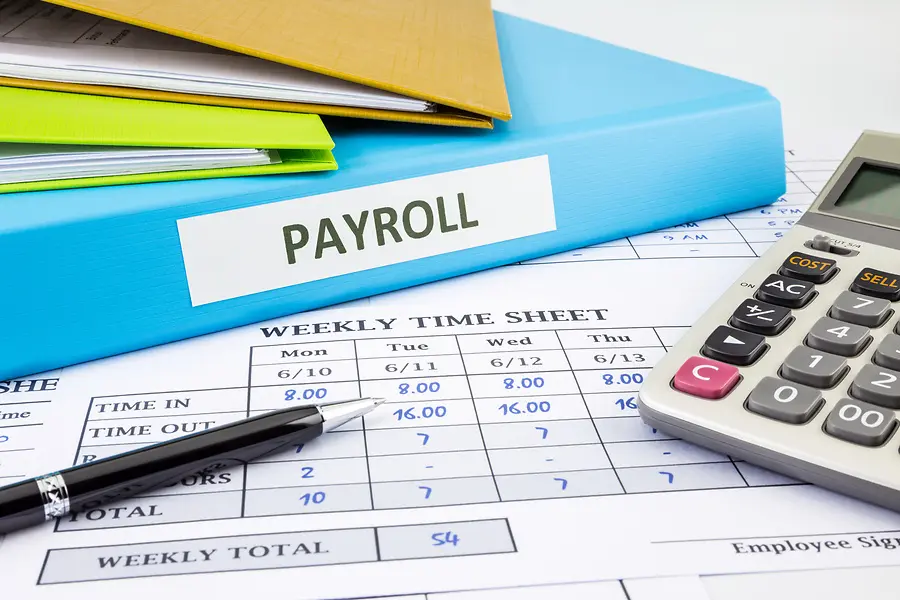
In the complex world of business operations, few functions are as critical and sensitive as payroll. It's not just about ensuring employees are paid on time—it’s about adhering to a web of regulations, tax laws, and reporting standards. Payroll processing compliance isn't just a legal requirement; it's a cornerstone of operational integrity, employee trust, and financial stability. Failing to comply can cost companies more than just fines—it can damage reputations, disrupt operations, and even result in legal action.
What Is Payroll Processing Compliance?
Payroll compliance refers to the practice of managing payroll in accordance with federal, state, and local laws. This includes correctly calculating wages, withholding appropriate taxes, making timely tax deposits, issuing accurate pay stubs, filing returns, and maintaining payroll records. It also involves staying up to date with changes in labor laws, tax codes, and employment regulations.
Why Payroll Compliance Matters
- Legal and Financial Obligations: Governments at every level impose strict rules on how businesses must handle employee compensation and taxes. Failure to comply can result in audits, fines, interest charges, and penalties. These legal repercussions can be devastating for small and medium-sized businesses.
- Employee Trust and Retention: Payroll errors can erode employee trust. Late or incorrect paychecks not only impact morale but can lead to high turnover and poor workplace culture. Ensuring accurate, timely payroll builds employee confidence and reflects a company's reliability.
- Avoiding Costly Audits: Noncompliance can trigger audits from agencies like the IRS, Department of Labor, or state tax authorities. These audits are time-consuming, disruptive, and expensive. Compliance minimizes audit risk and helps companies avoid the accompanying legal entanglements.
- Protecting Company Reputation: In the digital age, news spreads fast. Payroll mistakes can lead to public scrutiny, damage to the employer brand, and a loss of credibility among current and potential employees, investors, and customers.
- Navigating Complex Regulatory Changes: Employment laws change frequently, especially in areas like minimum wage, benefits, and overtime regulations. Staying compliant requires continuous monitoring, updates to payroll systems, and often staff training.
The Real Cost of Noncompliance
The financial consequences of payroll noncompliance are significant—and often underestimated. According to the IRS, roughly 40% of small to medium-sized businesses incur payroll penalties each year. Here are some examples of potential costs:
- IRS penalties for late payroll tax deposits: Can range from 2% to 15% of the unpaid amount.
- Fines for failing to file accurate W-2s or 1099s: Up to $290 per form, depending on how late the correction is made.
- Wage and hour violations: The Department of Labor may require back pay, plus an equal amount in liquidated damages.
- State-level penalties: Many states impose additional fines for errors in wage statements, tax filings, or worker classification.
Investing in Compliance Pays Off
Companies can mitigate payroll compliance risks by investing in reliable payroll software, outsourcing payroll to experienced providers, or hiring internal experts. Technology and expert guidance not only automate processes and reduce errors but also provide safeguards against ever-changing regulations.
Moreover, a proactive approach—including regular audits, employee training, and compliance checklists—can help organizations catch and correct issues before they escalate.
Final Thoughts
Payroll processing compliance isn't just an HR or finance concern—it's a critical business function that impacts every corner of an organization. When done right, it protects the business from legal trouble, boosts employee morale, and fosters a trustworthy brand image. But when neglected, the costs—financial and reputational—can be steep.
Compliance isn't optional. It's a strategic imperative that ensures business continuity, protects your workforce, and sets the foundation for sustainable growth.


