Why People Stop Believing Leadership
How Trust Erodes Gradually Through Small, Unnoticed Patterns

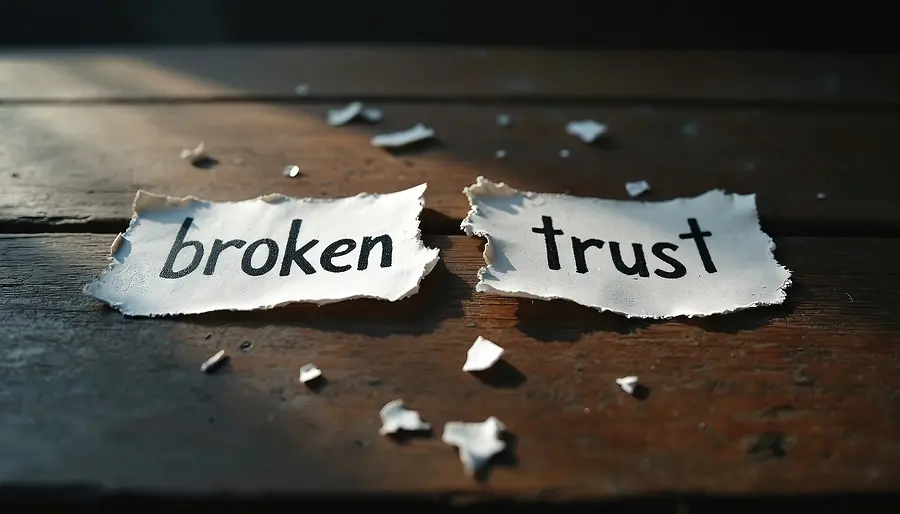
People rarely stop believing in leadership all at once.
There is usually no single moment where trust completely disappears, no clear turning point that marks the exact moment belief is lost.
Instead, belief fades.
It weakens gradually through patterns that often go unnoticed in the moment but become clear over time. Small inconsistencies begin to accumulate. Decisions feel less aligned. Communication becomes less complete.
Individually, these moments may seem insignificant.
Together, they begin to shape perception.
People start to question whether leadership is still guided by the principles it once represented. Confidence becomes more cautious. Trust becomes conditional rather than assumed.
This is how belief begins to decline.
One of the most common causes is inconsistency.
When leaders communicate one set of values but act in ways that do not reflect those values, people notice. Even subtle differences between words and actions can create doubt. Over time, that doubt grows.
Consistency reinforces belief.
Inconsistency weakens it.
Another factor is the absence of transparency.
When information is shared selectively or delayed without explanation, people begin to fill the gaps with their own assumptions. Uncertainty grows in the absence of clarity, and trust begins to erode.
Transparency does not require perfect answers.
It requires honest communication.
Without it, belief becomes fragile.
Belief also declines when accountability becomes uneven.
If standards are applied inconsistently, or if certain decisions appear protected from scrutiny, people begin to question whether leadership is guided by fairness or convenience.
Fairness matters.
People are more likely to trust leadership when they believe expectations apply equally and decisions are made with integrity.
Listening plays an important role as well.
When people feel that their perspectives are not heard or considered, they may begin to withdraw. Communication becomes limited. Concerns go unspoken. Engagement declines.
Silence begins to replace participation.
This shift is often misunderstood.
Leaders may interpret reduced feedback as agreement or stability when it may actually reflect a loss of confidence.
Over time, belief becomes difficult to sustain.
When people no longer feel confident in leadership decisions, they adjust their behavior. They follow direction, but without conviction. They engage, but with hesitation. They contribute, but with reduced trust.
Leadership influence begins to weaken.
The important truth is that most leaders do not intend for this to happen.
Belief is not lost through deliberate action.
It is lost through patterns that are not corrected.
This is why responsible leadership requires awareness.
Leaders must remain attentive to the signals their actions send. They must recognize that belief is reinforced through consistency, transparency, accountability, and listening.
These are not occasional practices.
They are ongoing responsibilities.
Because in the end, people do not stop believing in leadership because of one decision.
They stop believing when leadership no longer gives them a reason to continue.


