You Can’t Be What You Can’t See: Why Black Women in Leadership Matter
How Representation in Leadership Transforms Educational Outcomes and Empowers the Next Generation

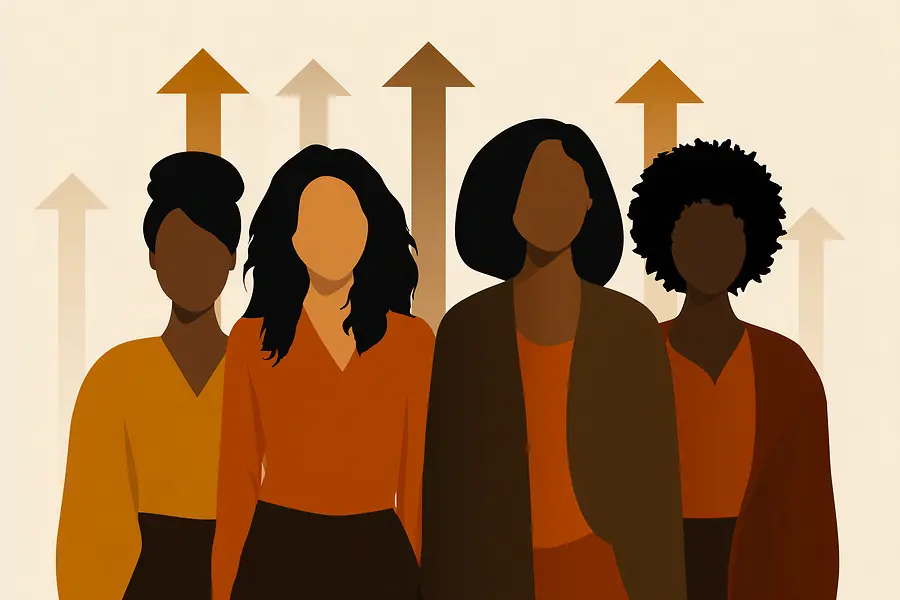
You Can’t Be What You Can’t See: Why Black Women in Leadership Matter
By Dr. Candice Bryant
For more than 21 years, I have had the privilege of serving students in urban public education. During that time, I have witnessed remarkable resilience, brilliance, and potential in children who often navigate systems not originally designed with their success in mind. I have also observed a persistent reality: representation matters. The faces students see leading schools, districts, organizations, and communities shape what they believe is possible for themselves.
As a Black woman educator and doctoral researcher, I have spent my career examining the factors that contribute to student achievement and well-being. My professional experience and scholarly research consistently point to one conclusion: when students see themselves reflected in positions of influence and authority, their academic engagement, social-emotional development, and sense of belonging are strengthened.
The phrase “you can’t be what you can’t see” is more than a catchy slogan. It is a profound truth that has significant implications for educational equity and leadership development. For little girls of color, especially Black girls, seeing Black women in leadership roles sends a powerful message: your voice matters, your intelligence is valued, and your aspirations are attainable.
Representation Matters
Too often, Black women continue to be underrepresented in executive leadership positions, despite their qualifications, expertise, and contributions. While progress has been made, many young girls still move through educational environments where few leaders look like them. The absence of representation can quietly communicate limitations, while meaningful representation expands possibilities.
Throughout my career, I have seen the transformative impact of Black women leaders. Whether serving as principals, superintendents, district administrators, professors, policymakers, or community advocates, these women embody excellence, resilience, and vision. Their presence challenges stereotypes and broadens perceptions of leadership for all students—not just students of color.
Culturally Responsive Practices
My doctoral research has focused on the significance of culturally responsive practices in educational settings. The findings align with a growing body of scholarship demonstrating that culturally responsive environments positively impact students both academically and socially. When educators and leaders acknowledge, affirm, and integrate students' cultural identities into the learning experience, students are more likely to experience higher levels of engagement, achievement, confidence, and connection.
Cultural responsiveness is not simply about celebrating diversity during designated months or incorporating multicultural books into a curriculum. It is about creating systems and environments where students feel seen, valued, and empowered every day. Leadership representation is an essential component of this work. Students need to see decision-makers who understand their lived experiences, advocate for equitable opportunities, and model pathways to success.
Representation Can Be Life-Changing
For Black girls in particular, representation can be life-changing. It provides tangible evidence that leadership is not reserved for others. It allows them to envision themselves as scholars, innovators, entrepreneurs, superintendents, elected officials, and CEOs. It nurtures ambition while reinforcing the belief that their identities are assets rather than obstacles.
Representation also benefits students who do not share those identities. Exposure to diverse leadership helps dismantle biases, fosters empathy, and prepares young people to thrive in an increasingly interconnected world. Diverse leadership is not solely a matter of visibility; it is a matter of cultivating inclusive perspectives that strengthen institutions and communities.
Creating Pathways for Black Women Leaders
As educators, policymakers, and community leaders, we must continue to create pathways that elevate and support Black women leaders. This includes addressing barriers to advancement, investing in mentorship opportunities, and ensuring that leadership pipelines reflect the diversity of the communities they serve.
The future of education depends on our willingness to create environments where every child can see a reflection of their potential. When little girls of color see Black women leading with excellence, courage, and authenticity, they gain more than inspiration. They gain permission to dream bigger, reach higher, and believe that leadership belongs to them as well.
After 21 years in urban public education, I remain convinced that representation is not a symbolic gesture; it is a necessity. Our students deserve to learn in environments that affirm their identities, celebrate their strengths, and expand their vision of what is possible. When we prioritize culturally responsive leadership and representation, we do more than change individual outcomes. We transform futures.
Every child deserves the opportunity to see themselves in the leaders who shape their world. And every little girl of color deserves to know that she can become exactly what she sees.


