Your Reputation Is Working Even When You're Not
How Intentional Choices Build the Professional Trust That Creates Opportunities

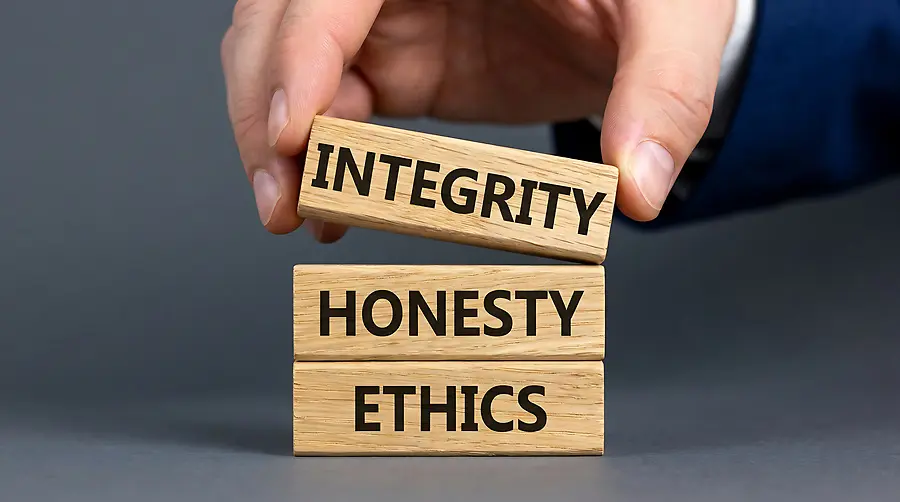
Every professional has a reputation.
The question is not whether one exists.
The question is whether it is being developed intentionally.
Many people think of reputation as something associated with public recognition, executive leadership, or professional success. They assume it becomes important later in a career, after they have achieved a certain level of visibility or influence.
The opposite is often true.
Reputation begins developing long before success becomes visible.
It is shaped through everyday interactions, routine decisions, and consistent patterns of behavior. It develops through the way people communicate, follow through on commitments, respond to challenges, and interact with colleagues.
Over time, these experiences create expectations.
And expectations shape opportunities.
Trust Before Credentials
One of the most important realities of professional life is that people often make decisions based on trust before they make decisions based on credentials. When opportunities arise, leaders frequently ask themselves a series of questions:
Can this person be trusted?
Will they follow through?
Do they exercise good judgment?
Can they represent the organization effectively?
Do they work well with others?
Notice that none of these questions focus exclusively on technical ability.
Competence matters.
But trust often matters first.
This is where reputation becomes so valuable.
A strong reputation reduces uncertainty. It gives decision-makers confidence because they have evidence of how a person is likely to perform. Every positive interaction becomes part of a larger pattern that influences how others perceive reliability, professionalism, and leadership potential.
In many ways, reputation functions as professional leverage.
It creates opportunities that might not otherwise exist.
Reputation Enters the Room Before You Do
Consider how often opportunities emerge through conversations that happen behind closed doors. Leadership positions, strategic projects, speaking engagements, partnerships, board appointments, and business opportunities are frequently discussed long before formal announcements are made.
During those conversations, someone’s reputation often enters the room before they do.
People remember who consistently delivered results.
Who handled challenges effectively.
Who demonstrated integrity.
Who worked collaboratively.
Who added value.
And who could be trusted with greater responsibility.
That reality makes reputation one of the few professional assets that continues creating value even when you are not actively present.
Visibility Creates Awareness. Reputation Creates Trust.
This does not mean reputation should be viewed as a branding exercise.
In fact, one of the biggest misconceptions about professional reputation is that it can be manufactured through visibility alone.
Visibility creates awareness.
Reputation creates trust.
The two are related, but they are not the same.
A person may be highly visible and poorly regarded.
Another may have limited visibility but an exceptional reputation among those who know their work.
The most influential professionals understand that reputation is not built through self-promotion. It is built through consistency.
Consistency in performance.
Consistency in communication.
Consistency in professionalism.
Consistency in values.
Consistency in how others experience working with you.
Because reputation is ultimately not what you say about yourself.
It is what other people consistently experience.
What Are You Becoming Known For?
This is particularly important in environments where leadership opportunities are competitive. As careers progress, technical skills become increasingly common. Many professionals possess strong qualifications, relevant experience, and impressive accomplishments.
What often differentiates one candidate from another is confidence in how they will perform.
Reputation helps create that confidence.
Another important aspect of reputation is that it extends beyond expertise. Some professionals become known as problem-solvers. Others become known as collaborators. Some are recognized for innovation. Others for strategic thinking, reliability, mentorship, or exceptional communication.
These patterns influence how opportunities find people.
Individuals are often invited into conversations because of what they are known for.
That observation leads to an important leadership question:
What are you becoming known for?
The answer matters because reputation develops whether we manage it or not.
Every project contributes to it.
Every interaction influences it.
Every decision shapes it.
The cumulative effect of those experiences becomes the story people tell when you are not present.
Building a Strong Reputation
Fortunately, building a strong reputation does not require extraordinary circumstances.
It requires intentional choices:
Keeping commitments.
Producing quality work.
Treating people with respect.
Demonstrating integrity.
Taking responsibility.
Supporting others.
Continuing to learn and grow.
These actions may seem small in isolation.
Over time, they become powerful.
The strongest professional reputations are rarely built through a single achievement. They are built through years of consistent behavior that create trust and confidence.
For women pursuing leadership opportunities, this lesson is particularly valuable. Career advancement often depends not only on capability but on credibility. Decision-makers are more likely to support professionals whose reputations consistently reflect competence, reliability, and sound judgment.
In that sense, reputation becomes a strategic asset.
Not because it guarantees success.
But because it creates opportunities for success to occur.
Reputation Is Working Even When You Are Not
The most influential leaders understand this principle well.
They recognize that every interaction is an opportunity to strengthen trust.
Every responsibility is an opportunity to reinforce credibility.
And every challenge is an opportunity to demonstrate character.
Because while résumés describe what you have done, reputation influences what people believe you can do next.
And in professional life, that distinction matters.
Your reputation is working even when you are not.
The question is whether it is working for you.


