Her Story
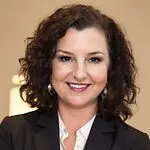
About Coral
I've worked in several fields throughout my career. In engineering, I worked officially for 4 years in the industry - 3 years at Applied Materials and 1 year at a new startup that came out of a university. What was really unique about my master's thesis is that I did it in the industry. I worked in the industry and created a path of making the research inside the company. It felt like a startup inside a big corporate. I did my research there, so I could combine the studies and the job on a daily basis. It's something unique that I did, and my initiative there created a platform for other women in the company to do so. As a leader, I've been working in leadership roles even before it was really formal - I led the student committee during my undergrad degree in the student association in the faculty, and I was also a commander in the army. I worked as a leader in the industry for 2 years. Now I'm working independently as a podcast host for inspiring women. My podcast is in Hebrew, my mother tongue language, and it's about women in the high-tech industry that are in C-level positions, entrepreneurs, and similar roles. Each episode is with different successful women who tell about their journey, what they struggled with, and tips they can give from working at high-tech companies and afterward as entrepreneurs. I'm thinking about doing it in English as well because there are more women in the U.S. and very interesting women here. I also write entrepreneurship books for children. I left my engineering job currently because I wanted to start my own business as an entrepreneur, though it's really in the beginning. Wherever I work or whatever I do, I always find time to support women. Even when I worked in the semiconductor industry, I initiated a project that makes more women who work there learn advanced degrees in the university for them to become engineers. I feel really proud about that - I always have time to support other women.
Her Interview
Ten minutes with Coral
01What do you attribute your success to?
I attribute my success to always finding time to support women, wherever I work or whatever I do. Even when I worked in the semiconductor industry, I initiated a project that makes more women who work there learn advanced degrees in the university for them to become engineers. During my studies, when I worked in the committee, and after working in the company, I continued this work. Now I'm creating this podcast also for women. I feel really proud about that - I always have time to support other women. This has been something that always accompanies me throughout my career.
02What advice would you give to young women entering your industry?
First, I would say there is nothing she cannot do. Everything is really possible, and I believe that if she will maybe have the right guidance from a mentor - someone that she knows that was there, whether it's a woman or not - she can decide and understand how to get there. There are some shortcuts by getting some good advice. Another thing is that if you're not getting inside somewhere while you tried in the more conventional way from the door, you can always get in from the window. If someone said no, don't give up - find another way in. I also want young women to know that you cannot tell yourself you shouldn't study a scientific degree or engineering degree because you weren't so good at math at school. I met so many people who really were bad at math in school and now they're engineers. It says nothing about you, because when it's the right time for us and we feel that we want to take this responsibility and study hard, we will get there. I really believe that everyone can get there if they push harder and study harder. Everyone can study those fields, and you don't need to be any kind of gifted since you were born. No, it's something that you can learn and do afterwards and become really good at that. I've escorted young people who are now engineers, and they were really afraid at the beginning, and everyone can do that.
03What are the biggest challenges or opportunities in your field right now?
I feel like we have a lack of guidance out there on social media, and I don't see enough women in those great positions afterwards where I can say, okay, I want to get to her position, I want to be like her, and I want to tell other people to be like her. I received so many questions from people who just finished their bachelor's degree, and they wanted to ask me how to get inside the industry, the semiconductor industry, or any other industry, if I have some tips. I felt that I need to give some good tips to other people, and I wanted to focus on women because we can really do everything. I wanted to show that to the world. I believe that you cannot be what you cannot see, so that's why I started my podcast - to give young women role models and show them what's possible.
Keep Exploring
More Influential Women · California


Join Influential Women and start making an impact. Register now.