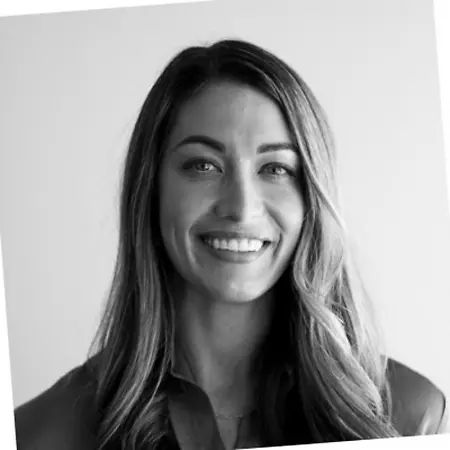
Her Story
About Glynis
My journey into this field is deeply personal. I am in recovery from addiction and alcoholism, and I spent many years on the opposite end of the spectrum, going in and out of treatment facilities, struggling to get my life together, with no sense of purpose, peace, or serenity. Eventually my life completely fell apart in every sense of the word, which became the conduit that brought me into recovery and a new way of living. That meant I had to change everything - my ideas, my sense of purpose, my spirituality, my relationships, truly everything, including how I treated my body. My personal experience and passion led me to start working in this space because I thought it would be useful in serving others who were going through the same thing I had been through. I started in a very entry-level position making $14 an hour, which in LA is hard living, and worked my way up to administrative positions, then operations director. I worked on the admissions side, business development side, and marketing side, getting to experience every aspect of the behavioral health and addiction space outside of clinical. My passion just grew, and it felt valuable to be able to help other people and be that conduit for families who didn't know where to go or how to support their loved one. I saw what I really liked in the space and some people doing really good work, but I also saw the dark side and underbelly of the healthcare space, specifically addiction and behavioral health, and it made me feel like I could do better. My partner Dustin and I were both in recovery, had been clients and patients in treatment facilities, then became employees and worked in most aspects of the space. We asked ourselves how we could create something that's really special and mission-guided and does right by the people we serve. There was a point where I was homeless on the streets and in prison, and now I own this luxury, beautiful, amazing, special treatment facility in the Hollywood Hills. I don't come from money, so it was all really just grinding and earning it and working really hard.
Her Interview
Ten minutes with Glynis
01What are the biggest challenges or opportunities in your field right now?
Personally, burnout is a major challenge - starting a business of any kind is hard to explain unless you've done it, but in our field specifically, there are additional pressures. While there are really great mission-guided organizations with the best intentions, there are also some really bad actors in the space who look at vulnerable individuals and their families as dollar signs and are willing to do anything to make money, including insurance fraud and unethical practices. This causes people and families to become distrustful and not willing to get help. The insurance companies and government put restrictions on accessing care, making it harder and harder for organizations to sustain and cover the cost to operate and provide good care because of the groups doing things unethically and dishonestly, so everyone ends up suffering as a result. Insurance companies are reimbursing at lower and lower rates, and the lower the insurance reimburses, the lower the quality of care is. Maybe you can't afford to give people 3 or 4 individual therapy sessions a week, maybe it's just one a week. You can't afford that extra staff member that can provide a higher level of support, so you find yourself understaffed. A lot of facilities don't have nursing on-site, which is a huge medical liability. In California it's not required, though it is in other states, but we do it because it's best practice. It becomes harder and harder because those margins are smaller and smaller, and it makes it more challenging to operate in a sense where you can help people and give them the best care possible.
Join Influential Women and start making an impact. Register now.