Influential Woman · Film and Entertainment
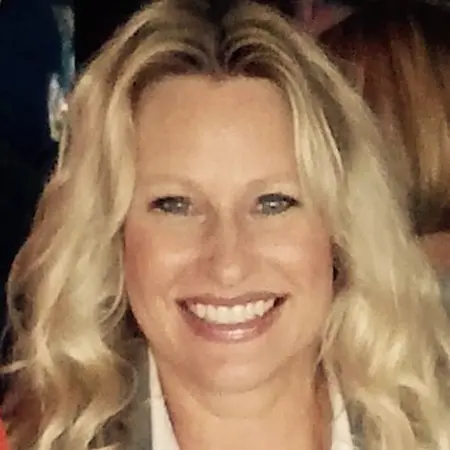
Merridee Book
CEO & Artistic Director, Coronado Island Film Festival
Coronado, CA 92118
Her Story
About Merridee
Merridee Book is a respected film festival executive, nonprofit arts leader, and creative strategist with more than 20 years of experience in the film and entertainment industry. As CEO and Artistic Director of the Coronado Island Film Festival, she leads one of Southern California’s premier cinematic events, overseeing both the artistic vision and organizational operations of the internationally recognized festival. Merridee joined the festival eight years ago during its formative years and assumed the combined CEO and Artistic Director role in 2020 — an uncommon dual position in the festival world that reflects her unique ability to balance creative leadership with operational strategy. Under her guidance, the festival has grown from an emerging startup into a nationally and internationally celebrated destination for filmmakers, storytellers, and audiences. Throughout her career, Merridee has remained passionate about championing independent film, fostering emerging talent, and creating meaningful cultural experiences through storytelling. In addition to directing the festival’s flagship five-day international event each November, she oversees year-round programming that includes educational initiatives, community outreach, military partnerships, a monthly classic film screening series, and a growing screenwriters competition. The festival now showcases more than 120 films annually and welcomes approximately 8,000 attendees, while its acclaimed ShortsFest has evolved into a signature event of its own as a festival within the festival. Her leadership extends across every aspect of the organization, from curating film selections, panels and creative talent, to cultivating donor, sponsor, and industry relationships that continue to strengthen the festival’s reach and reputation. Merridee’s leadership has been especially impactful during periods of significant industry and global disruption. She successfully guided the Coronado Island Film Festival through the challenges of the COVID-19 pandemic, the impact from Hollywood labor strikes, and regional crises while continuing to expand the organization’s visibility and influence. Under her direction, the festival earned recognition from MovieMaker Magazine as one of the “Top 50 Film Festivals Worth the Entry Fee” worldwide (2025, 2026) — a powerful acknowledgment of its artistic excellence and industry relevance for independent filmmakers and screenwriters. Dedicated to preserving Coronado’s rich Hollywood legacy while supporting the future of independent cinema, Merridee continues to build a festival experience that celebrates creativity, connection, and the transformative power of film.
Her Interview
Ten minutes with Merridee
01What do you attribute your success to?
I think my success has come from understanding where my aspirations meet reality — setting personal career goals, defining what success looks like to me, and working steadily toward those benchmarks.
But in a leadership capacity, for this film festival and for nonprofits in general, so much of that success comes down to team-building: hiring the right people and surrounding myself with those who know more than I do in their respective areas of expertise — then giving them the freedom and empowerment to do what they were hired to do.
I've surrounded myself with people who are like-minded, who share the same work ethic, and who draw inspiration from one another. They take real joy in the work they create and accomplish, and that joy reflects in everything we do as a team.
I believe success attracts success, and energy attracts the same energy. Most importantly — we don't do drama.
02What’s the best career advice you’ve ever received?
One of the best pieces of advice that has stuck with me, way back from college, came from my dad: never burn a bridge. It sounds generic, but it has served me well, because you really don't know where someone will land in life or in their career — or where your own journey might take you. If you can resolve professional issues and build relationships in a positive way, it will always serve you well. We've all had to go back to people we've known, professionally or personally, or cross paths with again down the road. I still return to that advice today. Relationships are always more valuable than a short-term win.
Another piece of advice that has stayed with me came from a conference I attended long ago: your reputation enters the room before you do. What you've built, and how you've gone about building it, matters more than anything else.
03What advice would you give to young women entering your industry?
For anyone entering the film festival, arts, entertainment, or the nonprofit cultural space, I'd say first and foremost: set your expectations accordingly.
There's a lot of unglamorous work behind this. In my role, people see me on the red carpet, in profiles and parties — it looks like one big social gathering. But during the festival, I'm running around, in front of a microphone, troubleshooting disruptions or last-minute programming changes. Behind the scenes, year-round we're handling logistics, budgets, timelines, sponsors, crisis management. It's not all creative, and fun — although that's a big part of it too. The groundwork, heavy lifting and preparation is what makes the festival seamless. The work is extremely rewarding and collaboration is key to success and genuinely the best part of the job. This industry opens doors to meeting some of the most creative minds, innovators, tastemakers and talent you will ever hope to meet.
Understand that you'll be wearing multiple hats, some you didn't ask for. People only see the end product — the red carpet moments captured by the media — but the reality behind it can be a grind.
Your reputation is your currency. Don't make decisions that compromise your values. This industry is deeply relational, so follow through on what you say and commit to. Stay calm under pressure, or fake it until you can take a moment to exhale and recenter.
Build genuine professional relationships, and never take anyone for granted. Don't disregard anyone's talent or contribution — this is a small, unpredictable world, and the indie filmmaker or emerging screenwriter you meet today might be directing a blockbuster two years from now. Build real connections, not superficial ones used as a means to an end.
04What are the biggest challenges or opportunities in your field right now?
The entertainment industry is always in flux, and never more so than right now — Hollywood is being reshaped by AI, streaming, competing studios, and mergers. But focusing specifically on our role as an international film festival, the biggest challenge is creating a more dynamic and compelling space — a better festival experience for industry attendees and movie lovers alike. That's a tangible, real challenge for us: finding the inspiration to outdo or elevate what we did the year before. Those are internal goals — we want to keep growing, evolving, and expanding our footprint.
As a nonprofit, funding is always one of the biggest challenges — finding the resources and connections that align with your mission and goals, and identifying who will come alongside you to support that mission in an impactful way. That landscape is constantly changing.
In leadership, the challenge is putting yourself out there, again and again. A lot of what I do puts me in vulnerable spaces, because I have to try new things, even when they feel uncomfortable. When you're always expanding, you're also redefining what your parameters look like. Ultimately, it's about finding the people who will jump in and grab hold of your vision as passionately as you do, and help push that vision forward.
05What values are most important to you in your work and personal life?
First and foremost, integrity. When people operate with a high level of integrity, everything else flows from that — respect, clear communication, and follow-through. If people know that when you say you're going to do something, you'll do it, that matters enormously to me.
Respect is equally important — respect for people's professional journeys and what they bring to the table. It means honoring their preparation and their work. If you bring someone on, you do it for a reason: you should expect and respect their opinions and their way of working. This applies not just professionally, but personally too — building community around art, culture, and shared experience matters deeply to me.
Loyalty is another huge value. Integrity, loyalty, and respect form the trifecta I operate within — and they're exactly what I expect from anyone I work with, partner with, or sign a contract with.
Authenticity rounds it out, though it really stems from integrity. It's easy for this industry to become superficial, since so much of it is about image. But when those core values are in place, you can cut through the superficial noise quickly. People respond to that directly — it becomes more meaningful, more genuine. You leave your ego at the door.
Join Influential Women and start making an impact. Register now.