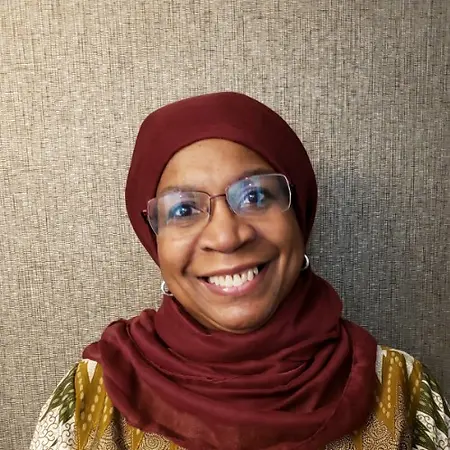
Her Story
About Rebecca
I've been in education for over 30 years, working as a professor at a university. I teach in religious studies and also teach about archives and libraries. My daily work involves preparing for and teaching classes throughout the week, engaging with my students and colleagues, and ensuring I'm ready to support my students. Education was important for getting to where I am, but continual learning as an ongoing activity has always been important to me. I'm a member of professional organizations including the American Academy of Religion and the Academy of Certified Archivists, which I attend regularly. I believe in the importance of respecting expertise and knowledge, and I recognize that educators are citizens too with a vested interest in not just educating our students, but ensuring that we have an educated populace all around.
Her Interview
Ten minutes with Rebecca
01What do you attribute your success to?
I think my mom very much was the type of person who encouraged us. She would think outside of the box, be active, get out into the public, and share. She didn't have a college education, but she was well-read and the smartest woman you know, just not in formalized educational ways. We'd always have discussions at the breakfast table or dinner table about a new book or any concerns anyone had. She was very active and political, making sure that she was engaged with what was going on in her community. It was important for her to be an activist, to be a community organizer, to be out there helping people. She worked for the union and knew the value of union work, so she encouraged us to be engaged.
02What’s the best career advice you’ve ever received?
To get out of my comfort zone to do things that I never thought I would. I always want my students to travel, whether it's in the United States or, more importantly, travel outside of the United States to learn about other people and cultures. I always tell them, go somewhere where you are the absolute minority, whether that's in your race, whether that's in your culture, go somewhere where you are the minority, just to learn empathy and get a perspective of what people who come to this country face. That's always been my advice to students, and I used to travel all over the world.
03What advice would you give to young women entering your industry?
Get out of your comfort zone. Travel somewhere where you are the absolute minority, whether that's in your race or your culture, just to learn empathy and get a perspective of what people who come to this country face. Be kind, be empathetic, and have a sense of care about people. Kindness is probably a virtue that we never think of as being so important, but it's been important in my life for people who have shown me kindness. That old saying, pass it on - those acts of kindness can be of tremendous consequence for someone. I mean, just a smile can make a difference. We are told that a smile is an act of kindness.
04What are the biggest challenges or opportunities in your field right now?
Just allowing people to do the work that they were educated to do and being respectful of expertise and knowledge. For us in academia, recognizing that educators are citizens too, and we have a vested interest in not just educating our students, but ensuring that we have an educated populace all around. I think that's one of the challenges.
05What values are most important to you in your work and personal life?
I think to be honest, to stand up for people who can't do it for themselves, who may face issues with being censored or being treated unfairly. I think that's a very important value - to stand up for those who have the least. To be caring and be aware, I think those are the values I appreciate more than anything. My mom would always say, if you see someone starving or doing terribly badly, don't wait till they ask you that they need help. You know, you see their condition, see what you can do to help. She was always the kind of person who said, don't wait for people to beg for help - help them on your own.
Join Influential Women and start making an impact. Register now.