
Discover how beekeeping offers veterans and individuals struggling with mental health a transformative pathway to mindfulness, presence, and emotional healing beyond traditional therapeutic approaches.

Verified Member
Influential Woman · Higher Education
Shelly Bishop
Admissions Processor III, Nightingale College
Tollesboro, KY
4Years experience
2Articles published
Her Story
About Shelly
Shelly Bishop is a higher education professional and holistic wellness advocate with more than 15 years of experience in student support, administrative operations, records management, and education. She currently serves as an Admissions Processor III at Nightingale College. In this role she supports learner success by managing academic records, answering educational inquiries, streamlining administrative processes, and working with colleagues to create positive learner experiences. Earlier in her career, she served in the U.S. Navy as an Equipment Operator. She also held earlier roles in education and childcare. Shelly is driven by a passion for personal growth and whole-person wellness. She holds both a Bachelor's degree and a Master of Arts in Positive Psychology, from Liberty University and Indiana Wesleyan University. Both degrees are grounded in life coaching, mindset, and mental well-being. She is currently pursuing a Doctor of Science in Integrated Health at the American College of Healthcare Sciences, with a concentration in herbal medicine.
Her interests include life coaching, mental health, holistic health practices, and the connection between mindset and overall well-being. She is also passionate about beekeeping and its potential role in complementary wellness. She is developing an entrepreneurial venture in her spare time, Crooked Spur Apothecary & Honey Hollow, which reflects her interests in herbal wellness, natural products, and beekeeping. She is also an advocate for veteran mental health and has written about the potential benefits of therapeutic beekeeping for people navigating PTSD, anxiety, and other mental health challenges.
As the first college graduate in her family, Shelly takes pride in the perseverance that has shaped her journey. She is committed to empowering others through education, personal development, and holistic wellness. She hopes to further contribute to integrated health education and curriculum development in all the ways she can.
Her Interview
Ten minutes with Shelly
01What do you attribute your success to?
I attribute my success to the strength and sacrifices of the women in my family. Their resilience taught me that growth is iterative and that persistence matters, and it keeps me moving forward. When I meet doubt or negativity from others, I approach it with curiosity. I take responsibility for my own growth and use it as fuel toward my goals.
The learners I support are why the work matters. I've watched them enroll, graduate, and thrive, and each step shows me the purpose and impact of what we do. Every learner who becomes a nurse helps build a healthcare workforce that is relevantly skilled, readily available, and representative of the communities it serves.
Above all, I find fulfillment in empowering others. I work with my colleagues to help learners recognize their potential, work through challenges, and succeed, and I keep looking for better ways to do it.
02What’s the best career advice you’ve ever received?
The best career advice I received came from a fellow collaborator at Nightingale College: "Everybody feels like an imposter, but you have to make your place in the world." It taught me that self-doubt is normal, even among successful people, and that it should never stop me from pursuing opportunities. I now practice self-governance through growth mindset and responsibility. I name the doubt, get curious about it, and act anyway. I treat growth as iterative and non-linear, and I own my progress along the way.
Believing in my abilities also helps me serve others. When I confidently take my place in the spaces where I belong, I can help learners do the same. Many of them are first-generation learners who wonder if they belong in nursing, and I want them to know that they do. When more of them see their place in healthcare, we get closer to a workforce that is representative of the communities it serves, and closer to a Better World through Better Humanity and Better Health.
03What advice would you give to young women entering your industry?
Never give up on your goals, and don't let imposter syndrome undermine your confidence. Self-doubt is normal, and you can practice self-governance through it. Name the doubt, get curious about it, and keep moving. Stay persistent in pursuing opportunities, even when you face rejection or discouraging responses. Take responsibility for your own growth: ask for feedback, learn from what didn't work, and apply again with new skills. Growth is iterative and non-linear, and failing forward is part of it.
If there is an organization you aspire to join, keep applying and keep demonstrating your dedication and qualifications. Believe in your abilities and recognize your worth. Rejection does not define your potential. Sometimes success comes from simply having the courage to keep trying, and from the people who walk beside you while you do.
04What are the biggest challenges or opportunities in your field right now?
One of the biggest challenges in higher education is moving from an administrative role into a faculty position, because many institutions prioritize candidates with previous teaching experience. The move takes persistence, patience, and continued professional development. I treat the barrier as information. I look at where my experience falls short, take responsibility for closing the gap, and look for ways to build teaching experience. Growth is rarely a straight line, and every step builds toward the next opportunity.
Faculty openings may be limited, but that has a positive side. Satisfied faculty members tend to stay in their roles, and that stability gives learners consistent, committed educators. Staying prepared and building relevant experience helps me grow. It also lets me bring an administrative perspective to the classroom, one that understands the whole learner journey, from enrollment to graduation.
05What values are most important to you in your work and personal life?
My core values are family, faith, and integrity. They guide how I show up at work and at home. I believe in doing what is right, even when it is difficult. I take responsibility for my decisions, stand confidently by them, and stay open to feedback so I can keep growing.
I treat everyone with fairness, dignity, and respect, regardless of their background or circumstances. I get curious about each learner's story and the reasons they enrolled, and I work with colleagues across roles to give every learner the support they need. Learners come from many backgrounds, and I want every one of them to feel they belong in healthcare. That is how we build a workforce representative of the communities it serves.
Above all, I keep my family close and let my faith and integrity guide me. They keep me grounded in why this work matters: a Better World through Better Humanity and Better Health.
Her Content Hub
Articles by Shelly
Finding Healing in the Hive: How Bees Are Helping People Navigate PTSD, Anxiety, and Mental Health Challenges
How Tending to Honeybees Offers Healing, Mindfulness, and Renewed Purpose for Veterans and Those Struggling with Mental Health
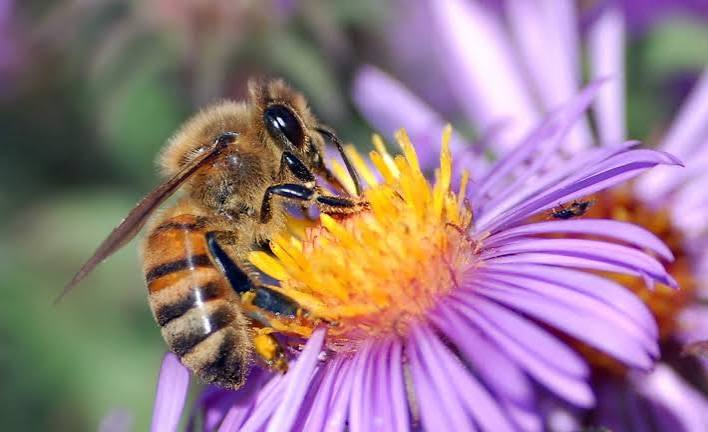
The hive was louder than my thoughts.
On a warm summer afternoon, thousands of honeybees moved with purpose around me. For a few moments, the emails, deadlines, social media notifications, and stresses of everyday life simply disappeared. As I watched workers return to the hive carrying pollen and nectar, I became fully absorbed in the rhythm of the colony. There was no room for distraction. No lingering worries about tomorrow. No replaying yesterday's concerns.
There was only the hive.
It was in those moments that I began to understand why beekeeping is increasingly being explored as a tool for mental wellness.
When most people think of honeybees, they think of honey, pollination, or perhaps the occasional sting. Rarely do they think of healing. Yet a growing body of research, coupled with the lived experiences of veterans, first responders, and individuals struggling with mental health challenges, suggests that beekeeping may offer something much deeper: a pathway toward mindfulness, purpose, connection, and emotional recovery.
As a veteran advocate, healthcare education professional, doctoral student, and beekeeper, I became fascinated by the relationship between humans and honeybees. What began as a personal passion evolved into a research interest as I observed how tending bees seemed to create moments of calm, focus, and presence that are often difficult to achieve for individuals living with post-traumatic stress disorder (PTSD), anxiety, depression, and chronic stress.
More Than a Hobby
Mental health disorders affect millions of people worldwide, and veterans face particularly elevated risks of PTSD, depression, isolation, and suicide due to the unique challenges associated with military service and reintegration into civilian life. While counseling, medication, and evidence-based therapies remain essential components of treatment, researchers have increasingly begun exploring complementary approaches that address the whole person. Beekeeping is emerging as one of those approaches.
Unlike many recreational activities, beekeeping demands patience, attentiveness, and emotional regulation. Bees respond to sudden movements and environmental disruptions. To work safely around a colony, a beekeeper must slow down, remain calm, and become fully engaged in the present moment. The hive does not allow multitasking or distraction. In many ways, it teaches skills remarkably similar to those emphasized in mindfulness-based interventions.
What the Research Says
The scientific evidence supporting therapeutic beekeeping continues to grow.
One of the most compelling studies was published in 2024 in the Therapeutic Recreation Journal. Researchers Valerie Carter, Adam Ingrao, Jessie Bennett, and Christine Gould examined the impact of a Veterans Affairs recreational therapy program known as Healing Hives. Veterans participating in the program reported significant improvements in anxiety, depression, mobility, and overall perceptions of health and quality of life. The findings suggest that beekeeping may serve as an effective complementary intervention for supporting mental health recovery. [projects.sare.org], [js.sagamorepub.com]
Similarly, the Department of Veterans Affairs' HIVES (Honeybee Initiative for Veteran Empowerment and Support) program documented meaningful reductions in stress, anxiety, loneliness, and depressive symptoms among participants. By combining beekeeping activities with mindfulness practices, the program helped veterans cultivate coping skills, social connections, and renewed purpose. [vets2vets.us]
Additional research published in Frontiers in Psychology found that beekeeping promoted relaxation, personal growth, community connection, and a stronger sense of contribution to something larger than oneself. Participants frequently described feeling pride, fulfillment, and increased psychological well-being through their involvement with bees. [frontiersin.org]
The Antidote to a Hyperconnected World
Modern life has connected us in ways previous generations could never have imagined, yet many people report feeling more overwhelmed, isolated, and emotionally exhausted than ever before. Our days are increasingly spent moving between smartphones, computers, streaming platforms, and social media feeds. Work follows us home. News cycles never stop. Notifications constantly compete for our attention. While technology offers undeniable benefits, the human nervous system was never designed for continuous digital stimulation.
The hive offers something radically different.
Honeybees do not care about inboxes, algorithms, or breaking news alerts. They demand something increasingly rare in modern society: presence.
Standing in an apiary requires full engagement with the natural world. The beekeeper observes weather patterns, flowering cycles, bee behavior, and the intricate social structure of the colony. Rather than consuming endless information through a screen, attention shifts toward observation, patience, and purposeful action.
Researchers studying beekeeper well-being have found recurring themes of relaxation, connection with nature, personal growth, and enhanced life satisfaction. Many participants describe feeling calmer, more grounded, and more emotionally balanced after working with their bees. [frontiersin.org], [japitherapy.com]
Perhaps this is one of the most important lessons the bees have to offer. In a culture that often encourages us to move faster, consume more information, and remain constantly connected, bees remind us to slow down, pay attention, and reconnect with the present moment.
Before reading further, I want you to ask yourself a simple question:
When was the last time you were truly present?
Not scrolling through your phone while watching television. Not checking emails while spending time with family. Not mentally rehearsing tomorrow's responsibilities while trying to enjoy today.
When was the last time your attention was fully devoted to a single moment?
For many of us, the answer is difficult to remember.
Modern life pulls our attention in countless directions, often leaving us feeling exhausted, disconnected, and overwhelmed. The hive offers something different. It asks nothing more than your presence. In return, it provides an opportunity to rediscover stillness, focus, and a connection to something larger than yourself.
A Veteran Perspective
Throughout my work with veterans, I have repeatedly seen how difficult it can be to find moments of peace after trauma. Traditional mental health treatment remains critical and lifesaving, but healing often requires additional opportunities for connection, purpose, and self-discovery. For some veterans, the hive has become an unexpected source of all three.
Beekeeping creates structure without rigidity. It offers responsibility without overwhelming pressure. It provides community while simultaneously allowing for solitude and reflection. Most importantly, it gives individuals an opportunity to focus on something beyond their own struggles.
The bees need care. The colony depends on stewardship. In meeting those needs, many people discover a renewed sense of meaning within themselves.
Looking Ahead
As interest in holistic and integrative approaches to health continues to grow, beekeeping represents a promising area for future research and community-based programming. While bees are not a cure for PTSD, anxiety, depression, or other mental health challenges, the evidence increasingly suggests they may be valuable partners in the healing process. Research points to improvements in mindfulness, emotional well-being, social connection, and overall quality of life among participants engaged in therapeutic beekeeping programs (Carter et al., 2024; Burke & Corrigan, 2024).
Perhaps the greatest lesson bees teach us is not about honey production or pollination. It is about presence.
They remind us that healing often happens through small, consistent actions. A quiet moment outdoors. A deep breath. A connection with nature. A chance to focus on something larger than ourselves.
Before you move on to the next email, notification, meeting, or item on your never-ending to-do list, pause for a moment.
Take a deep breath.
Look around.
Notice where you are.
Notice who is beside you.
Notice this moment.
Because the truth is, this moment is your life.
The bees understand that. The question is: Do we?
References
Burke, J., & Corrigan, S. (2024). Bee Well: A positive psychological impact of a proenvironmental intervention on beekeepers' and their families' well-being. Frontiers in Psychology. [frontiersin.org]
Carter, V., Ingrao, A., Bennett, J. L., & Gould, C. (2024). Healing hives: Exploring the effects of beekeeping on veteran mental health and quality of life. Therapeutic Recreation Journal, 58(4), 413–422. [projects.sare.org], [js.sagamorepub.com]
Colomar, A. (2023). Beekeeping for mental health: Nurturing well-being through apiculture. Journal of Apitherapy.
An inspiring exploration of how women can reclaim their dreams and pursue meaningful growth at any life stage, challenging societal timelines and embracing reinvention over regret through education and lifelong learning.
It's Never Too Late: Why More Women Are Choosing Reinvention Over Regret
Discovering Your Purpose: Why It's Never Too Late to Pursue Your Dreams

Many women spend years putting their dreams on hold while caring for others, building careers, or navigating unexpected life changes. Yet some of the most inspiring stories of growth begin when women decide to invest in themselves again. Returning to school, changing careers, or pursuing a long-forgotten goal is not about starting over. It's about discovering what is possible when you choose growth over regret.
There comes a point in many women's lives when a quiet question begins to surface:
What about me?
For some, that question appears after years spent raising children. For others, it emerges after supporting a spouse's career, caring for aging parents, or dedicating themselves to a profession that no longer feels aligned with who they are becoming. The common thread is often the same: somewhere along the way, personal dreams were placed on hold.
As someone who has worked in higher education and studied positive psychology, I have had the privilege of witnessing countless women rediscover those dreams. What inspires me most is not simply their decision to return to school or pursue a new career path. It is their willingness to believe that growth is still possible.
The Fear of Starting Over
Many women considering a return to education share similar concerns. These are questions I have asked myself as well.
"Am I too old?"
"Can I balance school, work, and family?"
"What if I fail?"
These fears are understandable. Society often celebrates early achievement, creating the false impression that there is a timeline for success. Yet some of the most remarkable stories I have encountered involve women who returned to school in their 40s, 50s, and beyond.
What they eventually realize is that they are not starting from scratch. They are bringing with them years of life experience, resilience, problem-solving skills, and emotional intelligence. These qualities often become their greatest assets in the classroom and beyond.
Many adult learners return to school with a level of focus and determination that comes from lived experience. They are often pursuing education with a clear sense of purpose because they know what matters most to them. I often tell my students, "When I graduated high school, my age may have said I was an adult, but I had no idea what I truly wanted from life." That clarity often comes from experience, not age.
Psychologist Angela Duckworth's research on grit found that perseverance and passion for long-term goals are strong predictors of achievement, often outweighing natural talent alone (Duckworth, 2016). Adult learners frequently embody this perseverance because their educational journeys are deeply connected to purpose.
The Power of Lifelong Learning
Research in positive psychology suggests that people flourish when they continue to grow, learn, and pursue meaningful goals. According to psychologist Martin Seligman's PERMA model, positive emotions, engagement, relationships, meaning, and accomplishment all contribute to overall well-being (Seligman, 2011).
Lifelong learning is about much more than earning a degree or credential. It creates opportunities for personal development, increased confidence, and a renewed sense of purpose. My philosophy has always been simple: if you are not learning, you are not growing.
I've seen women transform when they begin to recognize their own capabilities. A student who initially doubted her ability to write a college paper discovers a passion for research. A mother who worried she had been out of school too long graduates with honors. A professional seeking a career change finds herself leading initiatives she never imagined possible.
Education often becomes more than an academic journey. It becomes a journey of self-discovery.
Psychological well-being researcher Carol Ryff identified personal growth as a key component of overall well-being, emphasizing that individuals thrive when they continue developing their talents and expanding their potential throughout life (Ryff, 1989). With this in mind, I plan to remain a learner for the rest of my life.
Choosing Reinvention Over Regret
One of the greatest lessons I have learned from working with adult learners is that regret is often rooted not in failure, but in never trying at all.
Reinvention requires courage. It requires stepping into uncertainty and trusting that growth can happen at any stage of life. It means being willing to become a beginner again while recognizing the wisdom you have already earned.
The women who inspire me most are not necessarily the ones with the most impressive titles or accomplishments. They are the women who decide that their dreams still matter.
A Message to Women Considering Their Next Chapter
If you have ever wondered whether it is too late to return to school, pursue a new certification, start a business, or move toward a long-held goal, consider this your reminder:
- Your timeline is your own.
- Your previous experiences are not barriers. They are strengths.
- Your aspirations remain valid, regardless of age or circumstance.
For me, the journey of reinvention became deeply personal when I realized that motherhood was not in the cards for me. Like many women, I grew up believing there was a prescribed path to success: graduate, build a career, start a family, and devote yourself to caring for that family. When that vision of my future changed, I felt lost. I questioned my purpose and struggled to redefine what a meaningful life would look like.
Over time, I realized that my worth was never dependent on whether I became a mother. My value comes from how I choose to show up in the world and the impact I have on the lives of others.
That realization led me to ask a different question:
How do I want people to remember me?
The answer was simple. I want to be remembered as someone who helped others recognize their potential. Someone who encouraged people to pursue opportunities they thought had passed them by. Someone who changed lives for the better.
That purpose has fueled my own educational journey and my career in higher education. Every day, I have the privilege of watching learners, many of them women, overcome self-doubt and pursue goals they once considered impossible. Their courage continues to inspire me.
The decision to pursue growth is not selfish. It is an investment in your future and an example for those who are watching. When women choose to learn, grow, and reinvent themselves, they create a ripple effect that extends far beyond their own lives.
There is something incredibly powerful about a woman who decides that her story is not finished.
Because sometimes the most meaningful chapter is the one she is brave enough to write next.
About the Author
Shelly Bishop is a higher education professional, positive psychology practitioner, holistic wellness coach, and advocate for lifelong learning. She is passionate about helping individuals recognize their strengths, overcome self-doubt, and pursue meaningful personal and professional growth. Through her work, she encourages others to embrace reinvention, resilience, and the belief that it is never too late to create a fulfilling next chapter.
Sources
Duckworth, A. (2016). Grit: The Power of Passion and Perseverance. Scribner.
Ryff, C. D. (1989). Happiness is everything, or is it? Explorations on the meaning of psychological well-being. Journal of Personality and Social Psychology, 57(6), 1069–1081.
Seligman, M. E. P. (2011). Flourish: A Visionary New Understanding of Happiness and Well-Being. Free Press.
Join Influential Women and start making an impact. Register now.