Finding Healing in the Hive: How Bees Are Helping People Navigate PTSD, Anxiety, and Mental Health Challenges
How Tending to Honeybees Offers Healing, Mindfulness, and Renewed Purpose for Veterans and Those Struggling with Mental Health

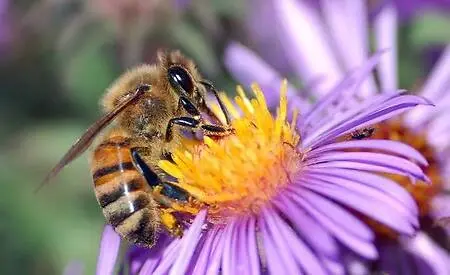
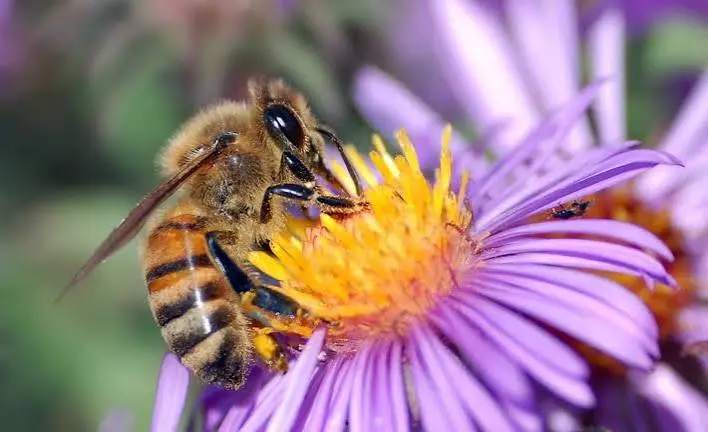
The hive was louder than my thoughts.
On a warm summer afternoon, thousands of honeybees moved with purpose around me. For a few moments, the emails, deadlines, social media notifications, and stresses of everyday life simply disappeared. As I watched workers return to the hive carrying pollen and nectar, I became fully absorbed in the rhythm of the colony. There was no room for distraction. No lingering worries about tomorrow. No replaying yesterday's concerns.
There was only the hive.
It was in those moments that I began to understand why beekeeping is increasingly being explored as a tool for mental wellness.
When most people think of honeybees, they think of honey, pollination, or perhaps the occasional sting. Rarely do they think of healing. Yet a growing body of research, coupled with the lived experiences of veterans, first responders, and individuals struggling with mental health challenges, suggests that beekeeping may offer something much deeper: a pathway toward mindfulness, purpose, connection, and emotional recovery.
As a veteran advocate, healthcare education professional, doctoral student, and beekeeper, I became fascinated by the relationship between humans and honeybees. What began as a personal passion evolved into a research interest as I observed how tending bees seemed to create moments of calm, focus, and presence that are often difficult to achieve for individuals living with post-traumatic stress disorder (PTSD), anxiety, depression, and chronic stress.
More Than a Hobby
Mental health disorders affect millions of people worldwide, and veterans face particularly elevated risks of PTSD, depression, isolation, and suicide due to the unique challenges associated with military service and reintegration into civilian life. While counseling, medication, and evidence-based therapies remain essential components of treatment, researchers have increasingly begun exploring complementary approaches that address the whole person. Beekeeping is emerging as one of those approaches.
Unlike many recreational activities, beekeeping demands patience, attentiveness, and emotional regulation. Bees respond to sudden movements and environmental disruptions. To work safely around a colony, a beekeeper must slow down, remain calm, and become fully engaged in the present moment. The hive does not allow multitasking or distraction. In many ways, it teaches skills remarkably similar to those emphasized in mindfulness-based interventions.
What the Research Says
The scientific evidence supporting therapeutic beekeeping continues to grow.
One of the most compelling studies was published in 2024 in the Therapeutic Recreation Journal. Researchers Valerie Carter, Adam Ingrao, Jessie Bennett, and Christine Gould examined the impact of a Veterans Affairs recreational therapy program known as Healing Hives. Veterans participating in the program reported significant improvements in anxiety, depression, mobility, and overall perceptions of health and quality of life. The findings suggest that beekeeping may serve as an effective complementary intervention for supporting mental health recovery. [projects.sare.org], [js.sagamorepub.com]
Similarly, the Department of Veterans Affairs' HIVES (Honeybee Initiative for Veteran Empowerment and Support) program documented meaningful reductions in stress, anxiety, loneliness, and depressive symptoms among participants. By combining beekeeping activities with mindfulness practices, the program helped veterans cultivate coping skills, social connections, and renewed purpose. [vets2vets.us]
Additional research published in Frontiers in Psychology found that beekeeping promoted relaxation, personal growth, community connection, and a stronger sense of contribution to something larger than oneself. Participants frequently described feeling pride, fulfillment, and increased psychological well-being through their involvement with bees. [frontiersin.org]
The Antidote to a Hyperconnected World
Modern life has connected us in ways previous generations could never have imagined, yet many people report feeling more overwhelmed, isolated, and emotionally exhausted than ever before. Our days are increasingly spent moving between smartphones, computers, streaming platforms, and social media feeds. Work follows us home. News cycles never stop. Notifications constantly compete for our attention. While technology offers undeniable benefits, the human nervous system was never designed for continuous digital stimulation.
The hive offers something radically different.
Honeybees do not care about inboxes, algorithms, or breaking news alerts. They demand something increasingly rare in modern society: presence.
Standing in an apiary requires full engagement with the natural world. The beekeeper observes weather patterns, flowering cycles, bee behavior, and the intricate social structure of the colony. Rather than consuming endless information through a screen, attention shifts toward observation, patience, and purposeful action.
Researchers studying beekeeper well-being have found recurring themes of relaxation, connection with nature, personal growth, and enhanced life satisfaction. Many participants describe feeling calmer, more grounded, and more emotionally balanced after working with their bees. [frontiersin.org], [japitherapy.com]
Perhaps this is one of the most important lessons the bees have to offer. In a culture that often encourages us to move faster, consume more information, and remain constantly connected, bees remind us to slow down, pay attention, and reconnect with the present moment.
Before reading further, I want you to ask yourself a simple question:
When was the last time you were truly present?
Not scrolling through your phone while watching television. Not checking emails while spending time with family. Not mentally rehearsing tomorrow's responsibilities while trying to enjoy today.
When was the last time your attention was fully devoted to a single moment?
For many of us, the answer is difficult to remember.
Modern life pulls our attention in countless directions, often leaving us feeling exhausted, disconnected, and overwhelmed. The hive offers something different. It asks nothing more than your presence. In return, it provides an opportunity to rediscover stillness, focus, and a connection to something larger than yourself.
A Veteran Perspective
Throughout my work with veterans, I have repeatedly seen how difficult it can be to find moments of peace after trauma. Traditional mental health treatment remains critical and lifesaving, but healing often requires additional opportunities for connection, purpose, and self-discovery. For some veterans, the hive has become an unexpected source of all three.
Beekeeping creates structure without rigidity. It offers responsibility without overwhelming pressure. It provides community while simultaneously allowing for solitude and reflection. Most importantly, it gives individuals an opportunity to focus on something beyond their own struggles.
The bees need care. The colony depends on stewardship. In meeting those needs, many people discover a renewed sense of meaning within themselves.
Looking Ahead
As interest in holistic and integrative approaches to health continues to grow, beekeeping represents a promising area for future research and community-based programming. While bees are not a cure for PTSD, anxiety, depression, or other mental health challenges, the evidence increasingly suggests they may be valuable partners in the healing process. Research points to improvements in mindfulness, emotional well-being, social connection, and overall quality of life among participants engaged in therapeutic beekeeping programs (Carter et al., 2024; Burke & Corrigan, 2024).
Perhaps the greatest lesson bees teach us is not about honey production or pollination. It is about presence.
They remind us that healing often happens through small, consistent actions. A quiet moment outdoors. A deep breath. A connection with nature. A chance to focus on something larger than ourselves.
Before you move on to the next email, notification, meeting, or item on your never-ending to-do list, pause for a moment.
Take a deep breath.
Look around.
Notice where you are.
Notice who is beside you.
Notice this moment.
Because the truth is, this moment is your life.
The bees understand that. The question is: Do we?
References
Burke, J., & Corrigan, S. (2024). Bee Well: A positive psychological impact of a proenvironmental intervention on beekeepers' and their families' well-being. Frontiers in Psychology. [frontiersin.org]
Carter, V., Ingrao, A., Bennett, J. L., & Gould, C. (2024). Healing hives: Exploring the effects of beekeeping on veteran mental health and quality of life. Therapeutic Recreation Journal, 58(4), 413–422. [projects.sare.org], [js.sagamorepub.com]
Colomar, A. (2023). Beekeeping for mental health: Nurturing well-being through apiculture. Journal of Apitherapy.

Shelly Bishop Featured in Influential Women Shelly Bishop, Admissions Processor III at Nightingale College, has been featured in Influential Women, a professional media platform and print magazine that highlights women making meaningful contributions and advancements in their respective fields. Shelly Bishop is a higher education professional with more than 15 years of experience in student support, admissions, and…