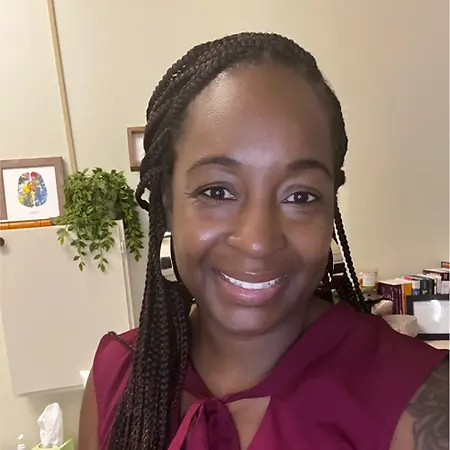
When others saw only impossibility, I recognized an opportunity to rebuild and help others. Focusing on progress, not pain, gave me the confidence to move forward.
Taneka McCoy, MS, CRC, LCMHC-S (ACS), LCAS-A, NCC, BC-TMH · In Her Own Words
Her Story
About Taneka
Taneka McCoy, MS, CRC, LCMHC-S (ACS), LCAS-A, NCC, BC-TMH is an accomplished mental health professional, educator, author, and entrepreneur whose work is centered on helping individuals heal, grow, and thrive. As the Founder, CEO, and Clinical Therapist of Transformation Collaborative Empowerment Services, PLLC, she provides trauma-informed counseling services to individuals, couples, and families while leading a growing team of mental health professionals. With specialized expertise in trauma recovery, clinical supervision, rehabilitation counseling, and behavioral health, Taneka is recognized for her commitment to delivering compassionate, evidence-based care that addresses the whole person rather than simply treating symptoms. Her credentials include Licensed Clinical Mental Health Counselor Supervisor, Certified Rehabilitation Counselor, National Certified Counselor, Board Certified TeleMental Health Provider, and Approved Clinical Supervisor.
Taneka’s journey into the counseling profession has been both personal and purposeful. She initially pursued a career in healthcare, working as a medical assistant and studying nursing before discovering her passion for Rehabilitation Studies during her undergraduate education. At the time, she was helping support her mother through a work-related injury, an experience that deepened her understanding of advocacy, recovery, and the human impact of life-altering challenges. After completing her undergraduate degree, she immediately pursued a master’s degree and realized her true calling was working directly with individuals in a therapeutic setting. Since entering the counseling field in 2016, she has dedicated her career to helping people navigate trauma, adversity, and personal transformation. In 2020, she founded her own mental health practice, where she now leads a team of clinicians and mentors emerging professionals pursuing licensure throughout North Carolina. Her dedication to trauma-informed care led her to complete advanced post-master’s training and specialized education in trauma, allowing her to help clients uncover and address the root causes of their challenges while fostering long-term healing and resilience.
In 2024, Taneka expanded her impact into higher education by joining the faculty of Winston-Salem State University as a Visiting Professor. In the classroom, she combines academic instruction with current, real-world clinical experience, providing students with practical insights into the realities of the counseling and healthcare professions. Her unique perspective as both an active practitioner and educator allows her to bridge theory and practice, preparing future professionals for meaningful and successful careers. Equally important to her professional work is her own personal healing journey, which has given her a profound appreciation for the courage required to seek support and embrace growth. Having experienced the transformative power of counseling firsthand, Taneka brings authenticity, empathy, and understanding to every aspect of her work, empowering both clients and colleagues to build healthier, more fulfilling lives.
Her Interview
Ten minutes with Taneka
01What do you attribute your success to?
I attribute my success to purpose, perseverance, and a commitment to continuous growth. My career path was not a traditional one, but each experience helped me discover my passion for counseling and supporting others through healing and personal transformation. By investing in ongoing education, embracing leadership opportunities, and remaining dedicated to serving both clients and emerging professionals, I have been able to grow as a clinician, educator, and business owner. Most importantly, my personal experiences have strengthened my empathy and resilience, allowing me to lead with authenticity, compassion, and purpose.
02What advice would you give to young women entering your industry?
For someone who wants to start their own practice, I would say to work for other organizations first and try different settings. I have had the pleasure of working in different professions and settings - I have done home counseling, school-based counseling, and more - so get a feel for all of the above. It is okay to delegate because we don't have to be the profession of everything. There is so much that is entailed in running a practice, and it was a very big learning curve for myself when it came to things that I am not the professional at. Our program did not include business management, so learning those aspects - the credentialing, contracting, and so much more - can feel overwhelming. Get a mentor and work for other practices to learn prior to taking that leap, because you can feel defeated and not fulfill or pursue that dream. There are laws, ethics, and regulations, and it can get very heavy, so referring out and delegating is something that I have had to learn to do if it is something that is not my skill set. There are people out here whose profession it is to handle those things, and if we have the resources, just go ahead and get someone else to do it because it is more important to get it done. When you start a business, we oftentimes want to do everything - one, to probably save money, but also having that control piece - but just trusting people with your dream is sometimes the hard part. When I first started my practice, I was doing everything - I was trying to do my billing, just doing everything - and it is like not having days off, which can lead to burnout, and you are not being able to be your best self in all the areas because you are trying to do all of that and be a mother or wear other hats. Learning to delegate is sometimes hard when we are first starting out, because sometimes it is a matter of resources.
03What are the biggest challenges or opportunities in your field right now?
One of the biggest challenges in the mental health field is meeting the growing demand for quality care while navigating workforce shortages, clinician burnout, and evolving healthcare systems. At the same time, these challenges present significant opportunities to expand access to services, embrace innovative approaches such as telehealth, and strengthen the next generation of mental health professionals through education and mentorship. From my own experience transitioning from nursing and rehabilitation studies into counseling, building a private practice from the ground up, and balancing the responsibilities of both clinician and business owner, I have learned that adaptability, continuous learning, and strong leadership are essential to creating sustainable growth and meaningful impact in our profession.
04What values are most important to you in your work and personal life?
The values that guide both my professional and personal life are compassion, integrity, authenticity, and service. I believe that helping people receive the right support is more important than whether that support comes from me personally. If another provider is better positioned to meet a client's needs, I will gladly make that connection because my priority is ensuring they receive consistent, high-quality care. I also believe in treating the whole person rather than focusing solely on symptoms. My trauma-informed approach emphasizes understanding the root causes behind challenges and creating meaningful, lasting change. Additionally, my own healing journey has given me valuable perspective and empathy, allowing me to connect with clients in a genuine way and support them with understanding, respect, and compassion.
Join Influential Women and start making an impact. Register now.