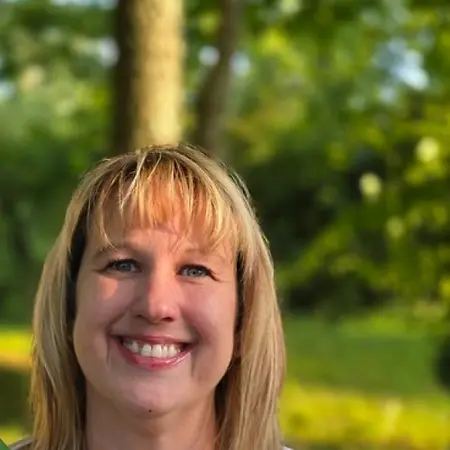
Her Story
About traci
I've wanted to be a nurse since I was a little girl playing with Barbies, and I volunteered at a hospital all through high school. My path to nursing wasn't straightforward - I came from poverty and had a child early in college, so I first completed an Associates of Arts degree just to have a college degree. I didn't actually become a nurse until I was almost in my 30s, but I kept working toward that goal. I started with my RN at a community college while taking care of a baby, then advanced to my BSN when nursing put out expectations for professionalism. I went on to complete my MSN in family practice nurse practitioner, and when I saw a deficit in psychiatric care within nursing homes, I was in the second class of psychiatric nurse practitioners with Ursuline College. Now I'm completing my doctorate at Ohio University, graduating in August or October, with a project bringing non-pharmacological care into nursing homes through a collaboration with the Cleveland Public Library. Throughout my career, I've always believed there's so much more to nursing than people realize - it's not just sitting at the bedside and handing out pills. I've influenced my staff and team as a leader, and I've impacted the patients I've cared for. My team at ViaQuest was the only team in the state that met their annual productivity goal every single week last year, which speaks to the culture, structure, and support I provide as a leader.
Her Interview
Ten minutes with traci
01What do you attribute your success to?
I think the first thing about being a leader is that it isn't always about yourself. We don't always receive recognition, and we don't need to hear 'you're doing a great job,' but we like to give it to other people. Supporting other people is a large part of who a leader is - making sure you can support them properly, provide good mentoring skills, and create a creative environment where people can succeed. I think bringing those qualities to the table, along with the skill sets and education I have, is important. Understanding that an employee might have other factors contributing to who they are and what they're doing, and not just taking something for granted - looking at the whole person and why they're doing it and talking to them. Having an open relationship with your employees is important in order to build relationships and have a team that's willing to come to you when you need it. I give my team the ability to have pride in their health and show pride in their work, and I try to give them the care they need to show that they can do it too and make a difference.
02What are the biggest challenges or opportunities in your field right now?
There's a lot of questioning about what the role of a nurse is and how nursing is going to proceed as a profession. There's a big difference in the financial aid that nurses can get, and there's questioning about whether nursing is a profession. There are going to be a lot of nurses who might not have the opportunity to become a nurse if there's a change in the classification of what the nurse profession is. I see myself in the future advocating for the role of the nurse, advocating to maintain the standards of care that a nurse can have. I'd like to continue to grow and develop in leadership roles that might advance the careers of nurse practitioners while maintaining the level of care we're providing and maintaining our status as a profession, and enabling people to see a nurse as a whole person. There's so much more to nursing than people realize - it's not just sitting at the bedside and handing out pills. There are so many more opportunities and roles that a nurse plays that people don't realize.
Join Influential Women and start making an impact. Register now.