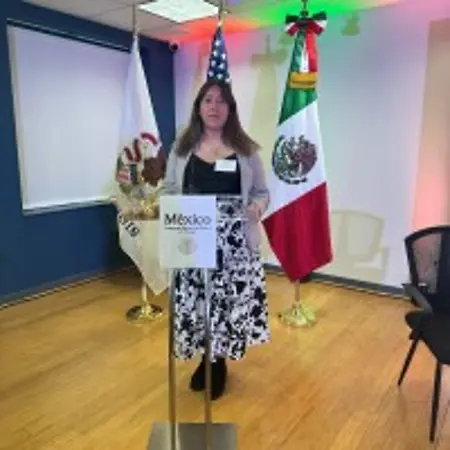
Her Story
About Wendy
I work at the Worker Justice Center of New York as a paralegal coordinator, where I focus on labor and employment issues, specifically issues that are prevalent in the immigrant and migrant community. In my role, I speak a lot with folks who call in, and it can range from farm workers to immigrants to migrant workers that are in various different fields. I've really delved into understanding how unique their situations are, because not many folks can experience the type of abuses that they do, such as being threatened that if you don't come to work, I'm going to call immigration. That's a real threat for them, which is why many folks are too scared to speak out, whether it be to a nonprofit like Worker Justice Center or even to the police if it involves an assault or some other kind of intimidation. I've learned a lot about the nonprofit sector and about labor and employment, including the human trafficking aspect of labor trafficking. Most folks understand and can immediately identify sex trafficking, but when you talk to them about labor trafficking, bringing over farm workers and taking away their passports, not paying them correctly, that's another form of trafficking that most folks aren't usually aware is actually happening day to day. I also do the U and T visas that accompany those kind of cases, because if someone is a victim of a crime, a felonious crime, or they're a victim of trafficking, they are eligible for immigration relief. My work flows into the rest of my community services that I do, like Porta Newberg with the family preparedness, and doing trainings through NYIC and through CCSM's network.
Her Interview
Ten minutes with Wendy
01What advice would you give to young women entering your industry?
They need to be able to say no when the time comes, because right now a lot of folks are very scared about what's happening, but they can't take on everything that comes their way because they will get burnt out. So we need to protect ourselves and be mindful with the activities and the jobs that we take on. I would also say to not lose hope if the first organization they apply to doesn't hire them or give them a message. They should not lose hope and just keep applying to places, because that's what happened with myself. I had applied, I think, to like 20 places before Worker Justice Center gave me that one chance, and I took it and took it right running. Four years later, you know, I'm the coordinator, I'm DOJ accredited, a notary, so it's just about not losing hope.
Join Influential Women and start making an impact. Register now.