Title IX and Pregnant and Parenting Students
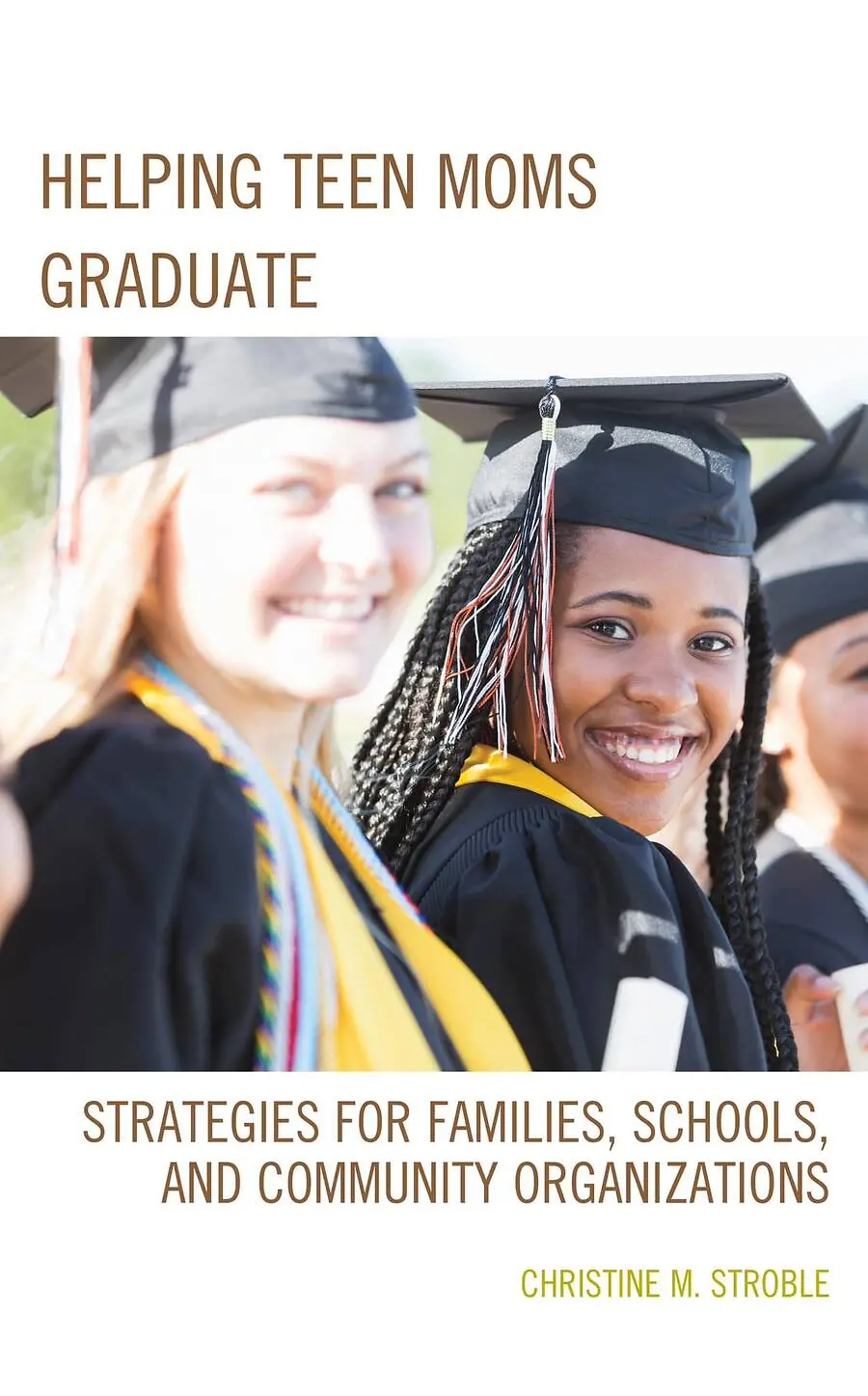
Helping Teen Moms Graduate: Strategies for Families, Schools, and Community Organizations

The television sitcom Reba, which premiered in the fall of 2001, both endeared and enraged families with one of its main storylines. That storyline revolved around the main character’s pregnant teenage daughter, Cheyenne. Cheyenne represented the typical popular teenage girl—cheerleader, loving and supportive parents, living in suburbia, dating the star football player, and sexually active without her parents’ knowledge.
When Cheyenne’s pregnancy became evident, the high school principal asked her to consider enrolling in a school for pregnant teenagers. The principal believed Cheyenne’s pregnancy set a negative precedent in the public high school she oversaw. That administrator’s attitude reflected a once-popular mantra: “You show, you go.”
To prevent such discrimination and protect the educational rights of pregnant or parenting students, Congress passed Title IX of the Education Amendments of 1972. Title IX prohibits federally funded educational institutions from discriminating against students or employees based on sex. I wrote Helping Teen Moms Graduate to provide families, schools, and community organizations with strategies to help more students earn their diplomas. One key strategy is the urgent and critical enforcement of Title IX.
What Is Title IX?
Title IX is a federal law that prohibits discrimination based on sex in educational programs. Any school that receives federal funding—from elementary through university levels—must provide fair and equal treatment in all areas, including athletics.
Title IX is best known for expanding opportunities for female athletes. Before its enactment, few opportunities existed for women in sports. The National Collegiate Athletic Association (NCAA), founded in 1906 to govern men’s football but later overseeing college athletics broadly, offered no scholarships for women and held no championships for women’s teams. Facilities, equipment, and funding were also lacking. As a result, in 1972, only 30,000 women participated in NCAA sports, compared to 170,000 men.
Title IX was designed to correct these imbalances. Although it did not mandate equal funding for women’s athletics, it required equal access and quality. Women’s and men’s programs had to devote equivalent resources to locker rooms, medical treatment, training, coaching, practice times, travel, equipment, tutoring, and recruitment. Scholarship money was to be allocated proportionally. For example, if 40 percent of athletic scholarships were awarded to men, 40 percent of the scholarship budget had to be earmarked for women.
Since Title IX’s enactment, women’s participation in sports has grown exponentially. In high school, the number of female athletes increased from 295,000 in 1972 to over 2.6 million today. In college, participation has grown from 30,000 to more than 150,000.
Title IX and Pregnant or Parenting Students
Title IX also protects the rights of female students who are pregnant or parenting. It prohibits discrimination based on sex—including pregnancy, parenting, and related conditions—in federally funded educational programs and activities. Students who might be, are, or have been pregnant have the right to the same access to school programs and educational opportunities as other students. These protections extend through the university level.
Before Title IX, pregnant and parenting students—much like the fictional Cheyenne—were often denied the right to an education. They were dismissed, expelled, or otherwise prevented from continuing school. Title.info, a resource explaining Title IX regulations, notes:
“What a waste of potential! If a teenager became pregnant, she usually lost her chance to get an education. Most schools expelled pregnant students and wouldn’t allow them to return if they chose to continue the pregnancy.”
Title IX made such discrimination illegal.
Little Progress
Yet more than 50 years after Title IX’s passage in 1972, the dropout rate for pregnant and parenting students remains around 50 percent. This is largely due to educational barriers that push these students out of school, even though such actions violate federal law.
Helping Teen Moms Graduate: Strategies for Families, Schools, and Community Organizations, which received the Nautilus Book Award (Silver Winner, 2024) and the PenCraft Book Award (Literary Excellence Runner-up, 2023), is a vital resource for families, schools, and community organizations supporting pregnant and parenting students as they strive to complete their education.
Christine M. Stroble, Author
Helping Teen Moms Graduate: Strategies for Families, Schools, and Community Organizations