Beyond the Canvas: How Artwork Influences Emotions and Communities
Exploring the many dimensions of creative expression and its profound impact on individuals and society.
Understanding artistic expression
Artistic expression is one of the ways we communicate with the world around us. It doesn't have a single definition as different people will have different ideas as to what art is. For some it's painting or drawing, for others it's music, photography, writing, dance, digital design etc.
All forms of art have the potential to say something, even if that something isn't immediately apparent to the viewer. A lot of artists will draw on their own experiences, their environment, their imagination or their observations of the world. The message of a piece of art may be very clear to the artist and yet completely different to the viewer.
That's not necessarily a bad thing as art can be a catalyst for independent thought and the development of one's own point of view. Art doesn't have to be about being perfect, about impressing people or about technical ability. It can simply be about being original, being imaginative and expressing something that is important to you.
To understand artistic expression, you have to appreciate that it can manifest in so many different ways and that its value isn't necessarily going to be judged by how others perceive it.
Art as an emotional outlet
Art can be a way of expressing emotions that you might otherwise find it very difficult to put into words in a normal conversation. We all go through all sorts of feelings in our lives, from the happy to the sad, the frustrated to the lonely, the excited to the hopeful. There will be times when you simply can't find the right words to describe what you're feeling.
Art can provide an alternative way of expressing those feelings. Whether it's painting, writing, drawing, playing an instrument or whatever the art form may be, it can be a way of going through your feelings and reflecting on them. It can be a very relaxing thing to do and can give a real sense of achievement, particularly at times when you're under pressure or going through a difficult period.
For some people the act of making the art is the important thing rather than the end product or whether anyone else sees it. A piece of art can be a representation of a particular memory, a particular experience, a particular challenge or a particular stage in life. It doesn't necessarily get rid of the difficult emotions, it may just be a way of exploring and understanding them.
You don't have to share every piece of art you make as some of it will be purely for your own personal enjoyment. Art can be a reminder that there are all sorts of ways of expressing your feelings and that creativity can be a very valid way of going through your own personal journey.
How artwork influences viewers
Artwork of any kind at all can have an effect on people which goes far beyond the mere act of looking at something which is creative. A painting, a photograph, a sculpture or whatever the art may be can prompt the viewer to think about their own experiences, their own emotions, their own beliefs and their own memories.
The same piece of art can be interpreted in a completely different way by different people as each person will bring their own perspective to what they're seeing. The colors, the shapes, the symbols, the expressions, the textures and the various techniques employed in the art will all have an effect on how the viewer interprets the piece.
Some art will obviously evoke a feeling of happiness, comfort, admiration, curiosity or sadness and some will be more likely to provoke thought and challenge the viewer to consider things in a different light. Art can also open up people's minds to experiences, cultures, histories and ways of life which they may otherwise have no access to.
An artist may have a particular message in mind when they create a piece of work but the viewer may well come to a very different conclusion as to what that message is. The art may in fact lead to a discussion about a subject which would otherwise be very difficult to talk about. The effect of art is not necessarily going to be that the viewer agrees with the artist's intentions or interpretation.
The power of art is that it can have a lasting effect as the meaning of the piece can continue to change as the viewer goes through life.
Art as a hobby versus a profession
Art can be pursued as a personal hobby, a professional career, or a combination of both depending on an individual's interests and goals. Some people create artwork primarily because they enjoy the process and find it personally rewarding. Others dedicate significant time, effort, education, and resources to developing artistic skills and earning a living through their creations.
Pursuing art as a hobby may provide greater flexibility because individuals can explore ideas without necessarily worrying about deadlines, financial expectations, or customer demands. Professional artists, however, may have to balance their creative interests with business responsibilities, client expectations, marketing, pricing, and other career-related obligations.
Turning a passion into a profession can be fulfilling, but it may also introduce pressures that were not present when art was simply an enjoyable activity. This does not mean that professional artists lose their appreciation for creativity or that hobbyists are any less committed to their interests. Both approaches can require patience, practice, imagination, dedication, and a willingness to learn.
The value of artistic expression should not depend exclusively on whether someone earns money, receives recognition, or establishes a professional reputation. Art can be meaningful whether it becomes a career, remains a hobby, or simply serves as an occasional creative activity.
The economic and professional value of art
Art isn't just about self-expression. It's a big part of the economy, too. This world isn't limited to painters and sculptors; it includes photographers, graphic designers, illustrators, animators, musicians, interior designers, and plenty of other creative folks.
People make money in more ways than you might expect. For example, selling their original pieces, taking commissions, showing work in exhibitions, licensing their designs, teaching, crafting ads, or even offering digital products and services.
Art spills over into lots of industries. Think entertainment, tourism, marketing, education, retail, and all kinds of cultural events. Places like galleries, museums, festivals, theaters, studios, and creative companies give artists a place to shine and help communities thrive.
But let's be honest, making a living in art takes more than talent. Artists have to juggle business stuff, handle their finances, network, talk to clients, and put their work out there. How much they earn really depends. Some build successful businesses; others mix their creative gigs with regular jobs to pay the bills.
Still, despite the tough parts, pursuing art professionally opens up meaningful opportunities. It shows that creativity and innovation aren't just for museums or studios, but they also drive entire industries and shape communities. When we recognize art's economic and professional impact, it's clear that creativity matters not just culturally, but in real, practical ways.
Art's influence across generations
Art brings generations together. It does more than just decorate walls, it carries stories, traditions, and memories across time. When you look at a painting from centuries ago, you catch a glimpse of the world through someone else's eyes. You see what mattered to them, what they believed in, how they lived.
The same goes for music, literature, old photographs, or even the buildings that line ancient streets. These creative snapshots help us remember where we came from and shape the stories we pass along.
Art doesn't just stick to age-old routines, either. It's something living, always shifting and picking up new influences. Families, communities, and teachers share their favorite songs, painting styles, or dance moves, keeping traditions alive while adding their own twist. While old-school techniques still inspire modern artists, every new generation finds fresh ways to play, experiment, and push the limits.
With technology, creativity's gone wild. There's digital art, photo manipulation, wild animation, and videos everywhere you look. These new styles don't shove traditional art aside; they show how boundless creativity can be.
Not everyone agrees on what makes art "good" or "meaningful." Honestly, that's part of the fun. Different tastes spark conversations, get us thinking, and open us up to other perspectives. Exploring art from different ages, whether it's caveman drawings or bold street murals, shows us how people have changed, how cultures have shifted, and what's stayed the same.
In the end, art holds generations together. It lets us honor the past and keep pushing toward the future, always searching for new ways to say what matters most.
Making creativity accessible
Creativity shouldn't be reserved for the select few who have money, fancy degrees, or a portfolio full of masterpieces. Honestly, anyone should get the chance to explore art, no matter their background or skill level. Too often, people hold back, thinking they aren't "good enough" or their work won't measure up. That's a shame.
You don't need pricey supplies or years of training to get started. Grab some recycled materials, dig up a notebook, or mess around with free tools online. Whatever's within reach works just fine. There's always something happening in schools, libraries, and local programs if you look for it, and the internet is packed with resources. The trick is just getting involved.
What really helps is encouragement. Even a bit of constructive feedback can boost someone's confidence enough to try something new. And if mistakes happen? Good. That's how you learn. When you're just starting out, it's so important to know that messing up isn't the end of the world.
Accessibility isn't just about money or supplies, either. It's about understanding that everyone comes with their own abilities, needs, and circumstances. Nobody should feel like they have to be a prodigy or live up to someone else's standards before creating.
The more welcoming we make art, the more people jump in. That means more discovery, more confidence, and a bigger appreciation for all the wild, wonderful ways people express themselves.
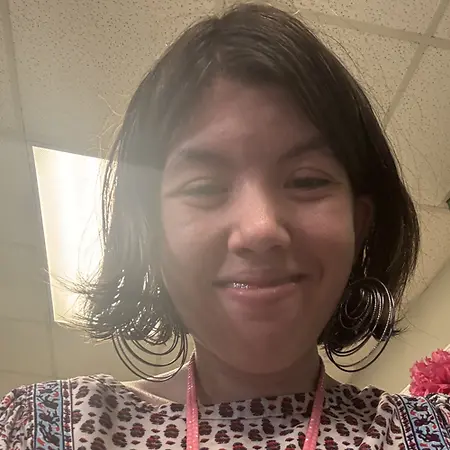
Taite Ranker is a sophomore at Piedmont University pursuing a B.S. in Accounting with a Criminal Justice minor. She aspires to become a forensic accountant specializing in fraud investigations and financial crime analysis. An academic achiever in top 10% of her class, Taite is active in honor societies and serves as a student success center assistant. She has secured an internship opportunity in Gainesville,…