Black Women in Faculty Positions: Navigating Adversity, Bias, and Toxic Work Environments While Protecting Mental Health
Navigating Excellence, Bias, and Resilience: Supporting Mental Health and Wellness for Black Women in Academia and Leadership

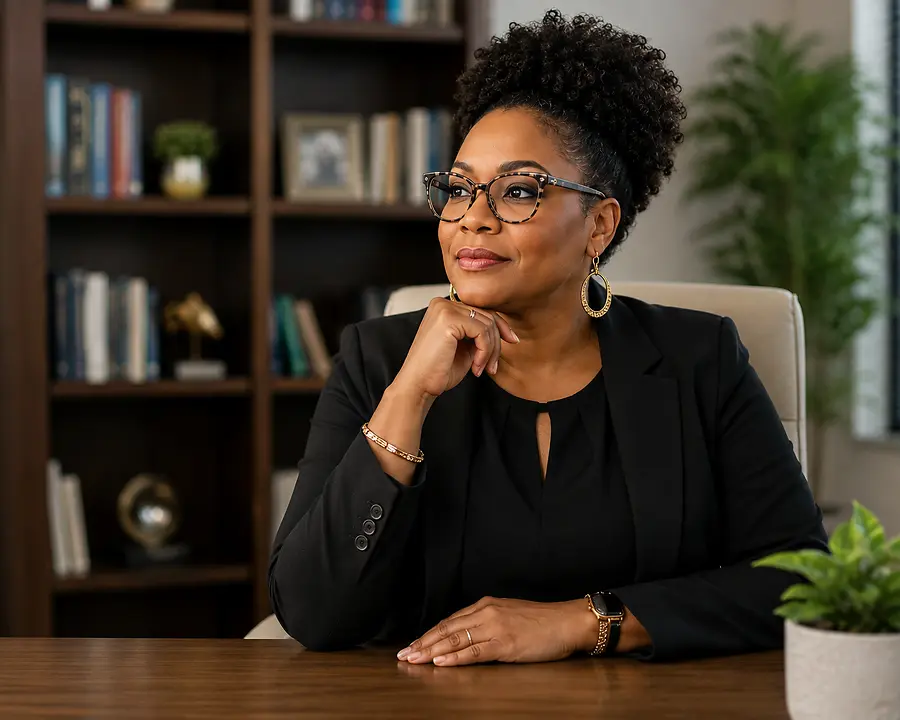
Black women in faculty and leadership positions often carry the weight of excellence, representation, advocacy, and resilience simultaneously. In higher education and professional settings, many Black women are expected to perform at exceptionally high levels while also navigating environments that may include bias, inequitable treatment, lack of support, exclusion, microaggressions, and toxic workplace dynamics. Despite significant contributions to education, healthcare, research, mentorship, and leadership, Black women frequently encounter barriers that impact both professional advancement and mental well-being.
The Reality of Bias and Toxic Work Environments
For many Black women in academia and faculty roles, workplace challenges extend beyond ordinary job stress. These experiences may include being overlooked for leadership opportunities, excessive scrutiny, unequal workloads, dismissal of expertise, lack of mentorship, lower course evaluations, or being expected to carry diversity and emotional labor responsibilities without adequate recognition or compensation.
Toxic work environments can also manifest through:
- Workplace bullying or intimidation
- Constant criticism or undermining
- Isolation and exclusion from decision-making
- Disproportionate disciplinary scrutiny
- Lack of institutional support
- Emotional exhaustion from having to constantly “prove” competence
- Stereotyping Black women as “aggressive” or “difficult” when advocating for themselves
Over time, these experiences can contribute to burnout, anxiety, depression, imposter syndrome, chronic stress, and emotional fatigue. Many Black women find themselves balancing professional responsibilities while simultaneously protecting their peace, identity, and self-worth in environments that may not always feel psychologically safe.
The Pressure of Representation
Black women in faculty positions are often among the few—or the only—individuals who look like them within leadership or academic spaces. This creates additional pressure to represent entire communities while mentoring students, serving on committees, participating in diversity initiatives, and maintaining high professional standards.
While representation matters deeply, the burden of carrying institutional diversity efforts alone can become emotionally draining. Many Black women are expected to advocate for inclusion while also enduring the very inequities they are working to address.
Protecting Mental Health and Emotional Wellness
Maintaining mental health in challenging professional environments requires intentional boundaries, support systems, and self-preservation strategies. Black women in academia and leadership positions must recognize that protecting their mental wellness is not weakness—it is survival and sustainability.
Some important strategies include:
1. Establish Healthy Boundaries
Boundaries are essential in toxic or emotionally demanding environments. Learning when to say no, limiting overcommitment, and protecting personal time can reduce burnout and emotional exhaustion.
2. Seek Mentorship and Safe Communities
Finding mentors, affinity groups, professional organizations, and supportive colleagues can create spaces of validation, encouragement, and shared understanding. Community support reminds Black women that they are not navigating these experiences alone.
3. Prioritize Therapy and Mental Health Support
Professional counseling, therapy, coaching, or wellness practices can provide healthy coping strategies and emotional processing tools. Mental health care should be normalized and prioritized, especially for individuals working in high-stress environments.
4. Document Experiences Professionally
Maintaining professional documentation of workplace concerns, communications, and incidents can help protect professional integrity and provide clarity when navigating difficult workplace situations.
5. Avoid Internalizing Toxic Narratives
Many toxic environments attempt to make individuals question their competence or worth. Black women must remember that advocating for fairness, professionalism, and respect does not make them “difficult.” Confidence and boundaries should not be mistaken for aggression.
6. Invest in Personal Fulfillment Outside of Work
Purpose outside of professional identity is critical. Hobbies, faith, family, entrepreneurship, travel, wellness, creativity, and community engagement can help create balance and restore emotional energy.
Creating Change in Academic and Professional Spaces
Institutions must also acknowledge their responsibility in addressing workplace toxicity and inequity. Diversity initiatives alone are not enough without accountability, psychological safety, equitable leadership opportunities, mentorship pathways, and intentional support systems for faculty of color.
Black women deserve environments where they can thrive—not simply survive.
Final Thoughts
Despite adversity, Black women continue to lead, educate, innovate, mentor, advocate, and inspire at extraordinary levels. Their resilience should be honored, but resilience should not be the requirement for basic respect and equitable treatment.
Protecting mental health, setting boundaries, seeking support, and recognizing personal value are all necessary parts of sustaining long-term success. Black women in faculty and leadership positions deserve peace, support, opportunity, and workplaces that value not only their labor, but also their humanity.
Thriving is possible—even in the face of adversity—and every Black woman deserves the opportunity to lead and succeed without sacrificing her mental health in the process.


