Breaking Barriers: Addressing Unemployment Among Adults with Disabilities Through Opportunity and Inclusion
How ThelmaLou Creations and Empowered Prints Are Breaking Down Employment Barriers for Adults with Disabilities

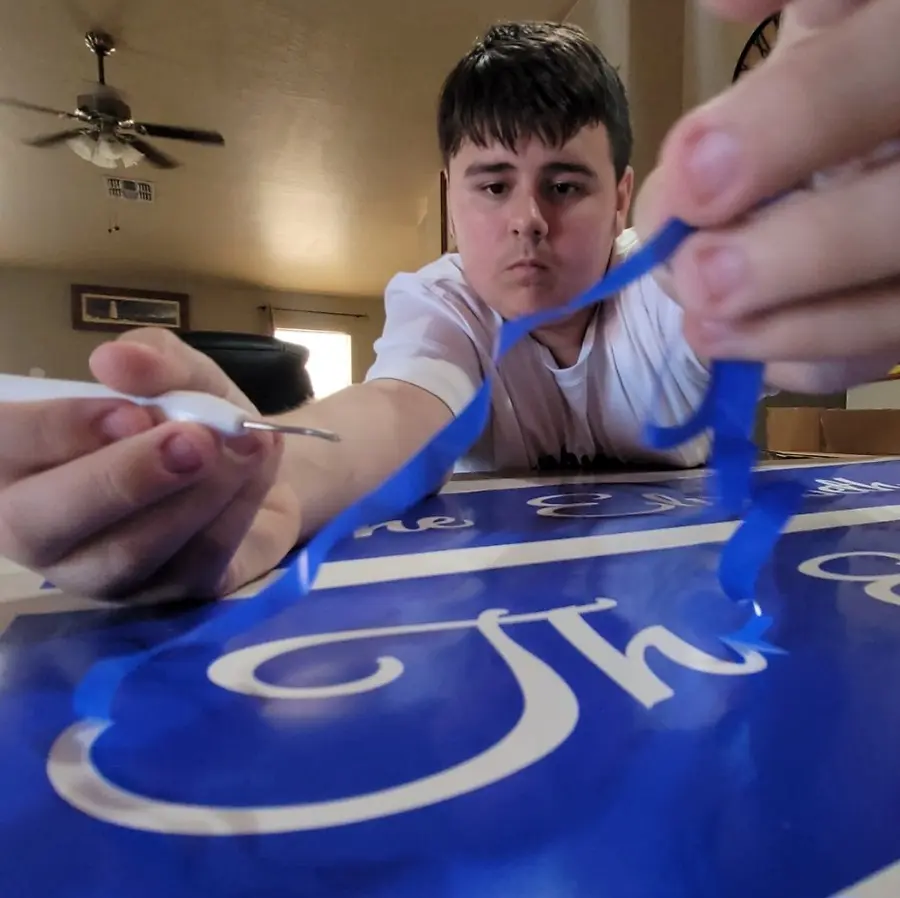
Across the United States, adults with disabilities continue to face significant barriers to employment despite years of progress toward workplace inclusion. While companies and communities have become more aware of accessibility and accommodations, the unemployment gap between people with and without disabilities remains alarmingly high.
According to the U.S. Bureau of Labor Statistics, the unemployment rate for people with disabilities rose to 8.3% in 2025, more than double the 4.1% unemployment rate for individuals without disabilities. In addition, according to Disability Employment Statistics, labor force participation among adults with disabilities continues to lag far behind that of the general population, meaning millions of capable individuals are still being left out of meaningful employment opportunities.
These numbers represent far more than statistics. They represent talented individuals who want to work, contribute, learn skills, gain independence, and feel valued, but who are too often overlooked by traditional employers. Many adults with disabilities face obstacles such as limited job training opportunities, lack of workplace accommodations, transportation challenges, and employers who underestimate their abilities.
For families, especially parents of children and adults with special needs, these realities can feel overwhelming. Many parents spend years wondering what adulthood will look like for their child once school services end. Questions about independence, employment, and social inclusion become very real concerns. That is exactly why ThelmaLou Creations, LLC and Empowered Prints were created.
Founded by two best friends with a passion for helping others, ThelmaLou Creations, LLC began as a small custom apparel and promotional products business. But for co-founder Kerrie Mallory-Thompson, the mission became deeply personal as a single autism mother determined to create opportunities not only for her son, Conor, but for others like him.
What started as a creative business evolved into something much larger: a job skills and workforce development program focused on empowering adults with disabilities through meaningful, hands-on employment experience.
Through Empowered Prints, participants are given opportunities to learn real-world vocational skills, including:
- apparel production
- packaging and fulfillment
- laser engraving
- printing and design
- customer service
- inventory management
- teamwork and communication
More importantly, participants are given confidence, purpose, and a sense of belonging.
Programs like Empowered Prints help challenge outdated assumptions about disability employment. Adults with disabilities are capable, hardworking, creative, and eager to contribute when given the proper support and opportunity. Inclusive workplaces do not just benefit employees with disabilities; they strengthen businesses, communities, and workplace culture as a whole.
Studies continue to show that inclusive employment environments often experience stronger employee loyalty, improved morale, and diverse perspectives that fuel innovation. Yet many businesses still hesitate to hire individuals with disabilities because of misconceptions or concerns about accommodations. In reality, many accommodations are simple, low-cost, or even free.
ThelmaLou Creations, LLC and Empowered Prints are determined to be part of the solution. Every product created, every custom order completed, and every new skill taught represents another step toward breaking down employment barriers for adults with disabilities.
The mission is not simply about printing shirts or creating promotional products. It is about creating futures. It is about proving that disability does not diminish talent, value, creativity, or potential. Most importantly, it is about ensuring that more adults with disabilities have the opportunity to thrive—not just survive—in the workforce and within their communities.