Do You Have Ovary Pain?
Understanding the causes, characteristics, and natural relief methods for ovulation-related discomfort.

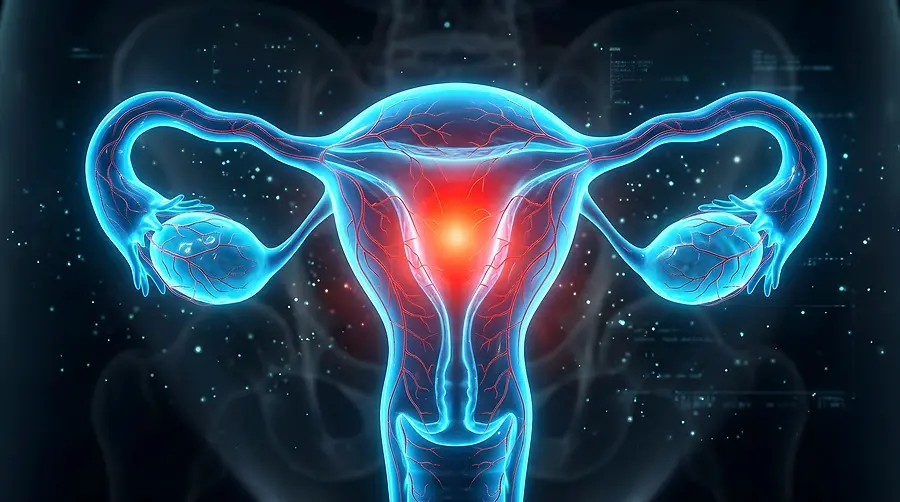
Definition of Intermenstrual Pain or “Mittelschmerz”
Intermenstrual pain, or “Mittelschmerz,” refers to pelvic or abdominal pain that some women experience in the middle of their menstrual cycle, typically around ovulation.
The German term Mittelschmerz literally means “pain in the middle of the cycle.”
Causes of Intermenstrual Pain
Intermenstrual pain occurs when an egg is released from one of the ovaries during ovulation. During this process, the ovarian follicle ruptures to release the egg, which can cause a small amount of bleeding and irritation to nearby tissues. This can trigger intermenstrual pain.
Additionally, the release of the egg may cause mild contractions or spasms in the ovary’s muscles, contributing to the discomfort.
It is important to note that intermenstrual pain is generally not a serious medical condition and is not typically associated with conditions such as endometriosis or ovarian cysts.
Characteristics of Intermenstrual Pain
- Sharp and/or stabbing pain
- Felt on one side of the abdomen
- May alternate sides during different cycles, depending on which ovary releases the egg
Duration of Intermenstrual Pain
Intermenstrual pain generally lasts for a few hours, although in some cases it can persist for two or three days. The duration varies from woman to woman and from one cycle to another. It is common for the pain to reach its peak intensity during ovulation and then gradually decrease over time.
Natural Treatments to Relieve Intermenstrual Pain
- Applying heat to the abdominal area or taking a warm bath
- Massaging the abdominal area using circular motions. Relaxing essential oils, such as lavender, may enhance the soothing effects of the massage.
- Practicing relaxation techniques such as deep breathing, yoga, or meditation
- Herbal remedies: Some herbs and medicinal plants may help relieve pain. For example, ginger, chamomile, and mint have anti-inflammatory and analgesic properties that may be beneficial. Consult a healthcare professional before using any herbal remedy.
- Natural supplements: Certain supplements, such as vitamin E and magnesium, may help reduce inflammation and relieve menstrual pain. However, it is important to consult a doctor before beginning any supplementation.
Conclusion
Intermenstrual pain, or “Mittelschmerz,” is a common discomfort experienced by many women during ovulation. Although it can be uncomfortable, it is generally not a cause for concern. However, if the pain is severe, lasts for an extended period, or is accompanied by other concerning symptoms, medical attention should be sought.
If you regularly experience intermenstrual pain, you may wish to try some of the natural remedies mentioned above for relief. Keep in mind that every woman is different, and what works for one person may not work for another. It is always advisable to consult a healthcare professional for an accurate diagnosis and personalized treatment plan.
It is estimated that 1 in 4 women experience intermenstrual pain at some point in their lives. Have you ever experienced it?


