Education Beyond Buzzwords
Why Curriculum Data and Policy Matters

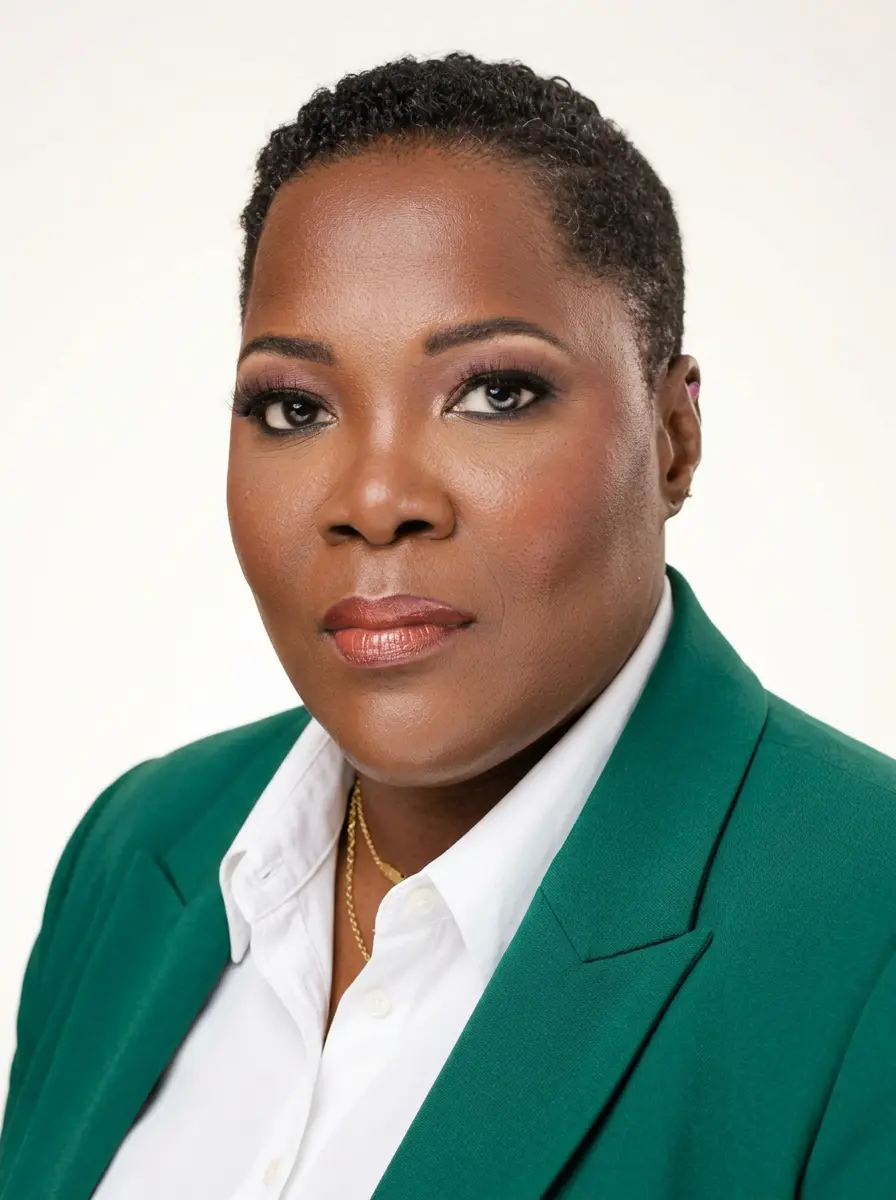
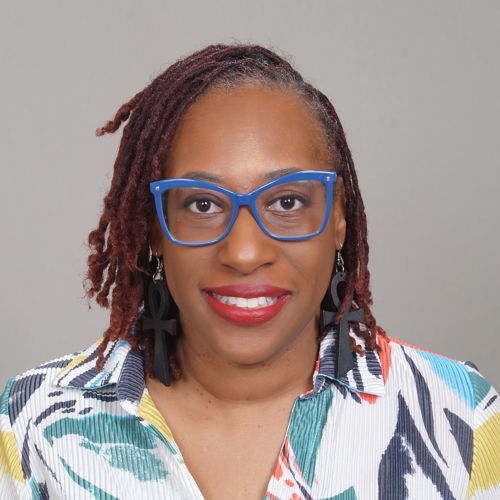
The etymology of education comes from the Latin educere, meaning "to draw out." I have learned from parents and scholars over the years just as much as I have taught. I have sat at the feet of some phenomenal educational leaders and learned invaluable lessons. I have had the distinct honor and privilege of serving in nearly every aspect of the education sector—except as Minister of Education and in the cafeteria. And yes, I even spent a week in the nurse's office. I cherish the remarkable experiences that have been brilliantly woven into the fabric of my life and legacy as an educator by choice.
Many systemic challenges in education must be addressed. Serious, intentional, and dedicated educational leaders can help mitigate these challenges. In this new chapter of my educational leadership journey, I hope to be one powerful resource among many in addressing the lack of conceptual understanding surrounding curriculum, the misuse of data, and the absence of sound educational policies.
Curriculum, data, and policy have become educational buzzwords. They are present in nearly every politician's speech and every educational administrator's talking points. Yet the issues surrounding curriculum, data utilization, and policy are evident in failing school districts, exhausted teachers, and unprepared scholars.
Curriculum, Instruction, and Assessment
Very few education stakeholders understand that curriculum, instruction, and assessment (CIA) are not linear. They are cyclical, dynamic, and living entities.
Curriculum is the lifeblood of meaningful learning. It is not a document that is completed and then left untouched. Curriculum informs the instructional process—and that is exactly what it is: a process. Teaching and learning are ongoing experiences for scholars and teachers alike. Professional development, training, and support should be priorities because educators need support.
Assessment is not simply about collecting data. Assessments should generate data that inform curriculum decisions and instructional best practices. The data derived from assessments should not serve as the final judgment of any scholar, school, or educational system.
The Misuse of Data
As a proponent of data utilization in education, I fully understand why some people do not support a strong emphasis on data. Often, it stems from misunderstandings and a lack of conceptual clarity.
Data are information. Quantitative measures, such as percentages of students meeting standards, provide one perspective. Qualitative information—such as how scholars feel about their teachers and learning environments—is equally important and can meaningfully inform curriculum and policy development.
The issue is not the existence of educational data; it is how that data are used.
Too often, data are misused—to marginalize some while benefiting others, to justify suffering rather than promote service.
The reality is this: if a curriculum states that students should learn their ABCs by a certain grade level and an entire class fails to do so, the problem is not automatically the students. The issue may lie with the instructor, the instruction, the curriculum, or some combination of the three.
The next step should be to pause, review the data, assess where the challenges exist, and be willing to make the necessary changes quickly, collaboratively, and transparently so that all stakeholders remain engaged.
We must be honest about the purpose and process of education. Is education designed merely to produce test scores, or is it meant to foster a lifetime of growth, development, and sustainability?
And how has this flawed process been allowed to continue?
In many cases, the answer lies in the absence of sound educational policies.
The Absence of Sound Educational Policies
Educational policies should ensure that every aspect of the educational process is designed to serve all scholars, regardless of their resources, race, or abilities.
Educational policies, too, must be dynamic. They should not be developed generically but informed by data, grounded in research, and responsive to the unique needs of each learning environment.
In my view, failing to establish sound educational policies constitutes educational abuse.
I coined the following phrase in my work related to educational policy:
"In the absence of sound educational policy, there is educational abuse and chaos. When the product is people, we must be accountable for the process."
In many spaces, the issue is not a lack of resources. Rather, it is a misunderstanding of the importance of curriculum and its integral role in instruction and assessment.
The nonuse, misuse, or underuse of data to make critical decisions in education has become the norm, contributing to persistent failure. School choice and additional resources may offer partial solutions, but they are not sufficient on their own.
Education Is Dynamic
Education is dynamic.
Over the past four decades, we have moved—as we should have—from rows of desks to collaborative small-group learning. We have evolved from chalk-and-talk instruction to extraordinary technological advancements. We have expanded from traditional settings to include school choice, homeschooling, and hybrid learning environments. These are all credible, necessary, and valuable developments.
For me, education is not simply the transfer of knowledge.
It is the foundation of a people's survival, dignity, and future.
As the great scholar Amos Wilson reminds us:
"Education is to secure the survival of a people. We must evaluate education by its fruits."
The fruits we seek are confident children, empowered communities, and a region where every young mind has the opportunity to thrive, innovate, and lead.
The resources beneath our soil will not determine the future of quality and sustainable educational systems. The knowledge within our children will.
When every child has equal access to transformative education, we do more than fulfill a global goal. We secure people's dignity, power, and destiny.
For me, education is advocacy.
It is a responsibility to future generations.
When education is just, inclusive, and liberating, it does more than inform minds—it transforms nations and the world.