Professional Presence Matters
Building Trust and Credibility Through Authentic Leadership and Genuine Care

When I was in high school, my mother was a nurse at the local hospital in our community, and she exemplified professional presence. She was authentic, kind, and at ease in any situation. When she passed away from breast cancer in 1975, there was standing room only at her funeral. Her impact on others reflected the trust, respect, and admiration she inspired throughout her life. She has been an inspiration to me for my entire life.
Professional Presence
Professional presence is the impression you create through your behavior, communication, and overall image. It helps others see you as capable, trustworthy, and ready for greater responsibility. First impressions do matter, and your posture, body language, attitude, and communication style all influence how others perceive your credibility and potential. At its core, professional presence is about building trust. When we understand what presence is, why it matters, and how to strengthen it, we can show up with greater impact and allow our leadership abilities to stand out in every interaction.
One of the most important elements of professional presence is trustworthiness. People need to know that you are both capable and genuine. When they believe that, they are more likely to rely on your judgment and support your ideas. Authenticity also matters. Professional presence allows others to feel confident in you from the moment they meet you.
Building Trust
People want to be led by someone who demonstrates integrity, self-confidence, and authenticity. In my leadership roles at large institutions and in my consulting work, I repeatedly saw how staff responded to the presence of their leaders. When employees were unhappy with leadership, they often said the same thing: their manager did not listen, did not follow through, or did not do what they said they would do.
Staff must know that you mean what you say. Trustworthiness is built through honesty, consistency, and follow-through. When people believe they can count on you, they are far more willing to listen, collaborate, and support your ideas. At the same time, strong leaders recognize that staff ideas matter, too. Including employees in significant decisions helps them feel valued, heard, and connected to the team's success.
Capability is equally important. Your staff needs to know that you will meet expectations, fulfill responsibilities, and demonstrate the skills required for the role. I always made it a point to put on my scrubs at least once a week and work alongside my staff on the floor. People do not want to be evaluated by someone who cannot do the work they are being asked to assess.
Effective leaders are also caring. They show empathy, respect, and attention to detail. When staff members believe that you genuinely care about them and the situations they face, they are more likely to trust your intentions and feel comfortable working with you. Confidence is essential, but arrogance is not. Confidence paired with humility helps people feel at ease and strengthens your professional presence.
Credibility
Credibility is the foundation of professional presence because it shapes how others judge your reliability, competence, and integrity. To build credibility, stay current in your field and seek feedback from the people you lead. Speak clearly and with purpose. Come to meetings prepared, stay organized, and avoid cluttered presentations. Above all, act with integrity. Trust develops naturally when you follow through on commitments, treat others with respect, and handle difficult moments with calmness and honesty.
It is also important to recognize the efforts of your staff. People want to know that their work is seen and valued, not only during an annual evaluation but throughout the year.
Credentials Do Not Define You
I graduated from a college-based radiology program that was among the first to prepare technologists with an associate degree in radiology. By the time I retired, similar roles that I had held required a bachelor's or master's degree, and that evolution is understandable. Still, no matter how many credentials follow your name, they do not define who you are, and they do not automatically create the professional presence needed to lead an exceptional organization or department. Professional presence comes from how you carry yourself, how you treat others, and how consistently you earn their trust.
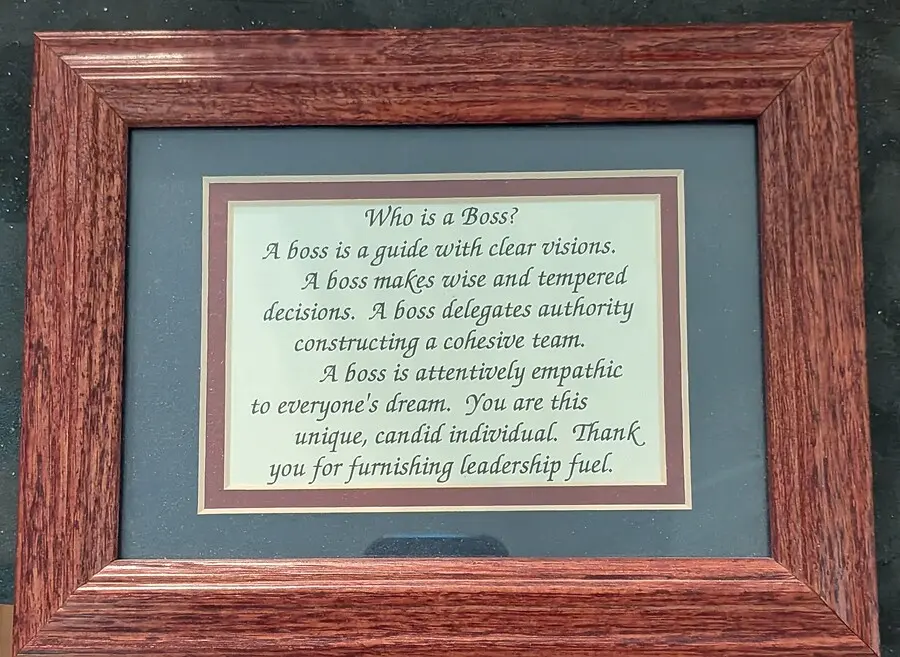
In the 1990s, I had the honor of leading an amazing group of technologists at MD Anderson Cancer Center. The picture associated with this article is a plaque they presented to me. The importance of caring about your staff, getting your hands dirty and working alongside them, mentoring them, including them, respecting them, and acknowledging their excellent work cannot be emphasized enough.
Always keep your leadership fuel tank full!


