The Leadership Advantage No One Talks About: Being Loved Well
How the Right Man Can Elevate Your Leadership and Magnificence

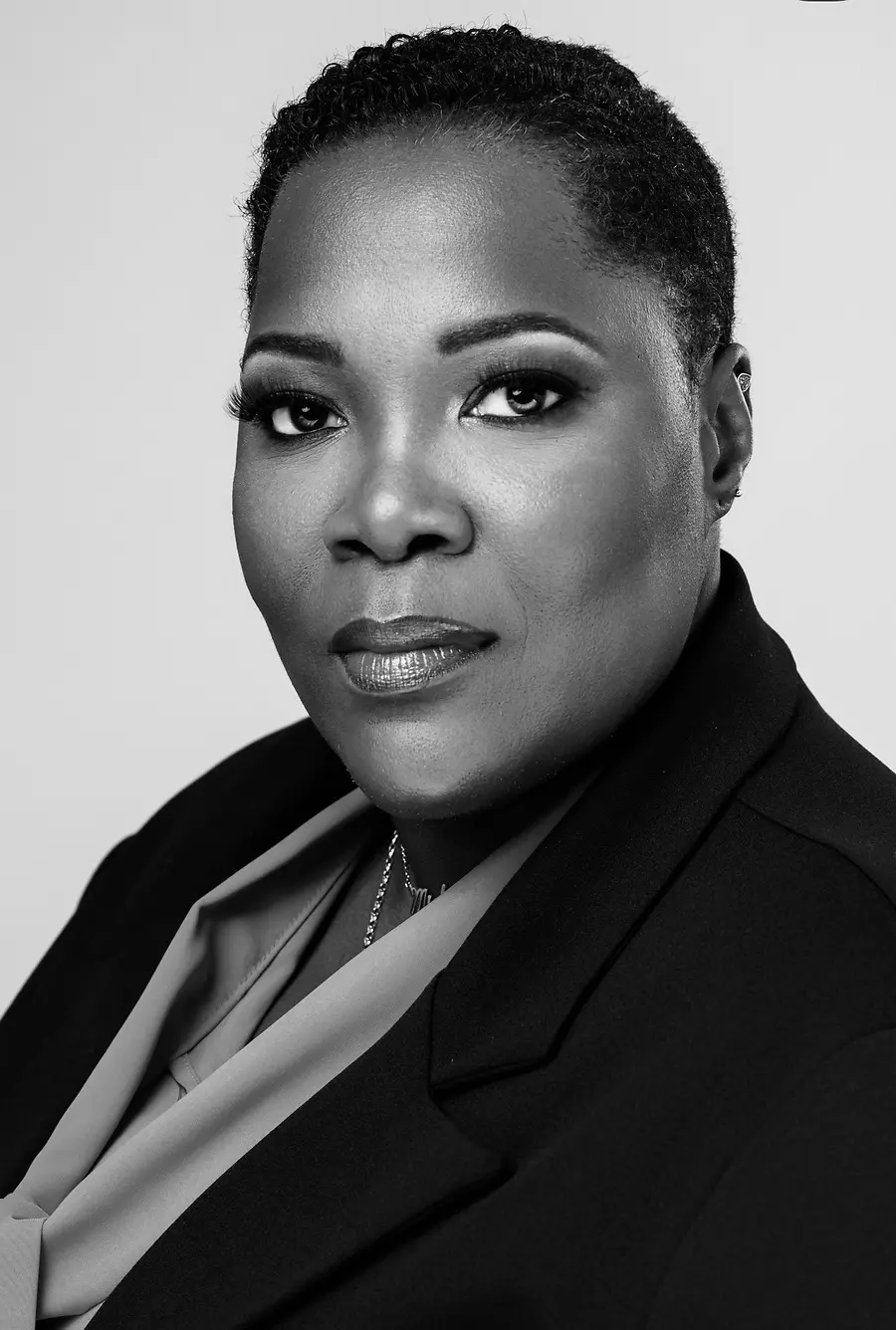
Come on, ladies, let's talk about men and how they can positively impact our leadership, shall we?
Have you ever been in love with the right brother while serving in a leadership role?
You know the feeling.
We dress a little better. We smile a little more. We show up with a little extra confidence. Are there challenges? Certainly—that's life. But a thoughtful text during the day, a random phone call, unexpected flowers, chocolate ice cream after a difficult meeting, or a home-cooked dinner after a long day can make all the difference.
We become leadership lambs in the arms of the people we love and leadership lions, knowing he will be in the audience on the night of the big event, looking fine and smiling proudly as we deliver the final product of what may have been a long and difficult process.
His presence doesn't do the work for us.
But his support helps carry us through.
The world often asks women to choose between leadership and love. My experience has been that the right man can make you better at both.
While healthy relationships take many forms, I am writing from my own experience as a woman who has loved and been loved by a man while leading.
Drawing upon psychologist Abraham Maslow's Hierarchy of Needs, human beings perform at their highest levels when their fundamental needs are met. While every individual is ultimately responsible for their own growth and development, healthy relationships can create an environment that supports that journey.
Let's have some fun with The MAGNIFICENCE™ Framework and Maslow's Hierarchy of Needs through the lens of M.A.N.
M – Mission Before Validation
At the highest level of Maslow's hierarchy is self-actualization—the desire to become all that one is capable of becoming.
The right man does not distract a woman from her mission in exchange for validation. Instead, he supports her growth, respects her calling, and encourages her pursuit of purpose. He understands that her leadership, vision, and contribution to the world are not threats to the relationship but assets to it.
A – Authenticity Without Apology
Maslow believed that self-actualized individuals embrace who they truly are.
The right man creates space for authenticity. He does not require performance, perfection, or pretense. He values honesty over image and encourages a woman to lead, love, and live as her genuine self.
When authenticity is welcomed, energy once spent proving oneself can be redirected toward creating impact.
N – Noble Self-Respect
Maslow identified esteem needs as essential to human flourishing. Respect, confidence, dignity, and self-worth are not luxuries; they are necessities.
The right man does not diminish a woman's esteem. He honors her boundaries, respects her standards, and supports her growth. He understands that healthy love strengthens self-respect rather than eroding it.
A woman who embraces Mission Before Validation, lives with Authenticity Without Apology, and maintains Noble Self-Respect is far more likely to reach the highest expression of her leadership, influence, and magnificence.
She is also more likely to recognize and attract a man who values those same qualities—or confidently choose to remain single rather than settle for less.
Over the years, I have heard young women say they were hesitant to pursue leadership opportunities, advanced degrees, or doctoral studies because they feared becoming "too educated" to find a husband.
Historically, there was some truth to that concern.
Today, however, the evidence tells a different story.
According to research from the Pew Research Center, college-educated women are now just as likely—or even more likely—to marry than women with less education. Research also suggests that college-educated women who marry tend to have among the most stable long-term marriages.
Perhaps the issue is not that educated women are less likely to find love.
Perhaps women who understand their worth are less likely to sacrifice their mission, authenticity, and self-respect in exchange for companionship.
I have been loved in leadership, and I love it.
Not because a man completed me.
Not because he validated my worth.
But because healthy love created an environment where purpose could flourish, authenticity could breathe, and self-respect remained intact.
When we strive for magnificence, we become better equipped to recognize magnificent men when they arrive—and confident enough to thrive if they never do.
What are your thoughts?