The Women Who Keep Everything Running While Falling Apart
Why the strongest women among us deserve our closest attention during Suicide Prevention Awareness Month.

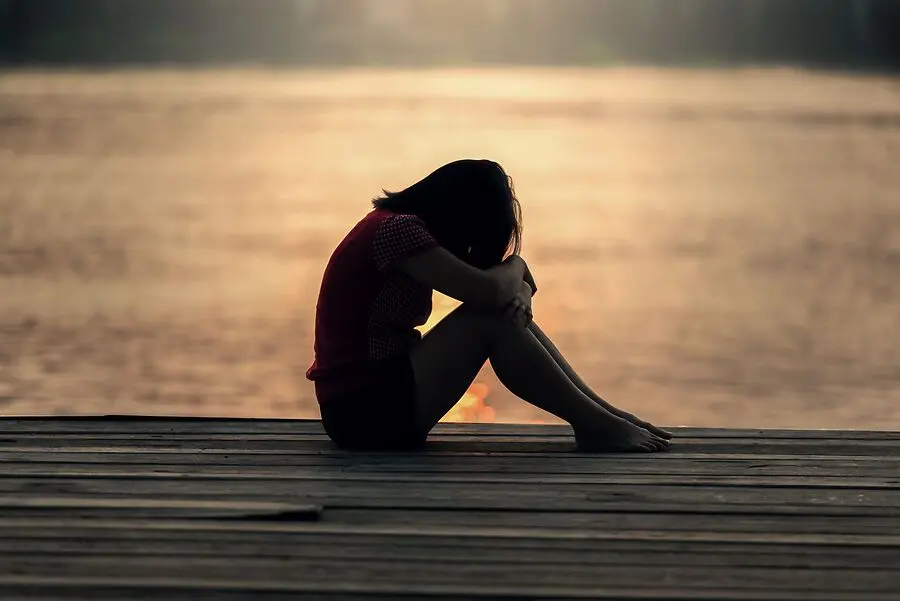
There is a particular kind of woman we praise constantly.
She handles everything.
She remembers the appointment. She finishes the presentation. She checks on everyone else.
She knows when the school form is due, when the client needs a response, when her mother has an appointment, when the groceries are running low, and somehow where the missing charger is.
At work, she is dependable. At home, she is needed.
People describe her as strong. Capable. Resilient. The one who always figures it out.
And sometimes she is.
But sometimes the woman everyone relies on is also the woman nobody thinks to check on.
That is one of the reasons I wanted to write about Suicide Prevention Awareness Month before September ends.
Not because women are the only people affected by suicide. They are not.
Not because women die by suicide at the highest rates. They do not. In the United States, men continue to die by suicide at nearly four times the rate of women. In 2024, however, 9,847 women still died by suicide. That is nearly ten thousand women whose lives ended in a way public-health experts continue to tell us is preventable.
And perhaps one of the conversations we need to have about women specifically is this:
We are very good at confusing a woman's ability to function with evidence that she is okay.
They are not the same thing.
Strength Can Become Camouflage
There is no single way a person in serious emotional distress looks.
SAMHSA lists warning signs that can include hopelessness, feeling like a burden, withdrawal, changes in sleep, increased alcohol or drug use, agitation, reckless behavior, extreme mood changes, or talking about unbearable pain. Risk can increase when those behaviors are new, worsening, or connected to a painful event, loss, or major change.
But human beings do not organize themselves into neat public-health checklists.
Someone can be struggling and still show up.
- She may answer the email.
- She may take her child to school.
- She may put makeup on.
- She may laugh at lunch.
- She may lead the meeting.
- She may ask how you are doing.
Mental illness does not automatically remove someone's ability to perform.
And that matters because our culture rewards women for functioning.
We praise the mother who "does it all." We admire the employee who never drops the ball. We compliment women for being selfless, dependable, low-maintenance, organized, nurturing, endlessly available.
Then we are surprised when the woman who seemed to be managing everything tells us she was barely managing herself.
Perhaps the question should not always be:
"How is she getting so much done?"
Sometimes it should be:
"What is it costing her to keep getting all of this done?"
Women Experience a Substantial Mental-Health Burden
Globally, depression affects women more often than men. The World Health Organization estimates depression is about 1.5 times more common among women, and more than 10% of pregnant women and women who have recently given birth experience depression.
That does not mean depression automatically leads to suicide. Suicide is complex, and the CDC is explicit that it is rarely caused by one circumstance. Risk can involve combinations of mental illness, chronic pain, financial stress, job problems, trauma, violence, relationship conflict, isolation, barriers to health care, and other individual, relationship, community, and societal factors.
That complexity is important.
Because we sometimes talk about suicide as though there must be one dramatic explanation.
- One breakup.
- One job loss.
- One diagnosis.
- One terrible day.
Human suffering is rarely that tidy.
Sometimes it is cumulative.
- Caregiving.
- Financial strain.
- A difficult relationship.
- Chronic pain.
- Work pressure.
- Sleep deprivation.
- Grief.
- A health condition.
- Isolation.
- Parenting.
- A workplace that expects constant availability.
- The persistent feeling that everyone needs something from you while you no longer know how to say, "I need something too."
None of those circumstances alone tells us that someone is suicidal.
But the larger lesson matters:
People live inside systems. Mental health does too.
We Should Talk About the Women Who Carry Everyone Else
Caregiving deserves a much bigger place in conversations about women's mental health.
Women continue to perform a disproportionate share of caregiving around the world, both professionally and unpaid.
The World Health Organization has noted that informal caregivers experience higher rates of mental-health problems than non-caregivers, and that women frequently provide more intensive care while simultaneously balancing paid employment and childcare.
There is an emotional consequence to continually being positioned as the person who notices everyone else's needs first.
- Who checks on the caregiver?
- Who asks the mother what she needs without immediately handing her another task?
- Who notices when the dependable employee starts withdrawing?
- Who tells the woman who has built her entire identity around being capable that needing help does not cancel out capability?
We should be careful not to romanticize resilience.
Resilience is valuable.
But resilience should not become society's polite way of saying:
"You seem able to survive an unreasonable amount, so we're going to continue giving you an unreasonable amount."
There is a difference between helping people become resilient and building environments that require endless resilience just to remain functional.
Workplaces Are Part of Suicide Prevention
Mental health is not something employees magically leave in the parking lot.
The World Health Organization estimates that about 15% of working-age adults live with a mental disorder at any given time. Depression and anxiety contribute to an estimated 12 billion lost working days globally each year.
But productivity is not the most important reason employers should care.
People spend enormous portions of their lives at work. Coworkers notice changes. Managers see patterns. Teams create connection - or isolation.
Employment can provide purpose, financial stability, social relationships, and belonging. Poorly managed work can also contribute to stress through excessive hours, insecurity, bullying, low pay, or unhealthy organizational practices.
The CDC explicitly identifies workplaces as an important setting for suicide prevention. Businesses can reduce job strain, make mental-health resources accessible, train managers to recognize warning signs, and create cultures where seeking help is not quietly treated as professional weakness.
That last piece matters enormously.
A company can offer an Employee Assistance Program. Wonderful. But if employees believe using mental-health resources will make leadership question their reliability, the benefit exists primarily on paper.
A company can tell employees to prioritize well-being. But if the person who logs off at 5:00 is perceived as less committed than the person answering Slack at 10:47 p.m., employees understand the real policy.
Culture is what people learn from consequences. Not posters.
"Let Me Know If You Need Anything" Is Not Always Enough
We often mean well when someone is struggling.
"Let me know if you need anything."
It is kind.
It is also a surprisingly difficult sentence for an overwhelmed person to act on.
Because now the person who is already struggling has another assignment:
- Identify the need.
- Decide whether it is reasonable.
- Work up the courage to ask.
- Choose the right person.
- Explain the situation.
- Hope she is not burdening anyone.
Sometimes support needs to be more specific.
- "I can take dinner over Thursday."
- "I can cover that meeting."
- "I can take the kids for two hours."
- "I noticed you haven't seemed like yourself. Do you want to talk?"
- "I don't need you to make this sound okay for me."
- "I can sit here with you."
Connection matters.
The CDC identifies feeling connected to other people and having support from family, friends, partners, and communities as protective factors associated with lower suicide risk.
SAMHSA made connection a central theme of this year's Suicide Prevention Awareness Month for the same reason: prevention begins long before a crisis becomes visible.
Sometimes prevention looks clinical. Sometimes it looks like treatment. Sometimes it looks like crisis intervention. And sometimes it begins with another human being noticing.
We Need to Stop Making Women Earn the Right to Struggle
There is another cultural habit worth challenging.
We sometimes evaluate whether someone's suffering is sufficiently justified.
- But she has a good job.
- But she has children who love her.
- But she just got promoted.
- But her marriage looks fine.
- But she always seems happy.
- But she has so much to be grateful for.
- Gratitude and suffering can exist in the same person.
- Success and depression can exist in the same person.
- Love and despair can exist in the same person.
- Competence and crisis can exist in the same person.
A person does not have to produce evidence convincing enough for everyone around her before she deserves support.
Pain is not a courtroom.
The Numbers Are Improving. The Work Is Not Finished.
There is encouraging news.
New CDC data released this September show the U.S. suicide rate declined from 2023 to 2024. Among women 25 and older, rates decreased across every age group measured.
We should acknowledge progress when it happens.
But 48,824 people still died by suicide in the United States in 2024. An estimated 14.3 million adults seriously thought about suicide. Millions more planned or attempted suicide.
Progress cannot become permission to stop paying attention.
The lesson should be the opposite:
- Prevention works.
- Connection matters.
- Treatment matters.
- Access matters.
- Workplace culture matters.
- Healthcare matters.
- Asking the uncomfortable question matters.
- And listening to the answer matters.
Strong Women Deserve Somewhere to Put the Weight Down
I keep returning to the language we use around women.
Strong. Independent. Resilient. Selfless. She can handle it. She always does.
Those words sound like compliments. Sometimes they are. But occasionally they become cages.
Because once everyone knows you as the strong one, it becomes remarkably difficult to admit that you are tired of being strong.
Maybe one of the most meaningful things we can do for women is stop requiring visible collapse before we believe they need care.
- Check on the woman who missed the meeting. But also check on the woman who ran it.
- Check on the mother who says she is overwhelmed. But also check on the one insisting she has everything under control.
- Check on the friend who disappeared. But also the one who keeps showing up for everyone else.
Do not assume someone's calendar tells you anything about her internal life. Do not assume productivity equals wellness. Do not assume a smile means there is nothing underneath it.
And perhaps most importantly, do not wait until someone is obviously drowning before deciding she deserves a hand.
September is Suicide Prevention Awareness Month.
But the point of awareness cannot simply be recognizing people when they are already in crisis.
It has to include creating families, workplaces, healthcare systems, friendships, and communities where people are allowed to say:
"I am not okay."
Before they have to prove it.
And maybe one of the most important things we can tell the strong women in our lives is something they probably do not hear nearly enough:
You do not have to fall apart before we help you carry it.
Resource Note: If you or someone you know in the United States is experiencing emotional distress or a suicidal crisis, call or text 988 to reach the Suicide & Crisis Lifeline. Support is available 24/7.