What can you learn in 500 miles?
A transformative pilgrimage across Spain that teaches lessons about love, resilience, and living fully in the present moment.

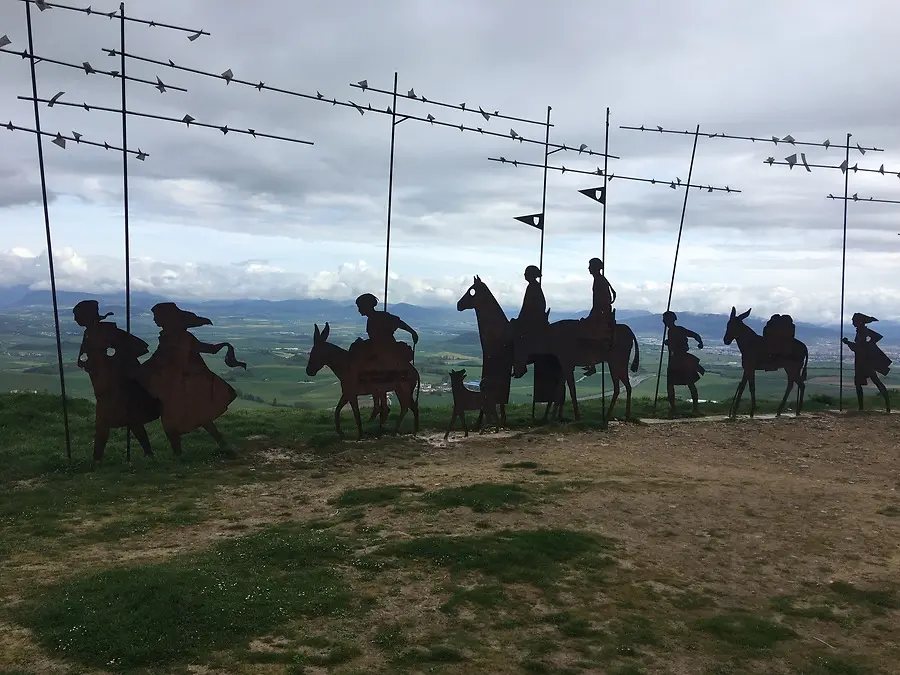
WHAT CAN YOU LEARN IN 500 MILES?
In 2018, I spent six weeks walking the Camino de Santiago, and it was a life-changing experience. This journey fostered emotional connections with people from all over the world, served as a therapeutic opportunity to live in the moment, and offered so much more.
The Camino is a network of pilgrimages leading to the shrine of the apostle Saint James in the cathedral of Santiago de Compostela, in Galicia, northwestern Spain. For centuries, it has attracted millions of pilgrims, each walking for their own reasons—spiritual, physical, or emotional healing. The purpose of my journey was not just the physical challenge, but also an opportunity to mend my broken heart, feel emotionally free, and share this experience with my love. It was a chance to step out of my comfort zone, feel free in nature, and remain open to whatever gifts the day might bring. The gentle crunch of gravel underfoot sounded louder than usual in the peaceful silence of early morning.
Each morning, as I began my walk along a segment of the Camino, it felt like seeing the world with fresh eyes. The natural beauty of the route, with its rolling hills and endless sky, never failed to inspire. I passed other pilgrims, exchanging greetings of “Buen Camino,” a Spanish phrase meaning “good path” or “good road.” I met friends who became my Camino family, found the perfect cup of espresso in a small café in the woods, stopped to admire the beauty of a 12th-century bridge or a 13th-century church, watched someone selling fresh fruit along the road, paused to pet a wild horse in the mist of the Pyrenees, and sat quietly beneath sprawling trees on a sunny Sunday, listening to church bells from the next town. The daily act of walking—placing one step after another along paths traveled by so many before me—became a ritual that connected me to the landscape and its history.
But the Camino also presented unique challenges. There were moments of frustration, confusion, and fatigue—sore, blistered feet; aches and pains; exhaustion; and finding yourself at the end of the day with nowhere to stay. There were steep climbs and difficult descents, gravel, mud, and rain. Yet somehow, it always worked out—either through sheer determination or with the help of a fellow pilgrim. Whatever the solution, it felt like a great accomplishment, and I was proud to have had that opportunity. It empowered me.
Along the path, I marveled at the architectural splendor of ancient churches and the serene beauty of the Spanish countryside. I learned to appreciate the small things I might otherwise overlook: a large tree in the morning mist, a field of yellow canna glowing in the Rioja afternoon sun, or a gently flowing river beneath a bridge in Puente la Reina.
Reaching the cathedral of Santiago de Compostela was an emotional climax. Standing before the imposing façade among a crowd of fellow pilgrims, I felt a deep connection—not only to my Camino self, but also to the thousands who had traveled the same path, each carrying their own burdens and hopes. In that sacred space, it wasn’t about ending a journey, but about celebrating the experience and continuing to move forward.
The lessons I learned on the Camino went far beyond my expectations. It emphasized the importance of love and patience, the strength to face challenges that push us beyond our comfort zones, and the value of making every moment count.
This experience also deepened my passion for supporting people living with dementia. It reinforced my understanding that every situation presents different challenges and opportunities. It is up to us how we respond to those challenges and how we carry those opportunities forward.
So let’s embrace our connections, live in the moment, and remain open. Let’s face the situations that take us beyond our comfort zones. Let’s prioritize learning, growing, and continuing to share meaningful experiences with our loved ones. No matter where someone is in their journey, we can walk with them, cherish each moment with them, and keep moving forward.
Deborah


