What Seven Foster Placements Taught Me About the Need for Systemic Change
Reimagining Foster Care Placement: How Technology and Collaboration Can Transform Child Welfare Systems

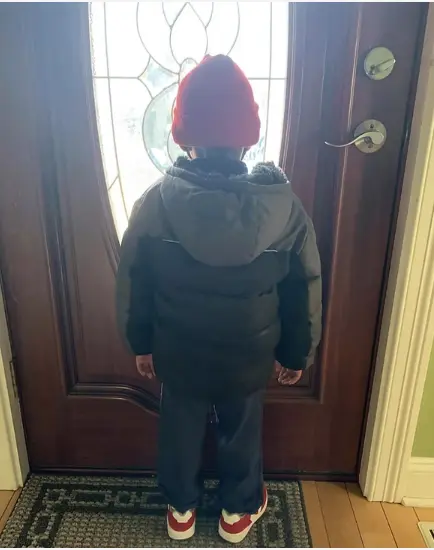
When a child is removed from their home and brought into protective custody by the state, one of the most important decisions that will shape their future is where they will call home.
Yet throughout my journey as a foster parent, adoptive parent, guardian, and child welfare advocate, I have repeatedly witnessed placement decisions being made through fragmented phone calls, text messages, emails, and social media posts because there was no better way to quickly identify available foster caregivers.
This is happening throughout our country, and it should be alarming to anyone who cares about the future of our most vulnerable youth.
The last seven children in foster care who came to live with me did so because I responded to Facebook posts in various foster parent support groups of which I have been a part for years. While I live each day with the realities and responsibilities that resulted from those decisions, it breaks my heart to think about what this practice may be doing to children.
Seven children came into my home because I happened to see a Facebook post and said "yes." While I am grateful that I was able to help, I have often wondered how many other children and families might have experienced less trauma, better matches, and greater stability if the system had better tools to connect them with the families best equipped to meet their needs when they needed it most.
I also cannot help but think about how I recently ordered a month's worth of dog food with just a few clicks of a button. From my phone, I could identify the closest store, compare ingredients, select the quantity I needed, and read reviews from other customers.
These experiences have fueled my passion for improving the experiences of youth and families involved in child welfare. They are also why I am confident that a different system for placing youth in foster homes is not only possible but essential if we hope to avoid re-traumatizing children, their families, and foster parents throughout our nation.
My interest is rooted not only in my personal experiences caring for children impacted by foster care but also in my professional work supporting large-scale transformation efforts within government and child welfare systems. As an organizational change management and process improvement professional, I have spent my career helping organizations improve processes, implement technology, and design solutions that better serve the people who depend on them.
Over the past year, I have been leading an effort to develop a stakeholder-informed solution designed to improve how youth are connected with foster families. This effort has been shaped by extensive feedback from foster parents, biological parents, relative caregivers, youth with lived experience, CASA volunteers, child welfare professionals, nonprofit organizations, and community partners.
My goal is not simply to introduce new technology. It is to address longstanding challenges that contribute to placement instability, generational trauma, caregiver turnover, and staff burnout at a time when people across political party lines recognize the urgent need to improve safety and outcomes for children in our country.
This effort is also being guided by a national stakeholder survey that I have been conducting to better understand the experiences of those involved in child welfare and to ensure that any future solution is built by the people it is intended to serve. I strongly believe that those closest to the challenges are often closest to the solutions.
What I have learned through both lived experience and professional practice is that meaningful change happens when caregivers, youth, families, practitioners, policymakers, and community organizations come together to design solutions collaboratively. I am committed to building those bridges and helping create practical improvements that strengthen families and improve outcomes for youth throughout our country.
I can only hope that you will join me in whatever way you can.
Learn More
Stakeholder Survey
National Child Welfare Stakeholder Survey
Public Speaking, Advocacy, and Child Welfare Initiatives